
Murphy's Law
Charles Bronson plays Jack Murphy a veteran police detective who is framed for the murder of his ex-wife. Although taken into custody, Murphy escapes from the police station handcuffed to a foul-mouthed car thief. Pursued by the police, Murphy must find the real killer before it is too late.
Working with a modest budget of $6.0M, the film achieved a respectable showing with $9.9M in global revenue (+66% profit margin).


Plot Structure
Story beats plotted across runtime


Narrative Arc
Emotional journey through the story's key moments
Story Circle
Blueprint 15-beat structure
Arcplot Score Breakdown
Weighted: Precision (70%) + Arc (15%) + Theme (15%)
Murphy's Law (1986) showcases meticulously timed plot construction, characteristic of J. Lee Thompson's storytelling approach. This structural analysis examines how the film's 15-point plot structure maps to proven narrative frameworks across 1 hour and 40 minutes. With an Arcplot score of 7.2, the film balances conventional beats with creative variation.
Characters
Cast & narrative archetypes
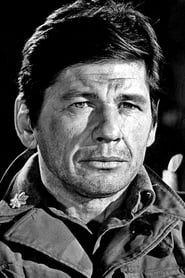
Jack Murphy

Arabella McGee
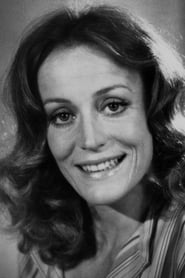
Joan Freeman
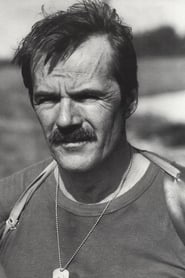
Ben Wilcove
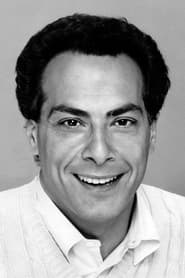
Art Penney
Main Cast & Characters
Jack Murphy
Played by Charles Bronson
A tough, cynical LAPD detective framed for murder who must clear his name while handcuffed to an unwilling accomplice.
Arabella McGee
Played by Kathleen Wilhoite
A resourceful car thief handcuffed to Murphy, initially antagonistic but becomes his reluctant ally.
Joan Freeman
Played by Carrie Snodgress
Murphy's manipulative ex-wife seeking revenge, a psychotic killer framing him for serial murders.
Ben Wilcove
Played by Robert F. Lyons
Murphy's police partner and friend who provides support during the investigation.
Art Penney
Played by Richard Romanus
A detective colleague who initially suspects Murphy of the crimes.
Structural Analysis
The Status Quo at 1 minutes (1% through the runtime) establishes Jack Murphy, a cynical LAPD detective, operates in his familiar world of crime and moral ambiguity. His life is rough but stable, defined by his job and his weariness with the criminal underworld.. Significantly, this early placement immediately immerses viewers in the story world.
The inciting incident occurs at 12 minutes when Murphy's ex-wife is murdered, and evidence is planted to frame him. Joan Freeman, a psychopathic killer from Murphy's past, has begun her revenge plot, destroying his life and making him the prime suspect.. At 12% through the film, this Disruption aligns precisely with traditional story structure. This beat shifts the emotional landscape, launching the protagonist into the central conflict.
The First Threshold at 25 minutes marks the transition into Act II, occurring at 25% of the runtime. This shows the protagonist's commitment to Murphy is handcuffed to Arabella and forced to go on the run from both the police and Freeman. He actively chooses to escape rather than surrender, entering the mirror world of being a fugitive instead of a cop., moving from reaction to action.
At 50 minutes, the Midpoint arrives at 50% of the runtime—precisely centered, creating perfect narrative symmetry. The analysis reveals that this crucial beat Murphy and Arabella gain a significant lead on Freeman's identity and location, appearing to turn the tables. This false victory raises stakes as they believe they're close to clearing Murphy's name, but Freeman is always one step ahead., fundamentally raising what's at risk. The emotional intensity shifts, dividing the narrative into clear before-and-after phases.
The Collapse moment at 75 minutes (75% through) represents the emotional nadir. Here, Freeman captures Arabella or another ally dies, delivering Murphy his darkest moment. Everything he's tried has failed. The system he served has abandoned him, and his methods haven't worked. The "whiff of death" shows Murphy he might lose everything., demonstrates the protagonist at their lowest point. This beat's placement in the final quarter sets up the climactic reversal.
The Second Threshold at 80 minutes initiates the final act resolution at 80% of the runtime. Murphy synthesizes his detective skills with the street-smart survival lessons Arabella taught him. He discovers Freeman's location or weakness, gaining clarity about how to end this. He chooses to face her on his terms, not the system's., demonstrating the transformation achieved throughout the journey.
Emotional Journey
Murphy's Law's emotional architecture traces a deliberate progression across 15 carefully calibrated beats.
Narrative Framework
This structural analysis employs systematic plot point analysis that identifies crucial turning points. By mapping Murphy's Law against these established plot points, we can identify how J. Lee Thompson utilizes or subverts traditional narrative conventions. The plot point approach reveals not only adherence to structural principles but also creative choices that distinguish Murphy's Law within the action genre.
J. Lee Thompson's Structural Approach
Among the 13 J. Lee Thompson films analyzed on Arcplot, the average structural score is 7.1, reflecting strong command of classical structure. Murphy's Law represents one of the director's most structurally precise works. For comparative analysis, explore the complete J. Lee Thompson filmography.
Comparative Analysis
Additional action films include The Bad Guys, Puss in Boots and Venom: The Last Dance. For more J. Lee Thompson analyses, see The Greek Tycoon, Happy Birthday to Me and Battle for the Planet of the Apes.
Plot Points by Act
Act I
SetupStatus Quo
Jack Murphy, a cynical LAPD detective, operates in his familiar world of crime and moral ambiguity. His life is rough but stable, defined by his job and his weariness with the criminal underworld.
Theme
A character references Murphy's Law itself: "Anything that can go wrong, will go wrong." This establishes the thematic core about chaos, inevitability, and survival when systems fail.
Worldbuilding
Murphy's world is established: a hardened detective dealing with Los Angeles crime, a failed marriage, tensions with colleagues, and his brutal but effective methods. His ex-wife and strained professional relationships show a man isolated by his work.
Disruption
Murphy's ex-wife is murdered, and evidence is planted to frame him. Joan Freeman, a psychopathic killer from Murphy's past, has begun her revenge plot, destroying his life and making him the prime suspect.
Resistance
Murphy resists being taken down, tries to prove his innocence through official channels, and debates whether to run or fight. He encounters Arabella McGee, a street-smart car thief who will become an unlikely ally.
Act II
ConfrontationFirst Threshold
Murphy is handcuffed to Arabella and forced to go on the run from both the police and Freeman. He actively chooses to escape rather than surrender, entering the mirror world of being a fugitive instead of a cop.
Mirror World
Arabella McGee becomes Murphy's thematic mirror. While he's a by-the-book cop who's lost faith, she's a street criminal with survival instincts and unexpected loyalty. Their forced partnership will teach Murphy to adapt and trust.
Premise
The "fun and games" of a cop-and-criminal handcuffed together: Murphy and Arabella bicker, escape various threats, and reluctantly work together. Murphy investigates Freeman while handcuffed to someone who challenges his worldview at every turn.
Midpoint
Murphy and Arabella gain a significant lead on Freeman's identity and location, appearing to turn the tables. This false victory raises stakes as they believe they're close to clearing Murphy's name, but Freeman is always one step ahead.
Opposition
Freeman escalates her attacks, targeting anyone who helps Murphy. The police close in. Murphy's attempts to prove his innocence fail repeatedly. His flaws—rigidity, isolation, inability to trust—make everything harder. Arabella's life is also now in danger.
Collapse
Freeman captures Arabella or another ally dies, delivering Murphy his darkest moment. Everything he's tried has failed. The system he served has abandoned him, and his methods haven't worked. The "whiff of death" shows Murphy he might lose everything.
Crisis
Murphy processes the loss and his failure. In his dark night, he must confront what Arabella and this ordeal have taught him: survival requires adaptation, trust, and letting go of the rigid rules that defined his old life.
Act III
ResolutionSecond Threshold
Murphy synthesizes his detective skills with the street-smart survival lessons Arabella taught him. He discovers Freeman's location or weakness, gaining clarity about how to end this. He chooses to face her on his terms, not the system's.
Synthesis
The finale showdown with Freeman. Murphy uses both his cop training and his newfound adaptability to outmaneuver her. He saves Arabella (if captured) or avenges the fallen. The confrontation resolves both the external threat and his internal transformation.
Transformation
Murphy, vindicated and transformed, shows he's no longer the isolated, rigid cop from the opening. His relationship with Arabella reflects mutual respect. He's learned that survival and justice require flexibility, trust, and human connection.