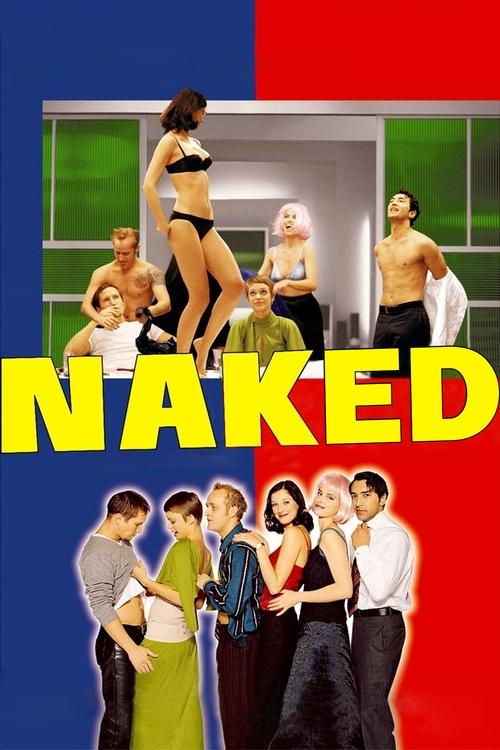
Naked
The story of three couples, one of which just broke up, one that seems to be about to, and one perfectly okay. They are all friends, and from time to time, they gather to talk about everything. One time, they gather for dinner at the second couple's "mansion“— the husband became rich with his business. We see each couple as they prepare themselves for the party and learn a lot about their relationships. At the dinner, they get to talking about recognizing each other's peer with closed eyes and decide to try it, naked.
The film earned $5.7M at the global box office.
Plot Structure
Story beats plotted across runtime


Narrative Arc
Emotional journey through the story's key moments
Story Circle
Blueprint 15-beat structure
Arcplot Score Breakdown
Weighted: Precision (70%) + Arc (15%) + Theme (15%)
Naked (2002) reveals carefully calibrated narrative architecture, characteristic of Doris Dörrie's storytelling approach. This structural analysis examines how the film's 15-point plot structure maps to proven narrative frameworks across 1 hour and 40 minutes. With an Arcplot score of 6.7, the film balances conventional beats with creative variation.
Structural Analysis
The Status Quo at 1 minutes (1% through the runtime) establishes The protagonist is introduced in their ordinary world, establishing their current emotional state and circumstances before the story's central conflict emerges.. The analysis reveals that this early placement immediately immerses viewers in the story world.
The inciting incident occurs at 12 minutes when An unexpected event disrupts the protagonist's routine existence, forcing them to confront uncomfortable truths they have been avoiding.. At 12% through the film, this Disruption aligns precisely with traditional story structure. This beat shifts the emotional landscape, launching the protagonist into the central conflict.
The First Threshold at 25 minutes marks the transition into Act II, occurring at 25% of the runtime. This illustrates the protagonist's commitment to The protagonist makes an active choice to confront their situation head-on, crossing into unfamiliar emotional territory from which there is no easy return., moving from reaction to action.
At 50 minutes, the Midpoint arrives at 50% of the runtime—precisely centered, creating perfect narrative symmetry. Structural examination shows that this crucial beat A significant revelation or moment of connection raises the stakes, giving the protagonist a false sense of victory before deeper complications emerge., fundamentally raising what's at risk. The emotional intensity shifts, dividing the narrative into clear before-and-after phases.
The Collapse moment at 75 minutes (75% through) represents the emotional nadir. Here, The protagonist reaches their lowest point as their deepest fears are realized. Something precious—trust, hope, or connection—appears irrevocably lost., shows the protagonist at their lowest point. This beat's placement in the final quarter sets up the climactic reversal.
The Second Threshold at 80 minutes initiates the final act resolution at 80% of the runtime. A moment of clarity arrives as the protagonist synthesizes what they've learned, seeing a path forward that integrates past pain with present possibility., demonstrating the transformation achieved throughout the journey.
Emotional Journey
Naked's emotional architecture traces a deliberate progression across 15 carefully calibrated beats.
Narrative Framework
This structural analysis employs structural analysis methodology used to understand storytelling architecture. By mapping Naked against these established plot points, we can identify how Doris Dörrie utilizes or subverts traditional narrative conventions. The plot point approach reveals not only adherence to structural principles but also creative choices that distinguish Naked within the comedy genre.
Comparative Analysis
Additional comedy films include The Bad Guys, Ella Enchanted and The Evening Star.
Plot Points by Act
Act I
SetupStatus Quo
The protagonist is introduced in their ordinary world, establishing their current emotional state and circumstances before the story's central conflict emerges.
Theme
A supporting character speaks to the film's central theme about vulnerability and authenticity in human relationships.
Worldbuilding
The setup establishes the protagonist's world, key relationships, personal limitations, and the emotional stakes that will drive the narrative.
Disruption
An unexpected event disrupts the protagonist's routine existence, forcing them to confront uncomfortable truths they have been avoiding.
Resistance
The protagonist struggles with the disruption, debating whether to face the challenge or retreat to safety. Internal conflict and external pressures mount.
Act II
ConfrontationFirst Threshold
The protagonist makes an active choice to confront their situation head-on, crossing into unfamiliar emotional territory from which there is no easy return.
Mirror World
A key relationship is introduced or deepened that will mirror and illuminate the protagonist's internal journey, offering a new perspective on their struggles.
Premise
The protagonist explores the new emotional landscape, testing boundaries and discovering both the rewards and risks of their choice to engage authentically.
Midpoint
A significant revelation or moment of connection raises the stakes, giving the protagonist a false sense of victory before deeper complications emerge.
Opposition
Obstacles intensify as past choices and present fears converge. The protagonist's progress is threatened by both external circumstances and internal resistance.
Collapse
The protagonist reaches their lowest point as their deepest fears are realized. Something precious—trust, hope, or connection—appears irrevocably lost.
Crisis
In the aftermath of collapse, the protagonist sits with their pain and loss, processing what has happened before finding the strength to continue.
Act III
ResolutionSecond Threshold
A moment of clarity arrives as the protagonist synthesizes what they've learned, seeing a path forward that integrates past pain with present possibility.
Synthesis
The protagonist acts on their new understanding, confronting the central conflict with hard-won wisdom and emotional honesty.
Transformation
The closing image reveals the protagonist's transformation, showing how they have changed through their journey toward authenticity and connection.