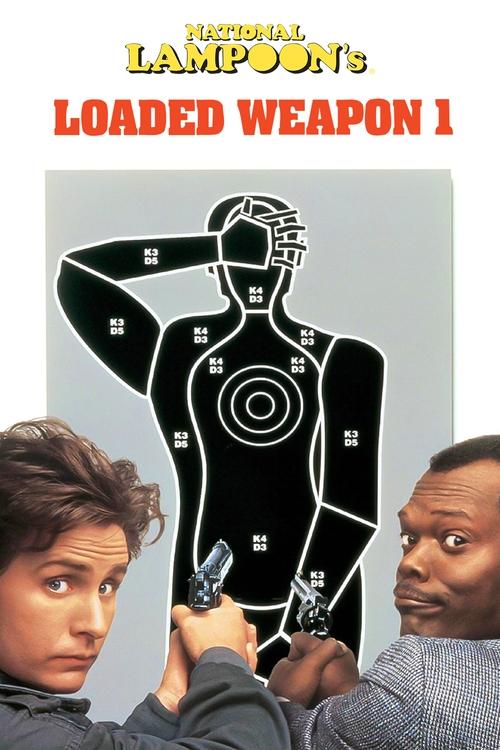
National Lampoon's Loaded Weapon 1
An LA detective is murdered because she has microfilm with the recipe to make cocaine cookies. Two cops partner to find and stop the fiends before they can dope the nation by distributing their wares via the 'Wilderness Girls' cookie drive.
Despite its small-scale budget of $13.0M, National Lampoon's Loaded Weapon 1 became a commercial success, earning $28.0M worldwide—a 115% return.


Plot Structure
Story beats plotted across runtime


Narrative Arc
Emotional journey through the story's key moments
Story Circle
Blueprint 15-beat structure
Arcplot Score Breakdown
Weighted: Precision (70%) + Arc (15%) + Theme (15%)
National Lampoon's Loaded Weapon 1 (1993) exemplifies strategically placed story structure, characteristic of Gene Quintano's storytelling approach. This structural analysis examines how the film's 15-point plot structure maps to proven narrative frameworks across 1 hour and 24 minutes. With an Arcplot score of 6.8, the film balances conventional beats with creative variation.
Structural Analysis
The Status Quo at 1 minutes (1% through the runtime) establishes Jack Colt is introduced as a reckless, unstable cop living in a trailer with his dog, establishing his wild, unorthodox status quo before the case begins.. Significantly, this early placement immediately immerses viewers in the story world.
The inciting incident occurs at 10 minutes when Jack's former partner York is murdered by the villains, and the microfilm containing a cocaine cookie recipe falls into criminal hands, launching the central investigation.. At 12% through the film, this Disruption aligns precisely with traditional story structure. This beat shifts the emotional landscape, launching the protagonist into the central conflict.
The First Threshold at 21 minutes marks the transition into Act II, occurring at 25% of the runtime. This indicates the protagonist's commitment to Jack and Wes commit to the case together, accepting their partnership and actively pursuing the criminals as a team, crossing into the full investigation., moving from reaction to action.
At 42 minutes, the Midpoint arrives at 50% of the runtime—precisely centered, creating perfect narrative symmetry. Significantly, this crucial beat Jack and Wes have a breakthrough in the case, discovering General Mortars' plan and location. They feel victorious and in control, but this false high precedes the real danger ahead., fundamentally raising what's at risk. The emotional intensity shifts, dividing the narrative into clear before-and-after phases.
The Collapse moment at 63 minutes (75% through) represents the emotional nadir. Here, Jack and Wes are captured by the villains and face execution. Their partnership seems doomed, and the case appears lost as they're held at gunpoint in their darkest moment., indicates the protagonist at their lowest point. This beat's placement in the final quarter sets up the climactic reversal.
The Second Threshold at 67 minutes initiates the final act resolution at 80% of the runtime. Jack and Wes use their combined skills and partnership to escape their bonds. They realize their strength as a team and commit to the final confrontation with renewed purpose., demonstrating the transformation achieved throughout the journey.
Emotional Journey
National Lampoon's Loaded Weapon 1's emotional architecture traces a deliberate progression across 15 carefully calibrated beats.
Narrative Framework
This structural analysis employs proven narrative structure principles that track dramatic progression. By mapping National Lampoon's Loaded Weapon 1 against these established plot points, we can identify how Gene Quintano utilizes or subverts traditional narrative conventions. The plot point approach reveals not only adherence to structural principles but also creative choices that distinguish National Lampoon's Loaded Weapon 1 within the comedy genre.
Comparative Analysis
Additional comedy films include The Bad Guys, Ella Enchanted and The Evening Star.
Plot Points by Act
Act I
SetupStatus Quo
Jack Colt is introduced as a reckless, unstable cop living in a trailer with his dog, establishing his wild, unorthodox status quo before the case begins.
Theme
The captain warns that partnership and trust are essential in police work, hinting at the film's theme about buddy cop dynamics and learning to work together despite differences.
Worldbuilding
Introduction to the LAPD world, Jack Colt's reckless methods, his new partner Wes Luger, and the criminal underworld involving microfilm cocaine recipes. The parody establishes its over-the-top cop movie conventions.
Disruption
Jack's former partner York is murdered by the villains, and the microfilm containing a cocaine cookie recipe falls into criminal hands, launching the central investigation.
Resistance
Jack and Wes reluctantly partner up, bickering and debating their approach. They investigate leads, clash over methods, and begin their pursuit of General Mortars and the criminal conspiracy.
Act II
ConfrontationFirst Threshold
Jack and Wes commit to the case together, accepting their partnership and actively pursuing the criminals as a team, crossing into the full investigation.
Mirror World
Jack meets Destiny Demeanor, the parody love interest who represents the emotional subplot. Their attraction develops, offering Jack something beyond his reckless cop lifestyle.
Premise
The fun of the buddy cop parody plays out: car chases, shootouts, interrogations, and comedy set pieces spoofing Lethal Weapon and other action films. Jack and Wes bond while pursuing leads.
Midpoint
Jack and Wes have a breakthrough in the case, discovering General Mortars' plan and location. They feel victorious and in control, but this false high precedes the real danger ahead.
Opposition
The villains strike back with increased force. Jack and Wes face escalating obstacles, traps, and attacks. The criminals close in, and the comedy gives way to higher stakes and danger.
Collapse
Jack and Wes are captured by the villains and face execution. Their partnership seems doomed, and the case appears lost as they're held at gunpoint in their darkest moment.
Crisis
In captivity, Jack and Wes confront their situation and must find a way to escape. They process the failure and prepare for one final attempt to survive and stop the villains.
Act III
ResolutionSecond Threshold
Jack and Wes use their combined skills and partnership to escape their bonds. They realize their strength as a team and commit to the final confrontation with renewed purpose.
Synthesis
The climactic finale: Jack and Wes storm the villain's compound, engage in an explosive showout with General Mortars and his forces, rescue Destiny, and destroy the cocaine operation in typical action movie fashion.
Transformation
Jack and Wes stand victorious as true partners, having learned to trust each other. Jack has found connection through partnership and romance, transformed from a lone wolf into someone who values relationships.