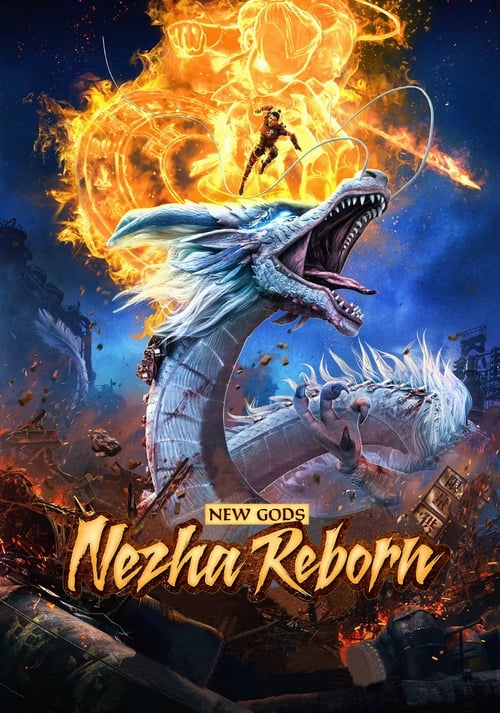
New Gods: Nezha Reborn
While living as an ordinary deliveryman and motor racing fan, Nezha encounters old nemeses and must rediscover his powers to protect his loved ones.
The film earned $70.0M at the global box office.


Plot Structure
Story beats plotted across runtime


Narrative Arc
Emotional journey through the story's key moments
Story Circle
Blueprint 15-beat structure
Arcplot Score Breakdown
Weighted: Precision (70%) + Arc (15%) + Theme (15%)
New Gods: Nezha Reborn (2021) exhibits strategically placed dramatic framework, characteristic of Zhao Ji's storytelling approach. This structural analysis examines how the film's 15-point plot structure maps to proven narrative frameworks across 1 hour and 57 minutes. With an Arcplot score of 7.2, the film balances conventional beats with creative variation.
Structural Analysis
The Status Quo at 1 minutes (1% through the runtime) establishes Li Yunxiang works as a delivery driver in Donghai City, a gritty cyberpunk metropolis where he lives a hard but honest life, unaware of his divine heritage as Nezha's reincarnation.. Significantly, this early placement immediately immerses viewers in the story world.
The inciting incident occurs at 15 minutes when Yunxiang's childhood friend is killed by the Dragon Clan, and he witnesses the brutal murder. This personal loss ignites his desire for vengeance and sets him on a collision course with the Ao family.. At 13% through the film, this Disruption is delayed, allowing extended setup of the story world. This beat shifts the emotional landscape, launching the protagonist into the central conflict.
The First Threshold at 29 minutes marks the transition into Act II, occurring at 25% of the runtime. This reveals the protagonist's commitment to Yunxiang makes the active choice to embrace his destiny as Nezha reborn. He commits to fighting the Dragon Clan, accepting that this path may cost him everything but is the right thing to do., moving from reaction to action.
At 59 minutes, the Midpoint arrives at 50% of the runtime—precisely centered, creating perfect narrative symmetry. The analysis reveals that this crucial beat False defeat: Yunxiang confronts a powerful Dragon Clan enforcer and barely survives. He realizes the Dragons are far more powerful than expected, and Ao Guang, the Dragon King, now knows about him and marks him for death., fundamentally raising what's at risk. The emotional intensity shifts, dividing the narrative into clear before-and-after phases.
The Collapse moment at 88 minutes (75% through) represents the emotional nadir. Here, Kasha is mortally wounded protecting Yunxiang from Ao Guang's attack. Her apparent death represents the "whiff of death" and shatters Yunxiang's confidence. He loses hope and questions whether his rebellion has only brought more suffering., indicates the protagonist at their lowest point. This beat's placement in the final quarter sets up the climactic reversal.
The Second Threshold at 94 minutes initiates the final act resolution at 80% of the runtime. Yunxiang fully accepts his identity as Nezha - not as a burden of fate, but as a chosen responsibility. He synthesizes his modern human compassion with his ancient divine power, understanding that true strength comes from fighting for others, not revenge., demonstrating the transformation achieved throughout the journey.
Emotional Journey
New Gods: Nezha Reborn's emotional architecture traces a deliberate progression across 15 carefully calibrated beats.
Narrative Framework
This structural analysis employs a 15-point narrative structure framework that maps key story moments. By mapping New Gods: Nezha Reborn against these established plot points, we can identify how Zhao Ji utilizes or subverts traditional narrative conventions. The plot point approach reveals not only adherence to structural principles but also creative choices that distinguish New Gods: Nezha Reborn within the animation genre.
Comparative Analysis
Additional animation films include The Bad Guys, Puss in Boots and Violet Evergarden: Eternity and the Auto Memory Doll.
Plot Points by Act
Act I
SetupStatus Quo
Li Yunxiang works as a delivery driver in Donghai City, a gritty cyberpunk metropolis where he lives a hard but honest life, unaware of his divine heritage as Nezha's reincarnation.
Theme
Kasha tells Yunxiang that "everyone has a destiny, but it's up to us whether we accept it" - establishing the film's central conflict between fate and choice.
Worldbuilding
Introduction to Donghai City's corrupt underworld controlled by the龙族 (Dragon Clan). We meet Yunxiang's friends, see his daily struggles, and learn about the powerful Ao family who rules through fear and exploitation.
Disruption
Yunxiang's childhood friend is killed by the Dragon Clan, and he witnesses the brutal murder. This personal loss ignites his desire for vengeance and sets him on a collision course with the Ao family.
Resistance
Yunxiang struggles with whether to seek revenge or stay safe. Kasha reveals hints about his true identity and ancient powers. He debates the cost of confronting the untouchable Dragon Clan and begins uncovering his connection to Nezha.
Act II
ConfrontationFirst Threshold
Yunxiang makes the active choice to embrace his destiny as Nezha reborn. He commits to fighting the Dragon Clan, accepting that this path may cost him everything but is the right thing to do.
Mirror World
Yunxiang's relationship with Kasha deepens as she becomes his guide to understanding his powers. She represents the thematic mirror - someone who chose to fight against fate rather than submit to it.
Premise
Yunxiang trains and discovers his divine abilities - the fire wheels, the spear, superhuman strength. He begins small attacks against Dragon Clan operations, becoming a folk hero. The "fun and games" of watching a god reborn take on corrupt power.
Midpoint
False defeat: Yunxiang confronts a powerful Dragon Clan enforcer and barely survives. He realizes the Dragons are far more powerful than expected, and Ao Guang, the Dragon King, now knows about him and marks him for death.
Opposition
The Dragon Clan strikes back hard, targeting Yunxiang's friends and allies. Ao Guang unleashes his full forces. Yunxiang's inexperience with his powers becomes a liability. The stakes escalate as innocents are caught in the crossfire.
Collapse
Kasha is mortally wounded protecting Yunxiang from Ao Guang's attack. Her apparent death represents the "whiff of death" and shatters Yunxiang's confidence. He loses hope and questions whether his rebellion has only brought more suffering.
Crisis
Yunxiang mourns Kasha and contemplates giving up. In his darkest moment, he processes what she taught him about choosing one's own destiny. He sits with the weight of his decisions and the cost of fighting tyranny.
Act III
ResolutionSecond Threshold
Yunxiang fully accepts his identity as Nezha - not as a burden of fate, but as a chosen responsibility. He synthesizes his modern human compassion with his ancient divine power, understanding that true strength comes from fighting for others, not revenge.
Synthesis
The final battle against Ao Guang and the Dragon Clan. Yunxiang unleashes his full power as Nezha, rallying the oppressed citizens of Donghai. Epic action sequences as he battles the Dragon King, protecting the city and honoring Kasha's sacrifice.
Transformation
Yunxiang stands victorious over the defeated Dragon Clan. Unlike the opening where he was a powerless delivery driver, he is now a protector-hero who has embraced his destiny on his own terms, transforming Donghai into a city of hope.