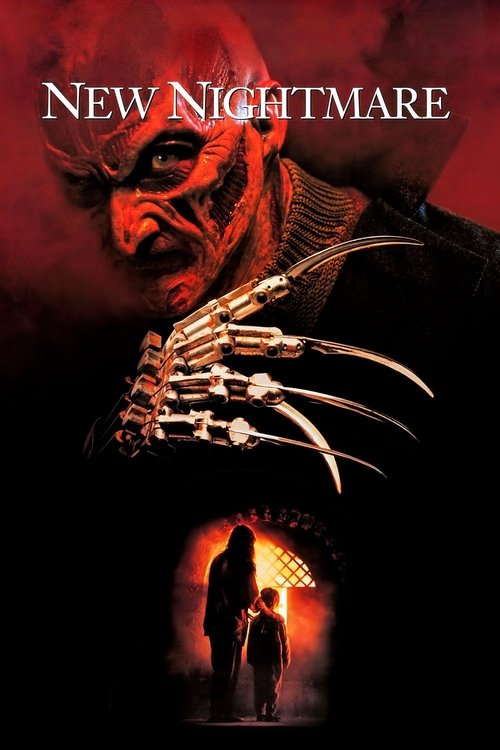
New Nightmare
A demonic force has chosen Freddy Krueger as its portal to the real world. Can Heather Langenkamp play the part of Nancy one last time and trap the evil trying to enter our world?
Despite its tight budget of $8.0M, New Nightmare became a box office success, earning $19.7M worldwide—a 147% return.
3 wins & 7 nominations


Plot Structure
Story beats plotted across runtime


Narrative Arc
Emotional journey through the story's key moments
Story Circle
Blueprint 15-beat structure
Arcplot Score Breakdown
Weighted: Precision (70%) + Arc (15%) + Theme (15%)
New Nightmare (1994) demonstrates deliberately positioned narrative design, characteristic of Wes Craven's storytelling approach. This structural analysis examines how the film's 15-point plot structure maps to proven narrative frameworks across 1 hour and 52 minutes. With an Arcplot score of 6.8, the film balances conventional beats with creative variation.
Structural Analysis
The Status Quo at 1 minutes (1% through the runtime) establishes Heather Langenkamp on the set of a Nightmare film, experiencing a disturbing earthquake during a scene with Freddy Krueger that feels too real, establishing her world as an actress haunted by her iconic role.. Of particular interest, this early placement immediately immerses viewers in the story world.
The inciting incident occurs at 14 minutes when Chase is killed in a car accident with mysterious slashing wounds on his body, making Heather a widow and bringing the horror of Freddy into her real life with undeniable violence.. At 12% through the film, this Disruption aligns precisely with traditional story structure. This beat shifts the emotional landscape, launching the protagonist into the central conflict.
The First Threshold at 29 minutes marks the transition into Act II, occurring at 25% of the runtime. This illustrates the protagonist's commitment to Dylan is hospitalized after slashing himself during a sleepwalking episode at Chase's funeral, forcing Heather to actively confront the supernatural forces threatening her son rather than passively avoiding them., moving from reaction to action.
At 56 minutes, the Midpoint arrives at 50% of the runtime—precisely centered, creating perfect narrative symmetry. Of particular interest, this crucial beat Julie, Dylan's babysitter, is brutally murdered by Freddy in Heather's own home, raising the stakes catastrophically and proving nowhere is safe—the entity can kill anyone close to Dylan., fundamentally raising what's at risk. The emotional intensity shifts, dividing the narrative into clear before-and-after phases.
The Collapse moment at 85 minutes (75% through) represents the emotional nadir. Here, Dylan is pulled through his hospital bed into Freddy's realm, disappearing from reality entirely. Heather has lost her son to the demon, representing complete failure and the death of her hope to protect him through ordinary means., demonstrates the protagonist at their lowest point. This beat's placement in the final quarter sets up the climactic reversal.
The Second Threshold at 90 minutes initiates the final act resolution at 80% of the runtime. Heather reads the end of Wes's script and accepts her destiny: she must become Nancy Thompson, enter Freddy's realm, and finish the story to trap the evil once again. She crosses into the Nightmare world with full agency and purpose., demonstrating the transformation achieved throughout the journey.
Emotional Journey
New Nightmare's emotional architecture traces a deliberate progression across 15 carefully calibrated beats.
Narrative Framework
This structural analysis employs systematic plot point analysis that identifies crucial turning points. By mapping New Nightmare against these established plot points, we can identify how Wes Craven utilizes or subverts traditional narrative conventions. The plot point approach reveals not only adherence to structural principles but also creative choices that distinguish New Nightmare within the horror genre.
Wes Craven's Structural Approach
Among the 14 Wes Craven films analyzed on Arcplot, the average structural score is 7.0, demonstrating varied approaches to story architecture. New Nightmare takes a more unconventional approach compared to the director's typical style. For comparative analysis, explore the complete Wes Craven filmography.
Comparative Analysis
Additional horror films include Thinner, Mary Reilly. For more Wes Craven analyses, see A Nightmare on Elm Street, Vampire in Brooklyn and The Serpent and the Rainbow.
Plot Points by Act
Act I
SetupStatus Quo
Heather Langenkamp on the set of a Nightmare film, experiencing a disturbing earthquake during a scene with Freddy Krueger that feels too real, establishing her world as an actress haunted by her iconic role.
Theme
At a Nightmare convention panel, a fan asks about evil taking on a life of its own when given a name and form, foreshadowing the film's central theme that stories can become real and must be contained through storytelling.
Worldbuilding
Establishing Heather's life as a mother and former horror actress: her son Dylan's disturbing behavior, her husband Chase's special effects work, the anniversary reunion with Nightmare cast members, and the increasing blurring of fiction and reality as earthquakes and strange events multiply.
Disruption
Chase is killed in a car accident with mysterious slashing wounds on his body, making Heather a widow and bringing the horror of Freddy into her real life with undeniable violence.
Resistance
Heather resists returning to the Nightmare franchise as New Line pursues her for a new film, while Dylan's behavior worsens with violent sleepwalking and Freddy-like mannerisms. She seeks answers from Robert Englund and Wes Craven, debating whether to engage with the horror or protect her son by staying away.
Act II
ConfrontationFirst Threshold
Dylan is hospitalized after slashing himself during a sleepwalking episode at Chase's funeral, forcing Heather to actively confront the supernatural forces threatening her son rather than passively avoiding them.
Mirror World
Wes Craven reveals he's been writing a new Nightmare script based on dreams he can't control, explaining that the ancient evil once trapped in the films has been released and is now stalking Heather and Dylan in reality—she must become Nancy one final time to defeat it.
Premise
The promise of meta-horror delivered: Heather experiences the terror of Freddy invading her real world while trying to protect Dylan in the hospital, encountering Freddy manifestations, discovering Chase's death matches Wes's script, and watching reality conform to the narrative of the new film being written.
Midpoint
Julie, Dylan's babysitter, is brutally murdered by Freddy in Heather's own home, raising the stakes catastrophically and proving nowhere is safe—the entity can kill anyone close to Dylan.
Opposition
Heather is blamed for Julie's death, pursued by police and social services while Dylan falls deeper under Freddy's influence. The real world closes in as authorities don't believe her story, Dylan is taken from her, and Freddy's power grows stronger, turning Dylan into a vessel.
Collapse
Dylan is pulled through his hospital bed into Freddy's realm, disappearing from reality entirely. Heather has lost her son to the demon, representing complete failure and the death of her hope to protect him through ordinary means.
Crisis
Heather experiences her dark night, holding Dylan's empty bed, confronting the impossibility of fighting an entity from the dream world. She must accept that her only path forward is embracing the role she's spent the film rejecting.
Act III
ResolutionSecond Threshold
Heather reads the end of Wes's script and accepts her destiny: she must become Nancy Thompson, enter Freddy's realm, and finish the story to trap the evil once again. She crosses into the Nightmare world with full agency and purpose.
Synthesis
In full Nancy costume within the nightmare realm, Heather battles Freddy to rescue Dylan, using both her knowledge as an actress and her power as a mother. She defeats Freddy by realizing Dylan must stop being afraid, and together they trap the demon back in the story where it belongs.
Transformation
Heather reads the finished story to Dylan as a bedtime tale, the Freddy glove now a harmless prop on the shelf. Mother and son are reunited and healed, having conquered the demon by accepting and completing the narrative—the story has become their salvation rather than their curse.