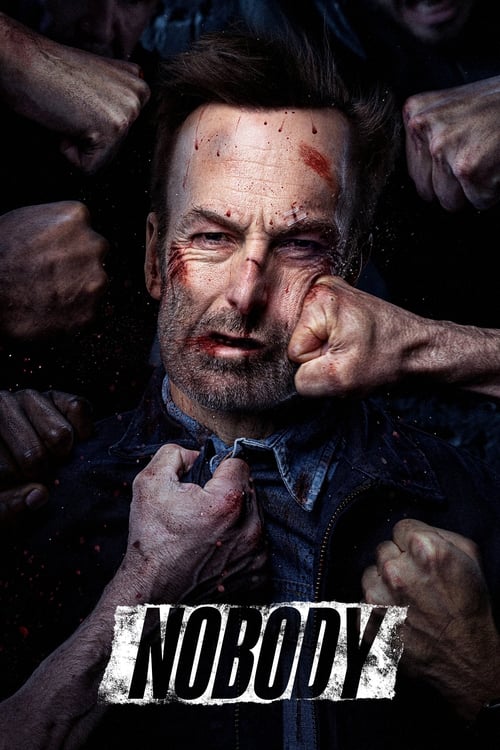
Nobody
Hutch Mansell, a suburban dad, overlooked husband, nothing neighbor — a "nobody." When two thieves break into his home one night, Hutch's unknown long-simmering rage is ignited and propels him on a brutal path that will uncover dark secrets he fought to leave behind.
Despite a moderate budget of $16.0M, Nobody became a commercial success, earning $57.5M worldwide—a 259% return.
5 wins & 18 nominations


Plot Structure
Story beats plotted across runtime


Narrative Arc
Emotional journey through the story's key moments
Story Circle
Blueprint 15-beat structure
Arcplot Score Breakdown
Weighted: Precision (70%) + Arc (15%) + Theme (15%)
Nobody (2021) reveals strategically placed narrative design, characteristic of Ilya Naishuller's storytelling approach. This structural analysis examines how the film's 15-point plot structure maps to proven narrative frameworks across 1 hour and 31 minutes. With an Arcplot score of 6.8, the film balances conventional beats with creative variation.
Characters
Cast & narrative archetypes

Hutch Mansell
Yulian Kuznetsov
Harry Mansell
David Mansell
Becca Mansell
Charlie Williams
Main Cast & Characters
Hutch Mansell
Played by Bob Odenkirk
A seemingly ordinary suburban father and husband who unleashes his dormant lethal skills after his home is burglarized.
Yulian Kuznetsov
Played by Aleksey Serebryakov
A volatile Russian crime lord whose brother is injured by Hutch, triggering a violent vendetta.
Harry Mansell
Played by Christopher Lloyd
Hutch's father, a retired FBI agent living in a nursing home who still has connections and skills.
David Mansell
Played by RZA
Hutch's half-brother, a government operative who provides tactical support and weaponry.
Becca Mansell
Played by Connie Nielsen
Hutch's wife who is emotionally distant and unaware of his dangerous past.
Charlie Williams
Played by Billy Kirkland
Hutch's brother-in-law and boss at the manufacturing company, dismissive of Hutch.
Structural Analysis
The Status Quo at 1 minutes (1% through the runtime) establishes Hutch Mansell's mundane, emasculated suburban life: missing the garbage truck, ignored by his family, sleeping in separate beds. A "nobody" going through the motions of an unfulfilling existence.. Notably, this early placement immediately immerses viewers in the story world.
The inciting incident occurs at 11 minutes when Two burglars break into Hutch's home. He has the opportunity to attack with a golf club but restrains himself, choosing not to act. His family and neighbors see him as a coward for not defending his home.. At 12% through the film, this Disruption aligns precisely with traditional story structure. This beat shifts the emotional landscape, launching the protagonist into the central conflict.
The First Threshold at 23 minutes marks the transition into Act II, occurring at 25% of the runtime. This reveals the protagonist's commitment to Hutch actively chooses to hunt down the burglars to retrieve his daughter's bracelet. He retrieves his hidden FBI badge and gold coins, breaking into the burglar's house—crossing into the world of violence he left behind., moving from reaction to action.
At 46 minutes, the Midpoint arrives at 50% of the runtime—precisely centered, creating perfect narrative symmetry. Of particular interest, this crucial beat False defeat: Hutch learns one of the men he brutalized on the bus is the brother of Yulian Kuznetsov, a psychotic Russian mob boss. The stakes explode—Yulian will come for him and his family. No going back., fundamentally raising what's at risk. The emotional intensity shifts, dividing the narrative into clear before-and-after phases.
The Collapse moment at 68 minutes (75% through) represents the emotional nadir. Here, Hutch's house is destroyed in the battle with Yulian's men. His normal life is literally burned to the ground. Everything he tried to protect—his family's peaceful existence—is gone. The "nobody" identity is dead., shows the protagonist at their lowest point. This beat's placement in the final quarter sets up the climactic reversal.
The Second Threshold at 73 minutes initiates the final act resolution at 80% of the runtime. Hutch recruits his father David (retired FBI) and brother Harry (government operative) for a final assault. He synthesizes his old skills with his new purpose: protecting family not by hiding who he is, but by being exactly who he is., demonstrating the transformation achieved throughout the journey.
Emotional Journey
Nobody's emotional architecture traces a deliberate progression across 15 carefully calibrated beats.
Narrative Framework
This structural analysis employs proven narrative structure principles that track dramatic progression. By mapping Nobody against these established plot points, we can identify how Ilya Naishuller utilizes or subverts traditional narrative conventions. The plot point approach reveals not only adherence to structural principles but also creative choices that distinguish Nobody within the action genre.
Ilya Naishuller's Structural Approach
Among the 2 Ilya Naishuller films analyzed on Arcplot, the average structural score is 6.8, demonstrating varied approaches to story architecture. Nobody exemplifies the director's characteristic narrative technique. For comparative analysis, explore the complete Ilya Naishuller filmography.
Comparative Analysis
Additional action films include The Bad Guys, Puss in Boots and Venom: The Last Dance. For more Ilya Naishuller analyses, see Hardcore Henry.
Plot Points by Act
Act I
SetupStatus Quo
Hutch Mansell's mundane, emasculated suburban life: missing the garbage truck, ignored by his family, sleeping in separate beds. A "nobody" going through the motions of an unfulfilling existence.
Theme
Hutch's brother Harry on the radio: "You let the wild animal out, you can't put it back in." The theme of suppressed identity and whether a violent past can stay buried.
Worldbuilding
Establishing Hutch's routine suburban existence, his strained marriage to Becca, distant relationship with his kids, soul-crushing job at his father-in-law's manufacturing company, and the neighbors who barely acknowledge him.
Disruption
Two burglars break into Hutch's home. He has the opportunity to attack with a golf club but restrains himself, choosing not to act. His family and neighbors see him as a coward for not defending his home.
Resistance
Hutch defends his choice to the police and his family, faces judgment from neighbors and coworkers. He discovers his daughter's kitty cat bracelet was taken. He debates whether to stay the "nobody" or unleash who he really is.
Act II
ConfrontationFirst Threshold
Hutch actively chooses to hunt down the burglars to retrieve his daughter's bracelet. He retrieves his hidden FBI badge and gold coins, breaking into the burglar's house—crossing into the world of violence he left behind.
Mirror World
Hutch encounters the desperate young mother burglar and her sick brother. He sees they needed the money for medical bills—reflecting that violence isn't always the answer and showing the humanity he'd suppressed.
Premise
The "fun and games" of Hutch unleashed: the brutal bus fight against thugs, patching himself up, burning evidence. His past as a lethal "auditor" is revealed. This is what we came to see—Bob Odenkirk as an action hero.
Midpoint
False defeat: Hutch learns one of the men he brutalized on the bus is the brother of Yulian Kuznetsov, a psychotic Russian mob boss. The stakes explode—Yulian will come for him and his family. No going back.
Opposition
Yulian sends assassins after Hutch. Hutch must protect his family while they learn who he really is. He sends Becca and the kids away. The Russians close in, attacking his home. Pressure and violence intensify.
Collapse
Hutch's house is destroyed in the battle with Yulian's men. His normal life is literally burned to the ground. Everything he tried to protect—his family's peaceful existence—is gone. The "nobody" identity is dead.
Crisis
Hutch sits in the ruins processing the destruction. He faces the reality that he can't be both the peaceful nobody and the protector. He must fully embrace his lethal identity to end this.
Act III
ResolutionSecond Threshold
Hutch recruits his father David (retired FBI) and brother Harry (government operative) for a final assault. He synthesizes his old skills with his new purpose: protecting family not by hiding who he is, but by being exactly who he is.
Synthesis
The Obshchak assault: Hutch and his family wage war on Yulian's nightclub. Elaborate traps, spectacular violence, and teamwork. Father and sons united in lethal purpose. Hutch defeats Yulian and burns down the criminal empire.
Transformation
Mirror to opening: same routine, but transformed. Hutch is respected, his marriage rekindled, his family knows who he is. He's no longer a "nobody"—he's integrated his dangerous past with his present, becoming whole and formidable.