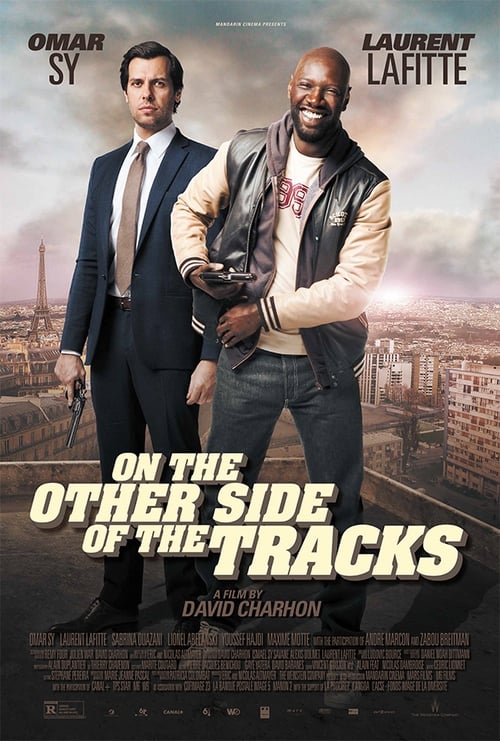
On the Other Side of the Tracks
Two mismatched cops team up to investigate the murder of a business mogul's wife.
The film earned $25.1M at the global box office.
Plot Structure
Story beats plotted across runtime


Narrative Arc
Emotional journey through the story's key moments
Story Circle
Blueprint 15-beat structure
Arcplot Score Breakdown
Weighted: Precision (70%) + Arc (15%) + Theme (15%)
On the Other Side of the Tracks (2012) exemplifies carefully calibrated plot construction, characteristic of David Charhon's storytelling approach. This structural analysis examines how the film's 15-point plot structure maps to proven narrative frameworks across 1 hour and 36 minutes. With an Arcplot score of 7.1, the film balances conventional beats with creative variation.
Structural Analysis
The Status Quo at 1 minutes (1% through the runtime) establishes Detective Ouassini operates in the dangerous suburbs using unconventional methods, while Detective Barko works in the sophisticated central Paris precinct by the book. Two worlds that never mix.. The analysis reveals that this early placement immediately immerses viewers in the story world.
The inciting incident occurs at 12 minutes when A major drug lord they've both been tracking separately kidnaps someone important, forcing their superiors to mandate that Ouassini and Barko must work together despite their incompatibility.. At 12% through the film, this Disruption aligns precisely with traditional story structure. This beat shifts the emotional landscape, launching the protagonist into the central conflict.
The First Threshold at 24 minutes marks the transition into Act II, occurring at 26% of the runtime. This shows the protagonist's commitment to After a near-disaster due to their lack of coordination, both detectives reluctantly agree to genuinely try working together. They commit to the partnership and begin their joint investigation., moving from reaction to action.
At 49 minutes, the Midpoint arrives at 51% of the runtime—precisely centered, creating perfect narrative symmetry. Notably, this crucial beat A major breakthrough: combining their approaches, they successfully raid a key location and rescue the hostage. They celebrate their victory, believing they've won, but they've actually been deceived., fundamentally raising what's at risk. The emotional intensity shifts, dividing the narrative into clear before-and-after phases.
The Collapse moment at 72 minutes (76% through) represents the emotional nadir. Here, The partnership falls apart in mutual blame. A civilian dies due to their miscommunication. Both are suspended and face career destruction. Their collaboration seems to have made everything worse., shows the protagonist at their lowest point. This beat's placement in the final quarter sets up the climactic reversal.
The Second Threshold at 77 minutes initiates the final act resolution at 81% of the runtime. Independent investigation leads both to the same revelation about the drug lord's true plan. They reunite, this time with genuine respect and a synthesized approach combining street smarts with procedure., demonstrating the transformation achieved throughout the journey.
Emotional Journey
On the Other Side of the Tracks's emotional architecture traces a deliberate progression across 15 carefully calibrated beats.
Narrative Framework
This structural analysis employs proven narrative structure principles that track dramatic progression. By mapping On the Other Side of the Tracks against these established plot points, we can identify how David Charhon utilizes or subverts traditional narrative conventions. The plot point approach reveals not only adherence to structural principles but also creative choices that distinguish On the Other Side of the Tracks within the comedy genre.
Comparative Analysis
Additional comedy films include The Ministry of Ungentlemanly Warfare, The Bad Guys and Lake Placid.
Plot Points by Act
Act I
SetupStatus Quo
Detective Ouassini operates in the dangerous suburbs using unconventional methods, while Detective Barko works in the sophisticated central Paris precinct by the book. Two worlds that never mix.
Theme
A superior officer comments that 'sometimes you have to cross boundaries to see the full picture,' hinting at the need to bridge different worlds and perspectives.
Worldbuilding
Establishment of the contrasting worlds: Ouassini's rough, streetwise approach in the suburbs versus Barko's refined, procedural methods in central Paris. Both are effective in their domains but have mutual disdain.
Disruption
A major drug lord they've both been tracking separately kidnaps someone important, forcing their superiors to mandate that Ouassini and Barko must work together despite their incompatibility.
Resistance
Initial resistance and clash of styles. Both detectives argue against the partnership, each insisting their methods are superior. Comic friction as they debate approaches and refuse to compromise.
Act II
ConfrontationFirst Threshold
After a near-disaster due to their lack of coordination, both detectives reluctantly agree to genuinely try working together. They commit to the partnership and begin their joint investigation.
Mirror World
Each detective is forced into the other's world: Barko must navigate the rough suburbs, and Ouassini must operate in upscale Paris. They begin to see value in each other's perspectives and skills.
Premise
The fun of the odd-couple partnership. Comic set pieces as they pursue leads, with each detective's methods creating chaos in the other's territory. Growing mutual respect despite continued friction.
Midpoint
A major breakthrough: combining their approaches, they successfully raid a key location and rescue the hostage. They celebrate their victory, believing they've won, but they've actually been deceived.
Opposition
The rescue was a setup. The real target was a decoy. The drug lord anticipated their cooperation and used it against them. Pressure mounts as their superiors lose faith and the detectives realize they're outmatched.
Collapse
The partnership falls apart in mutual blame. A civilian dies due to their miscommunication. Both are suspended and face career destruction. Their collaboration seems to have made everything worse.
Crisis
Separated and defeated, each detective reflects on what went wrong. They realize their stubbornness and ego prevented true collaboration. Each sees how the other's approach actually complements their own.
Act III
ResolutionSecond Threshold
Independent investigation leads both to the same revelation about the drug lord's true plan. They reunite, this time with genuine respect and a synthesized approach combining street smarts with procedure.
Synthesis
The finale combines Ouassini's unconventional tactics with Barko's strategic planning. Operating as a true team, they infiltrate the drug lord's operation, outmaneuver his defenses, and bring him to justice.
Transformation
The two detectives, now genuine partners and friends, work together permanently. Ouassini brings method to the suburbs; Barko brings intuition to central Paris. The boundaries between their worlds have dissolved.