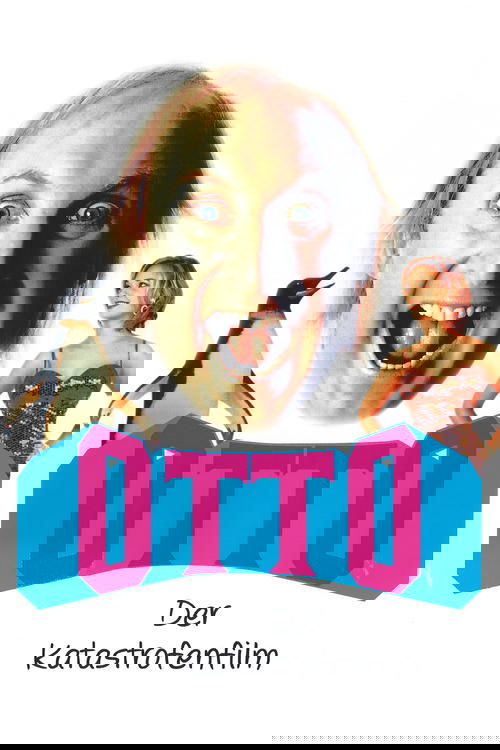
Otto - The Disaster Movie
A man from Ostfriesland travels to Hamburg and sets course for America on a steamship to conquer this New World as well. What he leaves behind is a swath of devastation, a breach of confusion, a Milky Way full of music, a dead end full of mad jokes and perhaps a touch too much wordplay at the expense of others. But what is worst of all: he has also made a film about it!
The film earned $5.1M at the global box office.
Plot Structure
Story beats plotted across runtime


Narrative Arc
Emotional journey through the story's key moments
Story Circle
Blueprint 15-beat structure
Arcplot Score Breakdown
Weighted: Precision (70%) + Arc (15%) + Theme (15%)
Otto - The Disaster Movie (2000) reveals deliberately positioned plot construction, characteristic of Edzard Onneken's storytelling approach. This structural analysis examines how the film's 15-point plot structure maps to proven narrative frameworks across 1 hour and 27 minutes. With an Arcplot score of 7.4, the film balances conventional beats with creative variation.
Structural Analysis
The Status Quo at 1 minutes (1% through the runtime) establishes Otto is introduced in his ordinary world, establishing his character and everyday life before the disaster strikes.. Notably, this early placement immediately immerses viewers in the story world.
The inciting incident occurs at 10 minutes when The initial disaster event occurs, disrupting the status quo and forcing Otto to react to the catastrophic situation.. At 12% through the film, this Disruption aligns precisely with traditional story structure. This beat shifts the emotional landscape, launching the protagonist into the central conflict.
The First Threshold at 22 minutes marks the transition into Act II, occurring at 25% of the runtime. This illustrates the protagonist's commitment to Otto makes an active choice to enter the new world of survival and disaster response, committing to a course of action., moving from reaction to action.
At 44 minutes, the Midpoint arrives at 50% of the runtime—precisely centered, creating perfect narrative symmetry. Structural examination shows that this crucial beat A false victory or major setback that raises the stakes. The situation worsens or Otto's plan encounters a significant obstacle, changing the game., fundamentally raising what's at risk. The emotional intensity shifts, dividing the narrative into clear before-and-after phases.
The Collapse moment at 65 minutes (75% through) represents the emotional nadir. Here, The darkest moment with a whiff of death - Otto faces ultimate loss, possibly losing a companion, hope, or belief that survival is possible., reveals the protagonist at their lowest point. This beat's placement in the final quarter sets up the climactic reversal.
The Second Threshold at 70 minutes initiates the final act resolution at 80% of the runtime. New information, realization, or synthesis gives Otto clarity. He combines lessons learned with his original strengths for a final confrontation., demonstrating the transformation achieved throughout the journey.
Emotional Journey
Otto - The Disaster Movie's emotional architecture traces a deliberate progression across 15 carefully calibrated beats.
Narrative Framework
This structural analysis employs proven narrative structure principles that track dramatic progression. By mapping Otto - The Disaster Movie against these established plot points, we can identify how Edzard Onneken utilizes or subverts traditional narrative conventions. The plot point approach reveals not only adherence to structural principles but also creative choices that distinguish Otto - The Disaster Movie within the comedy genre.
Comparative Analysis
Additional comedy films include The Ministry of Ungentlemanly Warfare, The Bad Guys and Lake Placid.
Plot Points by Act
Act I
SetupStatus Quo
Otto is introduced in his ordinary world, establishing his character and everyday life before the disaster strikes.
Theme
A secondary character states the film's thematic question about survival, preparedness, or what truly matters when everything falls apart.
Worldbuilding
Introduction to Otto's world, relationships, and the setting. Establishes the normalcy that will soon be disrupted and the stakes for the characters.
Disruption
The initial disaster event occurs, disrupting the status quo and forcing Otto to react to the catastrophic situation.
Resistance
Otto resists the call to action, debates his options, and possibly receives guidance from a mentor figure about how to respond to the disaster.
Act II
ConfrontationFirst Threshold
Otto makes an active choice to enter the new world of survival and disaster response, committing to a course of action.
Mirror World
Introduction of a key relationship or subplot that will carry the thematic weight - possibly a love interest, companion, or group dynamic that represents what Otto is fighting for.
Premise
Otto navigates the disaster scenario, experiencing the promise of the premise with action sequences, narrow escapes, and exploration of the transformed world.
Midpoint
A false victory or major setback that raises the stakes. The situation worsens or Otto's plan encounters a significant obstacle, changing the game.
Opposition
The disaster intensifies, antagonistic forces close in, and Otto's flaws or mistakes compound the danger. Everything becomes harder and more desperate.
Collapse
The darkest moment with a whiff of death - Otto faces ultimate loss, possibly losing a companion, hope, or belief that survival is possible.
Crisis
Otto processes the devastating loss and despair, hitting rock bottom before finding new resolve or insight.
Act III
ResolutionSecond Threshold
New information, realization, or synthesis gives Otto clarity. He combines lessons learned with his original strengths for a final confrontation.
Synthesis
Otto executes his final plan, confronts the ultimate disaster challenge, and resolves the central conflict through action and transformed understanding.
Transformation
Final image showing Otto transformed by his experience, mirroring the opening but demonstrating growth and change earned through surviving the disaster.