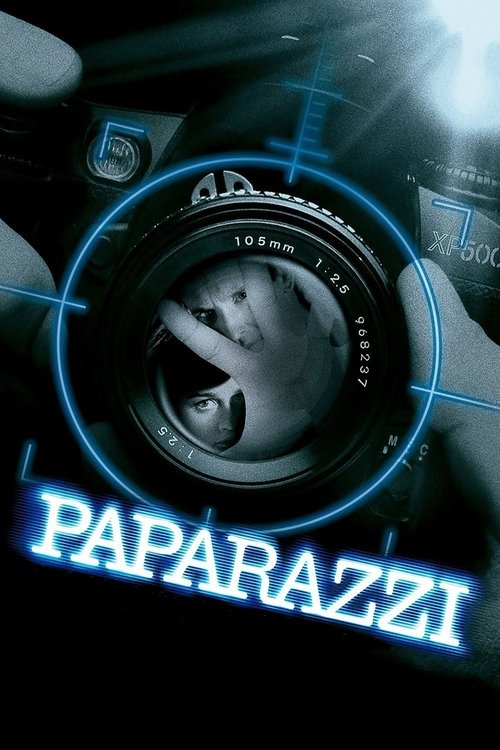
Paparazzi
A rising Hollywood actor decides to take personal revenge against a group of four persistent photographers to make them pay for almost causing a personal tragedy involving his wife and son.
The film struggled financially against its mid-range budget of $20.0M, earning $16.8M globally (-16% loss).


Plot Structure
Story beats plotted across runtime


Narrative Arc
Emotional journey through the story's key moments
Story Circle
Blueprint 15-beat structure
Arcplot Score Breakdown
Weighted: Precision (70%) + Arc (15%) + Theme (15%)
Paparazzi (2004) exemplifies strategically placed plot construction, characteristic of Paul Abascal's storytelling approach. This structural analysis examines how the film's 15-point plot structure maps to proven narrative frameworks across 1 hour and 24 minutes. With an Arcplot score of 7.4, the film balances conventional beats with creative variation.
Structural Analysis
The Status Quo at 1 minutes (1% through the runtime) establishes Bo Laramie is a successful action star living the dream with his loving wife Abby and young son Zach. Opening images show him as a devoted family man at the peak of his career.. The analysis reveals that this early placement immediately immerses viewers in the story world.
The inciting incident occurs at 10 minutes when Rex Harper and his paparazzi crew aggressively pursue Bo and his family, creating a dangerous situation. Bo punches Rex, and the incident is caught on camera, creating legal and public relations problems.. At 12% through the film, this Disruption aligns precisely with traditional story structure. This beat shifts the emotional landscape, launching the protagonist into the central conflict.
The First Threshold at 20 minutes marks the transition into Act II, occurring at 24% of the runtime. This shows the protagonist's commitment to Rex and the paparazzi cause a car accident that seriously injures Bo's wife and son, putting them in the hospital. Bo realizes the legal system won't protect his family and must take matters into his own hands., moving from reaction to action.
At 41 minutes, the Midpoint arrives at 49% of the runtime—precisely centered, creating perfect narrative symmetry. Notably, this crucial beat Bo successfully stages the death of one paparazzi member to look like an accident. False victory: he's getting away with it, but the stakes are now life and death. He's crossed a moral threshold., fundamentally raising what's at risk. The emotional intensity shifts, dividing the narrative into clear before-and-after phases.
The Collapse moment at 60 minutes (72% through) represents the emotional nadir. Here, Rex kidnaps Bo's son Zach, holding him hostage. Bo's revenge plan has put his family in even greater danger than before. His worst fear is realized—he may lose his son., demonstrates the protagonist at their lowest point. This beat's placement in the final quarter sets up the climactic reversal.
The Second Threshold at 66 minutes initiates the final act resolution at 78% of the runtime. Bo learns where Rex is holding Zach. He synthesizes his action-star skills with his newfound ruthlessness, fully committing to save his son by any means necessary. The father and the fighter become one., demonstrating the transformation achieved throughout the journey.
Emotional Journey
Paparazzi's emotional architecture traces a deliberate progression across 15 carefully calibrated beats.
Narrative Framework
This structural analysis employs proven narrative structure principles that track dramatic progression. By mapping Paparazzi against these established plot points, we can identify how Paul Abascal utilizes or subverts traditional narrative conventions. The plot point approach reveals not only adherence to structural principles but also creative choices that distinguish Paparazzi within the action genre.
Comparative Analysis
Additional action films include The Bad Guys, Puss in Boots and Venom: The Last Dance.
Plot Points by Act
Act I
SetupStatus Quo
Bo Laramie is a successful action star living the dream with his loving wife Abby and young son Zach. Opening images show him as a devoted family man at the peak of his career.
Theme
At a premiere event, someone warns Bo that fame comes with a price and that privacy is sacred. The theme: How far will a man go to protect his family?
Worldbuilding
Setup of Bo's world: his career success, happy family life, and the increasing intrusion of paparazzi led by the aggressive Rex Harper. Establishes the conflict between celebrity and privacy.
Disruption
Rex Harper and his paparazzi crew aggressively pursue Bo and his family, creating a dangerous situation. Bo punches Rex, and the incident is caught on camera, creating legal and public relations problems.
Resistance
Bo tries to handle the situation legally and professionally. His publicist and lawyer advise restraint. The paparazzi harassment escalates, with Rex becoming more vengeful and invasive.
Act II
ConfrontationFirst Threshold
Rex and the paparazzi cause a car accident that seriously injures Bo's wife and son, putting them in the hospital. Bo realizes the legal system won't protect his family and must take matters into his own hands.
Mirror World
Detective Burton, a cop who understands Bo's rage, becomes an unlikely ally. He represents the thematic question of justice vs. revenge, operating within the law while sympathizing with Bo's situation.
Premise
Bo begins stalking the paparazzi, learning their patterns and weaknesses. He methodically plans his revenge while maintaining his public persona. The "fun and games" of watching Bo turn the tables on his tormentors.
Midpoint
Bo successfully stages the death of one paparazzi member to look like an accident. False victory: he's getting away with it, but the stakes are now life and death. He's crossed a moral threshold.
Opposition
Detective Burton begins to suspect Bo. Rex Harper becomes paranoid and more dangerous, escalating his own actions. Bo continues his revenge campaign but the walls are closing in from both the law and his remaining targets.
Collapse
Rex kidnaps Bo's son Zach, holding him hostage. Bo's revenge plan has put his family in even greater danger than before. His worst fear is realized—he may lose his son.
Crisis
Bo faces his darkest moment, realizing his quest for revenge endangered his son. He must decide whether to continue down this violent path or find another way. Processing the weight of his choices.
Act III
ResolutionSecond Threshold
Bo learns where Rex is holding Zach. He synthesizes his action-star skills with his newfound ruthlessness, fully committing to save his son by any means necessary. The father and the fighter become one.
Synthesis
Bo confronts Rex in a final showdown. He rescues Zach and defeats Rex, staging it to look like Rex died accidentally while trying to harm them. Detective Burton arrives but chooses to accept the official story.
Transformation
Bo and his family are together again, safe. He's transformed from a naive celebrity into a man who knows the dark price of fame and protection. The family is whole but forever changed by what they've endured.