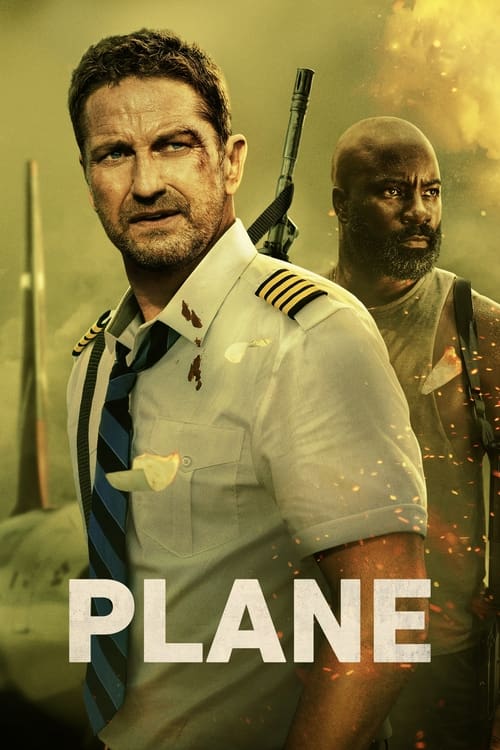
Plane
After a heroic job of successfully landing his storm-damaged aircraft in a war zone, a fearless pilot finds himself between the agendas of multiple militias planning to take the plane and its passengers hostage.
Despite a respectable budget of $25.0M, Plane became a box office success, earning $74.5M worldwide—a 198% return.


Plot Structure
Story beats plotted across runtime


Narrative Arc
Emotional journey through the story's key moments
Story Circle
Blueprint 15-beat structure
Arcplot Score Breakdown
Weighted: Precision (70%) + Arc (15%) + Theme (15%)
Plane (2023) demonstrates meticulously timed plot construction, characteristic of Jean-François Richet's storytelling approach. This structural analysis examines how the film's 15-point plot structure maps to proven narrative frameworks across 1 hour and 47 minutes. With an Arcplot score of 7.5, the film showcases strong structural fundamentals.
Characters
Cast & narrative archetypes

Brodie Torrance
Louis Gaspare
Scarsdale
Dele
Bonnie Lane
Samuel
Terry Wade
Sinclair
Main Cast & Characters
Brodie Torrance
Played by Gerard Butler
A skilled commercial airline pilot who crash-lands his plane on a war-torn island and must protect his passengers while awaiting rescue.
Louis Gaspare
Played by Mike Colter
A convicted murderer being extradited who becomes an unlikely ally to Captain Torrance in fighting off the island's hostile militia.
Scarsdale
Played by Tony Goldwyn
A ruthless corporate crisis management executive who prioritizes the airline's reputation over passenger safety.
Dele
Played by Evan Dane Taylor
The leader of a dangerous separatist militia controlling the island where the plane crashes.
Bonnie Lane
Played by Daniella Pineda
A resourceful flight attendant who helps maintain order among the passengers during the crisis.
Samuel
Played by Yoson An
First officer and co-pilot of the Trailblazer flight who is killed during the emergency landing.
Terry Wade
Played by Paul Ben-Victor
A seasoned private military contractor hired to lead the rescue operation on the island.
Sinclair
Played by Remi Adeleke
A government agent who provides intelligence and coordinates rescue efforts from the operations center.
Structural Analysis
The Status Quo at 1 minutes (1% through the runtime) establishes Captain Brodie Torrance video-calls his daughter on New Year's Eve before his flight, establishing him as a skilled but weary commercial pilot trying to balance work and family.. Structural examination shows that this early placement immediately immerses viewers in the story world.
The inciting incident occurs at 13 minutes when The plane flies into a massive storm and is hit by lightning, destroying instruments and engines. Brodie must make an emergency landing, losing control of the situation.. At 12% through the film, this Disruption aligns precisely with traditional story structure. This beat shifts the emotional landscape, launching the protagonist into the central conflict.
The First Threshold at 26 minutes marks the transition into Act II, occurring at 24% of the runtime. This demonstrates the protagonist's commitment to Brodie decides to venture into the jungle to find help, leaving the relative safety of the crashed plane. He actively chooses to enter the dangerous world beyond the aircraft., moving from reaction to action.
At 53 minutes, the Midpoint arrives at 49% of the runtime—precisely centered, creating perfect narrative symmetry. Significantly, this crucial beat Passengers are captured and taken hostage by the rebels. The stakes escalate dramatically—it's no longer just about survival, but rescue. False defeat: they've lost control of the situation., fundamentally raising what's at risk. The emotional intensity shifts, dividing the narrative into clear before-and-after phases.
The Collapse moment at 80 minutes (75% through) represents the emotional nadir. Here, The rescue attempt falls apart as rebels prepare to execute hostages. Brodie is separated from Louis and captured. All seems lost—whiff of death as execution is imminent., illustrates the protagonist at their lowest point. This beat's placement in the final quarter sets up the climactic reversal.
The Second Threshold at 85 minutes initiates the final act resolution at 79% of the runtime. Louis rescues Brodie and they commit fully to the final assault. Brodie synthesizes his leadership skills with Louis's combat expertise. They choose to fight together to the end., demonstrating the transformation achieved throughout the journey.
Emotional Journey
Plane's emotional architecture traces a deliberate progression across 15 carefully calibrated beats.
Narrative Framework
This structural analysis employs systematic plot point analysis that identifies crucial turning points. By mapping Plane against these established plot points, we can identify how Jean-François Richet utilizes or subverts traditional narrative conventions. The plot point approach reveals not only adherence to structural principles but also creative choices that distinguish Plane within the action genre.
Jean-François Richet's Structural Approach
Among the 3 Jean-François Richet films analyzed on Arcplot, the average structural score is 7.2, reflecting strong command of classical structure. Plane represents one of the director's most structurally precise works. For comparative analysis, explore the complete Jean-François Richet filmography.
Comparative Analysis
Additional action films include The Bad Guys, Puss in Boots and Venom: The Last Dance. For more Jean-François Richet analyses, see Blood Father, Assault on Precinct 13.
Plot Points by Act
Act I
SetupStatus Quo
Captain Brodie Torrance video-calls his daughter on New Year's Eve before his flight, establishing him as a skilled but weary commercial pilot trying to balance work and family.
Theme
Discussion about the dangerous prisoner transport and taking risks for the job hints at the theme: sometimes survival requires trusting unlikely allies and doing whatever it takes.
Worldbuilding
Setup of the routine flight from Singapore to Tokyo with minimal crew, sparse passengers, and accused murderer Louis Gaspare being transported in custody. Brodie is professional but detached.
Disruption
The plane flies into a massive storm and is hit by lightning, destroying instruments and engines. Brodie must make an emergency landing, losing control of the situation.
Resistance
Brodie struggles to find a landing spot, debates crash-landing options, and successfully lands on a makeshift runway on Jolo Island in the Philippines—only to realize they're in hostile rebel territory.
Act II
ConfrontationFirst Threshold
Brodie decides to venture into the jungle to find help, leaving the relative safety of the crashed plane. He actively chooses to enter the dangerous world beyond the aircraft.
Mirror World
Brodie reluctantly partners with Louis Gaspare, the accused murderer, recognizing he needs someone with combat skills to survive. This unlikely alliance becomes the thematic heart of survival through trust.
Premise
Brodie and Louis work together to protect passengers from separatist militants, search for communication, and fight off initial attacks. The promise of the premise: a pilot and criminal teaming up for survival.
Midpoint
Passengers are captured and taken hostage by the rebels. The stakes escalate dramatically—it's no longer just about survival, but rescue. False defeat: they've lost control of the situation.
Opposition
Brodie and Louis infiltrate the rebel compound while a private military rescue team arrives but faces obstacles. Tension rises as hostages are threatened, time runs out, and the body count increases.
Collapse
The rescue attempt falls apart as rebels prepare to execute hostages. Brodie is separated from Louis and captured. All seems lost—whiff of death as execution is imminent.
Crisis
Brodie faces his darkest moment in captivity, realizing he may never see his daughter again. He must find the will to fight when everything seems hopeless.
Act III
ResolutionSecond Threshold
Louis rescues Brodie and they commit fully to the final assault. Brodie synthesizes his leadership skills with Louis's combat expertise. They choose to fight together to the end.
Synthesis
Brodie and Louis execute a coordinated attack on the rebel compound, free the hostages, fight through enemies, get everyone back to the plane, and escape as mercenaries provide cover. The finale.
Transformation
Brodie reunites with his daughter, transformed from a detached professional into someone who understands sacrifice and trust. Louis gains his freedom for his heroism. Both men are redeemed.