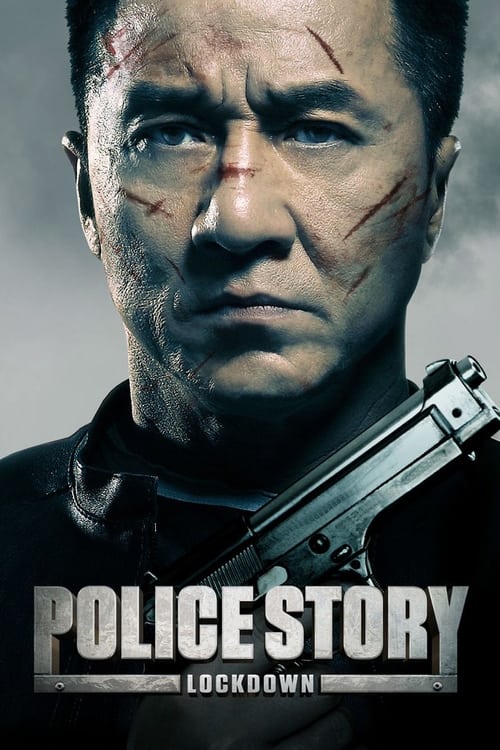
Police Story: Lockdown
A man looking for the release of a long-time prisoner takes a police officer, his daughter, and a group of strangers hostage.
Despite a moderate budget of $35.0M, Police Story: Lockdown became a financial success, earning $94.2M worldwide—a 169% return.









Plot Structure
Story beats plotted across runtime


Narrative Arc
Emotional journey through the story's key moments
Story Circle
Blueprint 15-beat structure
Arcplot Score Breakdown
Weighted: Precision (70%) + Arc (15%) + Theme (15%)
Police Story: Lockdown (2013) showcases meticulously timed narrative architecture, characteristic of Ding Sheng's storytelling approach. This structural analysis examines how the film's 15-point plot structure maps to proven narrative frameworks across 1 hour and 50 minutes. With an Arcplot score of 7.7, the film showcases strong structural fundamentals.
Structural Analysis
The Status Quo at 1 minutes (1% through the runtime) establishes Zhong Wen, a mainland Chinese police captain, arrives at a nightclub bar in China to meet his estranged daughter Miao Miao, showing the strained father-daughter relationship that defines his ordinary world.. Notably, this early placement immediately immerses viewers in the story world.
The inciting incident occurs at 14 minutes when Armed men suddenly lock down the nightclub, taking everyone hostage. Zhong and all patrons are trapped inside what becomes a deadly standoff situation.. At 13% through the film, this Disruption is delayed, allowing extended setup of the story world. This beat shifts the emotional landscape, launching the protagonist into the central conflict.
The First Threshold at 28 minutes marks the transition into Act II, occurring at 25% of the runtime. This reveals the protagonist's commitment to Zhong actively chooses to engage with Wu Jiang and the hostage situation rather than wait for rescue, stepping into his role as negotiator and protector, committing to uncover the truth behind the attack., moving from reaction to action.
At 55 minutes, the Midpoint arrives at 50% of the runtime—precisely centered, creating perfect narrative symmetry. Of particular interest, this crucial beat Major revelation: Wu Jiang exposes that his daughter was killed in a case involving police corruption, and several people in the bar are connected to the cover-up. The stakes escalate from simple hostage situation to a trial of justice., fundamentally raising what's at risk. The emotional intensity shifts, dividing the narrative into clear before-and-after phases.
The Collapse moment at 83 minutes (75% through) represents the emotional nadir. Here, The deepest truth emerges: Zhong himself was indirectly complicit in the original injustice through his silence and dedication to the corrupt system. His relationship with Miao Miao reaches its lowest point as she learns of his failures., demonstrates the protagonist at their lowest point. This beat's placement in the final quarter sets up the climactic reversal.
The Second Threshold at 88 minutes initiates the final act resolution at 80% of the runtime. Zhong makes the choice to expose the corruption and stand with Wu Jiang's quest for truth, synthesizing his police skills with newfound moral clarity. He commits to being the father and officer he should have been., demonstrating the transformation achieved throughout the journey.
Emotional Journey
Police Story: Lockdown's emotional architecture traces a deliberate progression across 15 carefully calibrated beats.
Narrative Framework
This structural analysis employs proven narrative structure principles that track dramatic progression. By mapping Police Story: Lockdown against these established plot points, we can identify how Ding Sheng utilizes or subverts traditional narrative conventions. The plot point approach reveals not only adherence to structural principles but also creative choices that distinguish Police Story: Lockdown within the action genre.
Comparative Analysis
Additional action films include The Ministry of Ungentlemanly Warfare, The Bad Guys and Lake Placid.
Plot Points by Act
Act I
SetupStatus Quo
Zhong Wen, a mainland Chinese police captain, arrives at a nightclub bar in China to meet his estranged daughter Miao Miao, showing the strained father-daughter relationship that defines his ordinary world.
Theme
A character at the bar discusses how past mistakes and secrets destroy relationships, stating the film's central theme about confronting truth and seeking redemption for past wrongs.
Worldbuilding
Introduction to the nightclub setting, the various patrons including Wu Jiang (the bar owner) and his troubled past, and the complex web of relationships. Zhong attempts to reconnect with his daughter who resents him for his absence during her childhood.
Disruption
Armed men suddenly lock down the nightclub, taking everyone hostage. Zhong and all patrons are trapped inside what becomes a deadly standoff situation.
Resistance
Zhong debates whether to reveal his police identity or protect his daughter by staying hidden. The hostage-taker Wu Jiang begins revealing his motivations tied to past injustices, while police surround the building outside.
Act II
ConfrontationFirst Threshold
Zhong actively chooses to engage with Wu Jiang and the hostage situation rather than wait for rescue, stepping into his role as negotiator and protector, committing to uncover the truth behind the attack.
Mirror World
Miao Miao's boyfriend and the other hostages represent the "B story" exploring themes of truth versus corruption. Their relationships mirror Zhong's need to confront his own failures as a father and officer.
Premise
The "promise of the premise" - a contained hostage thriller where Zhong uses his detective skills to piece together Wu Jiang's elaborate revenge plot while managing the volatile situation and protecting his daughter.
Midpoint
Major revelation: Wu Jiang exposes that his daughter was killed in a case involving police corruption, and several people in the bar are connected to the cover-up. The stakes escalate from simple hostage situation to a trial of justice.
Opposition
Tensions mount as Wu Jiang systematically reveals each person's connection to the conspiracy. Zhong discovers his own police force was involved in the cover-up. Outside forces attempt to breach, making the situation more dangerous.
Collapse
The deepest truth emerges: Zhong himself was indirectly complicit in the original injustice through his silence and dedication to the corrupt system. His relationship with Miao Miao reaches its lowest point as she learns of his failures.
Crisis
Zhong confronts his moral failure and the cost of his career choices. In this dark night, he must decide whether to protect the system or seek true justice, while facing potential loss of his daughter's respect forever.
Act III
ResolutionSecond Threshold
Zhong makes the choice to expose the corruption and stand with Wu Jiang's quest for truth, synthesizing his police skills with newfound moral clarity. He commits to being the father and officer he should have been.
Synthesis
The finale brings resolution as Zhong helps expose the guilty parties, manages the final confrontation with external forces, and ensures justice is served. He protects the hostages while ensuring the truth comes to light.
Transformation
Zhong and Miao Miao share a moment of genuine connection, showing his transformation from absent, system-loyal cop to a present father who chose truth and justice. The relationship begins to heal.