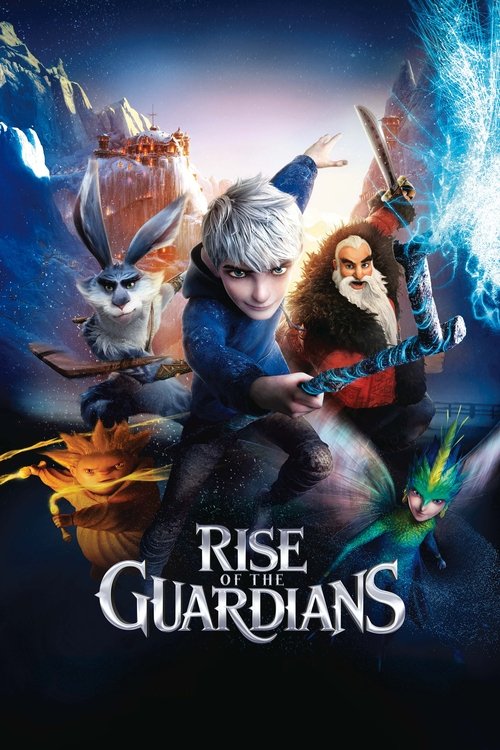
Rise of the Guardians
When an evil spirit known as Pitch lays down the gauntlet to take over the world, the immortal Guardians must join forces for the first time to protect the hopes, beliefs and imagination of children all over the world.
Despite a substantial budget of $145.0M, Rise of the Guardians became a commercial success, earning $306.9M worldwide—a 112% return.
14 wins & 32 nominations


Plot Structure
Story beats plotted across runtime


Narrative Arc
Emotional journey through the story's key moments
Story Circle
Blueprint 15-beat structure
Arcplot Score Breakdown
Weighted: Precision (70%) + Arc (15%) + Theme (15%)
Rise of the Guardians (2012) demonstrates strategically placed narrative design, characteristic of Peter Ramsey's storytelling approach. This structural analysis examines how the film's 15-point plot structure maps to proven narrative frameworks across 1 hour and 37 minutes. With an Arcplot score of 7.4, the film balances conventional beats with creative variation.
Characters
Cast & narrative archetypes

Jack Frost
Pitch Black
North
Bunnymund
Tooth
Sandy
Jamie Bennett
Main Cast & Characters
Jack Frost
Played by Chris Pine
A playful winter spirit seeking purpose and recognition, who has no memories of his past life and is invisible to children who don't believe in him.
Pitch Black
Played by Jude Law
The Nightmare King who feeds on children's fears and seeks to plunge the world into an age of darkness by destroying children's belief in the Guardians.
North
Played by Alec Baldwin
An enthusiastic, boisterous Russian-accented Santa Claus who leads the Guardians with wonder and serves as their de facto leader.
Bunnymund
Played by Hugh Jackman
The Easter Bunny, a confident Australian warrior rabbit who guards hope and initially clashes with Jack over his carefree attitude.
Tooth
Played by Isla Fisher
The Tooth Fairy, an energetic and nurturing guardian who protects children's memories stored in their teeth and becomes personally invested in helping Jack recover his past.
Sandy
Played by n/a
The Sandman, a silent and gentle dream-weaver who communicates through sand imagery and serves as the oldest and most powerful Guardian.
Jamie Bennett
Played by Dakota Goyo
A spirited young boy who becomes the last child to believe in the Guardians and helps Jack discover his purpose through unwavering faith.
Structural Analysis
The Status Quo at 1 minutes (1% through the runtime) establishes Jack Frost awakens from the frozen pond, invisible to the world, playing pranks and creating winter fun but deeply lonely as no one can see or believe in him.. Notably, this early placement immediately immerses viewers in the story world.
The inciting incident occurs at 11 minutes when North receives warning from the Man in the Moon that Pitch Black has returned and is threatening the children. An alarm sounds at North's workshop - danger is imminent.. At 12% through the film, this Disruption aligns precisely with traditional story structure. This beat shifts the emotional landscape, launching the protagonist into the central conflict.
The First Threshold at 24 minutes marks the transition into Act II, occurring at 25% of the runtime. This demonstrates the protagonist's commitment to Jack takes the oath and becomes an official Guardian, choosing to join the fight against Pitch despite his doubts. He commits to protecting the children, even though he doesn't yet understand his own center or purpose., moving from reaction to action.
At 47 minutes, the Midpoint arrives at 48% of the runtime—precisely centered, creating perfect narrative symmetry. Notably, this crucial beat False defeat: Pitch attacks Tooth's palace, kidnaps her fairies and Baby Tooth, and steals all the teeth containing children's memories - including Jack's. The stakes raise dramatically as children begin losing belief., fundamentally raising what's at risk. The emotional intensity shifts, dividing the narrative into clear before-and-after phases.
The Collapse moment at 72 minutes (74% through) represents the emotional nadir. Here, Sandy sacrifices himself to save the children, destroyed by Pitch's nightmare sand. The Guardian of Dreams dies. This is the lowest point - Jack loses his friend, belief is nearly gone, and the remaining Guardians are weakened and defeated., reveals the protagonist at their lowest point. This beat's placement in the final quarter sets up the climactic reversal.
The Second Threshold at 77 minutes initiates the final act resolution at 80% of the runtime. Jack recovers his memories and discovers his center: he died saving his sister, sacrificing himself to bring joy and protect others. He realizes his purpose is not to be seen, but to bring fun and wonder. Baby Tooth helps him escape and he returns to the Guardians with new resolve., demonstrating the transformation achieved throughout the journey.
Emotional Journey
Rise of the Guardians's emotional architecture traces a deliberate progression across 15 carefully calibrated beats.
Narrative Framework
This structural analysis employs proven narrative structure principles that track dramatic progression. By mapping Rise of the Guardians against these established plot points, we can identify how Peter Ramsey utilizes or subverts traditional narrative conventions. The plot point approach reveals not only adherence to structural principles but also creative choices that distinguish Rise of the Guardians within the animation genre.
Comparative Analysis
Additional animation films include The Bad Guys, Puss in Boots and Violet Evergarden: Eternity and the Auto Memory Doll.
Plot Points by Act
Act I
SetupStatus Quo
Jack Frost awakens from the frozen pond, invisible to the world, playing pranks and creating winter fun but deeply lonely as no one can see or believe in him.
Theme
The Man in the Moon's light falls on Jack. North later states the theme: "It is our job to watch over the children of the world - to bring wonder, hope, and dreams." The question: What is your center, your purpose?
Worldbuilding
Introduction to the Guardian world: North at his workshop, Tooth collecting teeth and memories, Bunny preparing for Easter, Sandy spreading good dreams. Meanwhile, Pitch Black emerges from the shadows, threatening children's belief.
Disruption
North receives warning from the Man in the Moon that Pitch Black has returned and is threatening the children. An alarm sounds at North's workshop - danger is imminent.
Resistance
The Guardians forcibly bring Jack to North's workshop. Jack resists joining them, claiming he's not Guardian material. North reveals the Man in the Moon has chosen Jack as the newest Guardian. Jack debates accepting, wanting answers about his past instead.
Act II
ConfrontationFirst Threshold
Jack takes the oath and becomes an official Guardian, choosing to join the fight against Pitch despite his doubts. He commits to protecting the children, even though he doesn't yet understand his own center or purpose.
Mirror World
Jack meets Jamie, a young boy who still believes. Through Jamie, we see the subplot about belief and wonder. Jamie represents what Jack is fighting for and mirrors Jack's own need to be believed in.
Premise
The fun of being a Guardian: Jack experiences Tooth's palace and learns about memories in teeth, participates in Easter egg preparation with Bunny, bonds with the other Guardians, and begins to understand the importance of their mission while searching for his own purpose.
Midpoint
False defeat: Pitch attacks Tooth's palace, kidnaps her fairies and Baby Tooth, and steals all the teeth containing children's memories - including Jack's. The stakes raise dramatically as children begin losing belief.
Opposition
The Guardians try to collect teeth themselves but struggle. Pitch sabotages Easter, turning the eggs into nightmare sand. Children stop believing - first in the Easter Bunny, then the Tooth Fairy. The Guardians grow weaker as belief fades. Jack's isolation deepens.
Collapse
Sandy sacrifices himself to save the children, destroyed by Pitch's nightmare sand. The Guardian of Dreams dies. This is the lowest point - Jack loses his friend, belief is nearly gone, and the remaining Guardians are weakened and defeated.
Crisis
The Guardians retreat to North's workshop in despair. They've lost belief, lost Sandy, and are fading. Jack, feeling responsible and isolated, leaves. Pitch tempts Jack with his memories, then reveals Jack's teeth and past.
Act III
ResolutionSecond Threshold
Jack recovers his memories and discovers his center: he died saving his sister, sacrificing himself to bring joy and protect others. He realizes his purpose is not to be seen, but to bring fun and wonder. Baby Tooth helps him escape and he returns to the Guardians with new resolve.
Synthesis
Jack rallies the Guardians with his newfound understanding. They make their final stand at Jamie's house. Jamie becomes the last believer and can finally see Jack. Together they inspire the other children to believe again, restoring the Guardians' power. They defeat Pitch, and Sandy is reborn from the children's dreams.
Transformation
Jack returns to the frozen pond where he was reborn, now understanding who he is. Jamie and the children can see him. Unlike the opening where he was invisible and alone, Jack is now believed in, has found his center, and belongs to a family of Guardians.