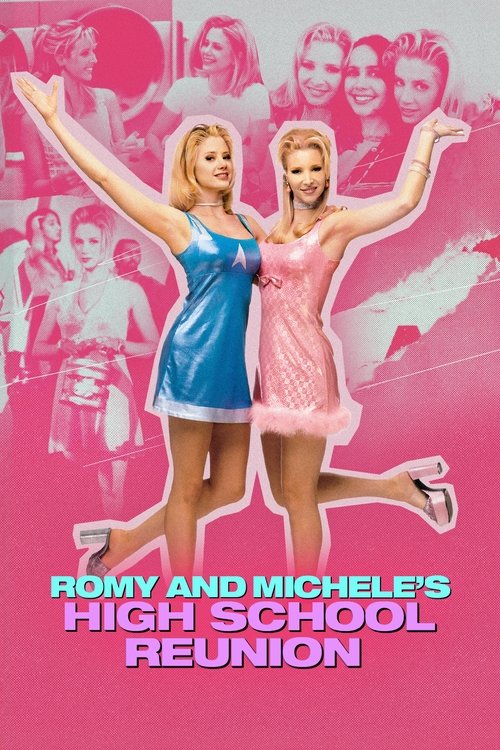
Romy and Michele's High School Reunion
Two not-too-bright party girls reinvent themselves for their high school reunion. Armed with a borrowed Jaguar, new clothes and the story of their success as the inventors of Post-It notes, Romy and Michele descend on their alma mater, but their façade crumbles quickly.
Working with a respectable budget of $20.0M, the film achieved a modest success with $29.2M in global revenue (+46% profit margin).


Plot Structure
Story beats plotted across runtime


Narrative Arc
Emotional journey through the story's key moments
Story Circle
Blueprint 15-beat structure
Arcplot Score Breakdown
Weighted: Precision (70%) + Arc (15%) + Theme (15%)
Romy and Michele's High School Reunion (1997) exhibits precise plot construction, characteristic of David Mirkin's storytelling approach. This structural analysis examines how the film's 15-point plot structure maps to proven narrative frameworks across 1 hour and 32 minutes. With an Arcplot score of 6.4, the film takes an unconventional approach to traditional narrative frameworks.
Characters
Cast & narrative archetypes

Romy White
Michele Weinberger
Heather Mooney
Christie Masters
Sandy Frink
Billy Christianson
Main Cast & Characters
Romy White
Played by Mira Sorvino
An optimistic, fashion-obsessed dreamer who lives in LA with her best friend and works a dead-end job. Insecure about her high school status, she fabricates success for her reunion.
Michele Weinberger
Played by Lisa Kudrow
Romy's sweet, quirky best friend who is even more naive and optimistic. She goes along with Romy's schemes and provides loyal support despite occasional hurt feelings.
Heather Mooney
Played by Janeane Garofalo
A bitter, chain-smoking outcast from high school who harbored resentment toward the popular girls. Now successful in business, she attends the reunion with sardonic detachment.
Christie Masters
Played by Julia Campbell
The quintessential mean girl and prom queen from high school who tormented Romy and Michele. Still superficial and status-obsessed, now married to her high school boyfriend.
Sandy Frink
Played by Alan Cumming
The nerdy outcast from high school who had an unrequited crush on Michele. Now a wealthy inventor, he remains socially awkward but kind-hearted and successful.
Billy Christianson
Played by Vincent Ventresca
The popular, attractive guy from high school who Romy had a crush on. Now divorced and working as a car salesman, less successful than his high school status suggested.
Structural Analysis
The Status Quo at 1 minutes (1% through the runtime) establishes Romy and Michele live together in Los Angeles, working dead-end jobs and spending their days exercising, watching TV, and going dancing. They're content but stuck in arrested development, their lives unchanged since high school.. Of particular interest, this early placement immediately immerses viewers in the story world.
The inciting incident occurs at 11 minutes when Heather Mooney calls to inform them about the 10-year high school reunion. This forces Romy and Michele to confront how little their lives have changed and how they still feel like the losers they were in high school.. At 11% through the film, this Disruption aligns precisely with traditional story structure. This beat shifts the emotional landscape, launching the protagonist into the central conflict.
The First Threshold at 22 minutes marks the transition into Act II, occurring at 24% of the runtime. This indicates the protagonist's commitment to Romy and Michele make the active choice to attend the reunion with a fabricated story: they will claim they invented Post-it notes. They buy business suits and a rental car to complete their transformation into fake successful businesswomen., moving from reaction to action.
At 45 minutes, the Midpoint arrives at 49% of the runtime—precisely centered, creating perfect narrative symmetry. Structural examination shows that this crucial beat Christie Masters and the A-group expose Romy and Michele's Post-it note lie, publicly humiliating them. This false defeat raises the stakes—the external validation they sought is now impossible, and their deception has backfired spectacularly., fundamentally raising what's at risk. The emotional intensity shifts, dividing the narrative into clear before-and-after phases.
The Collapse moment at 67 minutes (72% through) represents the emotional nadir. Here, Romy and Michele have a devastating fight and split up at the reunion. Alone and rejected by both their classmates and each other, they experience the "death" of their friendship—the one thing that truly mattered. Michele is left crying alone., shows the protagonist at their lowest point. This beat's placement in the final quarter sets up the climactic reversal.
The Second Threshold at 72 minutes initiates the final act resolution at 78% of the runtime. Romy and Michele reunite and reconcile, realizing their friendship is more important than impressing anyone. They embrace who they truly are—not losers, but best friends with a great life together. Sandy Frink also reveals his success and lingering feelings for Michele., demonstrating the transformation achieved throughout the journey.
Emotional Journey
Romy and Michele's High School Reunion's emotional architecture traces a deliberate progression across 15 carefully calibrated beats.
Narrative Framework
This structural analysis employs systematic plot point analysis that identifies crucial turning points. By mapping Romy and Michele's High School Reunion against these established plot points, we can identify how David Mirkin utilizes or subverts traditional narrative conventions. The plot point approach reveals not only adherence to structural principles but also creative choices that distinguish Romy and Michele's High School Reunion within the comedy genre.
David Mirkin's Structural Approach
Among the 2 David Mirkin films analyzed on Arcplot, the average structural score is 6.8, demonstrating varied approaches to story architecture. Romy and Michele's High School Reunion takes a more unconventional approach compared to the director's typical style. For comparative analysis, explore the complete David Mirkin filmography.
Comparative Analysis
Additional comedy films include The Bad Guys, Ella Enchanted and The Evening Star. For more David Mirkin analyses, see Heartbreakers.
Plot Points by Act
Act I
SetupStatus Quo
Romy and Michele live together in Los Angeles, working dead-end jobs and spending their days exercising, watching TV, and going dancing. They're content but stuck in arrested development, their lives unchanged since high school.
Theme
During their conversation about life and success, the underlying theme emerges: true friendship and self-acceptance matter more than external validation or impressing people who never valued you.
Worldbuilding
The film establishes Romy and Michele's codependent friendship, their LA lifestyle, their low-status jobs (cashier and unemployed), and flashbacks reveal their painful high school experiences being bullied by the popular A-group led by Christie Masters.
Disruption
Heather Mooney calls to inform them about the 10-year high school reunion. This forces Romy and Michele to confront how little their lives have changed and how they still feel like the losers they were in high school.
Resistance
Romy and Michele debate whether to attend the reunion, initially deciding not to go. They attempt self-improvement: dieting, job hunting, and finding boyfriends. After failures, they decide to lie about their success instead of actually changing.
Act II
ConfrontationFirst Threshold
Romy and Michele make the active choice to attend the reunion with a fabricated story: they will claim they invented Post-it notes. They buy business suits and a rental car to complete their transformation into fake successful businesswomen.
Mirror World
The road trip to Tucson deepens Romy and Michele's bond while also exposing the cracks in their friendship. Their relationship represents the thematic core: what matters is who truly loves you, not who you impress with lies.
Premise
The "fun and games" of the premise: Romy and Michele arrive at the reunion in their business suits, attempting to convince everyone they're successful. They tell the Post-it note lie and navigate encounters with former classmates, enjoying initial success with their deception.
Midpoint
Christie Masters and the A-group expose Romy and Michele's Post-it note lie, publicly humiliating them. This false defeat raises the stakes—the external validation they sought is now impossible, and their deception has backfired spectacularly.
Opposition
After being exposed, Romy and Michele turn on each other. Old resentments surface—Romy resents being the "cute" one's sidekick, Michele feels taken for granted. They argue about who's the Mary and who's the Rhoda, and their friendship fractures.
Collapse
Romy and Michele have a devastating fight and split up at the reunion. Alone and rejected by both their classmates and each other, they experience the "death" of their friendship—the one thing that truly mattered. Michele is left crying alone.
Crisis
Separated and miserable, both Romy and Michele realize how empty success or validation is without each other. Romy's attempt to flirt with Billy Christiansen (her high school crush) feels hollow. Michele sits alone, devastated.
Act III
ResolutionSecond Threshold
Romy and Michele reunite and reconcile, realizing their friendship is more important than impressing anyone. They embrace who they truly are—not losers, but best friends with a great life together. Sandy Frink also reveals his success and lingering feelings for Michele.
Synthesis
Romy and Michele return to the reunion together, no longer pretending to be something they're not. Sandy Frink arrives in a helicopter, having become a millionaire. The A-group is revealed to have mundane, unfulfilling lives. Romy and Michele dance triumphantly.
Transformation
Romy and Michele open their own fashion boutique in LA, designing the clothes they love. They're still best friends, still dancing, but now self-actualized and running a business together. They've transformed from pretending to be successful to actually being fulfilled.