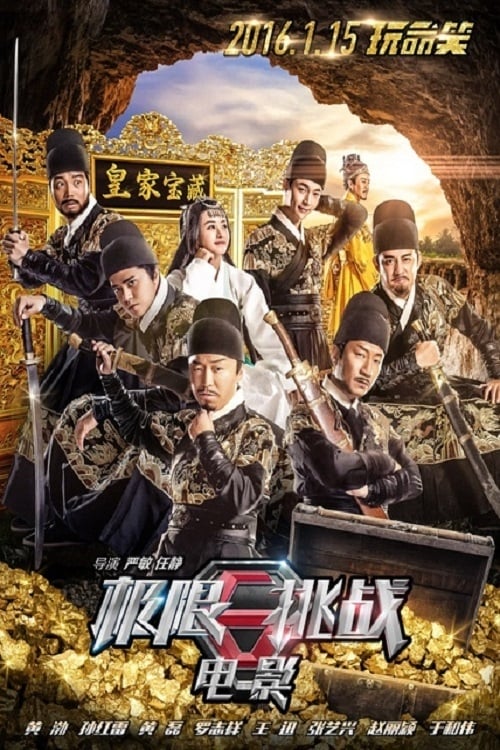
Royal Treasure
The film earned $186.7M at the global box office.
Plot Structure
Story beats plotted across runtime


Narrative Arc
Emotional journey through the story's key moments
Story Circle
Blueprint 15-beat structure
Structural Analysis
The Status Quo at 1 minutes (1% through the runtime) establishes The protagonist is introduced in their ordinary world, showing their current life situation and establishing what's missing or unfulfilled before the adventure begins.. Of particular interest, this early placement immediately immerses viewers in the story world.
The inciting incident occurs at 12 minutes when Discovery of a map, clue, or family secret about the royal treasure that disrupts the status quo and presents an opportunity for adventure and change.. At 10% through the film, this Disruption aligns precisely with traditional story structure. This beat shifts the emotional landscape, launching the protagonist into the central conflict.
The First Threshold at 25 minutes marks the transition into Act II, occurring at 21% of the runtime. This shows the protagonist's commitment to The protagonist makes an active choice to commit to the treasure hunt, embarking on the adventure and leaving their ordinary world behind - crossing into Act 2., moving from reaction to action.
At 50 minutes, the Midpoint arrives at 42% of the runtime—significantly early, compressing the first half. Structural examination shows that this crucial beat A major discovery or false victory - finding a significant clue or getting close to the treasure, but stakes are raised as antagonists close in or new complications emerge., fundamentally raising what's at risk. The emotional intensity shifts, dividing the narrative into clear before-and-after phases.
The Collapse moment at 75 minutes (63% through) represents the emotional nadir. Here, The treasure seems lost, a betrayal occurs, the team splits apart, or a mentor/ally is endangered - the darkest moment where the goal appears impossible and something metaphorically dies., demonstrates the protagonist at their lowest point. This beat's placement in the final quarter sets up the climactic reversal.
The Second Threshold at 80 minutes initiates the final act resolution at 67% of the runtime. A revelation about the treasure's location or true nature, or synthesis of clues that provides clarity - the protagonist combines lessons learned with original skills for the final push., demonstrating the transformation achieved throughout the journey.
Emotional Journey
Royal Treasure's emotional architecture traces a deliberate progression across 15 carefully calibrated beats.
Narrative Framework
This structural analysis employs a 15-point narrative structure framework that maps key story moments. By mapping Royal Treasure against these established plot points, we can identify how the filmmaker utilizes or subverts traditional narrative conventions. The plot point approach reveals not only adherence to structural principles but also creative choices that distinguish Royal Treasure within its genre.
Plot Points by Act
Act I
SetupStatus Quo
The protagonist is introduced in their ordinary world, showing their current life situation and establishing what's missing or unfulfilled before the adventure begins.
Theme
A supporting character states the thematic premise about the true meaning of treasure, family legacy, or what truly matters in life - foreshadowing the protagonist's journey.
Worldbuilding
The setup period establishes the protagonist's relationships, their connection to royal history or treasure hunting legacy, daily struggles, and the world's rules before disruption.
Disruption
Discovery of a map, clue, or family secret about the royal treasure that disrupts the status quo and presents an opportunity for adventure and change.
Resistance
The protagonist debates whether to pursue the treasure, gathers information, possibly meets a mentor figure, and prepares for the journey while dealing with doubts and obstacles.
Act II
ConfrontationFirst Threshold
The protagonist makes an active choice to commit to the treasure hunt, embarking on the adventure and leaving their ordinary world behind - crossing into Act 2.
Mirror World
Introduction of a key relationship or partnership that will carry the theme - possibly a love interest, ally, or companion who represents what the protagonist needs to learn.
Premise
The fun of the treasure hunt - following clues, solving puzzles, exploring exotic locations, and experiencing the adventure the audience came to see.
Midpoint
A major discovery or false victory - finding a significant clue or getting close to the treasure, but stakes are raised as antagonists close in or new complications emerge.
Opposition
Pressure intensifies as rivals pursue the same treasure, dangers multiply, the protagonist's flaws create problems, and everything becomes more difficult as they race toward the goal.
Collapse
The treasure seems lost, a betrayal occurs, the team splits apart, or a mentor/ally is endangered - the darkest moment where the goal appears impossible and something metaphorically dies.
Crisis
The protagonist processes the loss, reflects on what they've learned, and contemplates giving up before finding renewed purpose in the true meaning of the quest.
Act III
ResolutionSecond Threshold
A revelation about the treasure's location or true nature, or synthesis of clues that provides clarity - the protagonist combines lessons learned with original skills for the final push.
Synthesis
The finale - the protagonist executes the plan, confronts the antagonist at the treasure site, resolves conflicts, and discovers what the royal treasure truly represents.
Transformation
The closing image mirrors the opening but shows transformation - the protagonist has found the real treasure (wisdom, family, love, purpose) and is fundamentally changed.