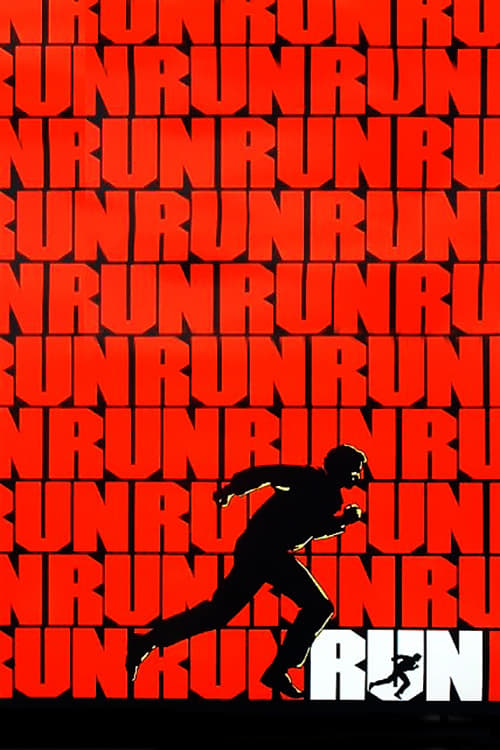
Run
When a law student accidentally kills the son of a mob boss in a fight, he finds himself relentlessly pursued by the mob and the police.
The film commercial failure against its moderate budget of $16.0M, earning $4.4M globally (-72% loss). While initial box office returns were modest, the film has gained appreciation for its compelling narrative within the action genre.
Plot Structure
Story beats plotted across runtime


Narrative Arc
Emotional journey through the story's key moments
Story Circle
Blueprint 15-beat structure
Arcplot Score Breakdown
Weighted: Precision (70%) + Arc (15%) + Theme (15%)
Run (1991) demonstrates precise plot construction, characteristic of Geoff Burrowes's storytelling approach. This structural analysis examines how the film's 15-point plot structure maps to proven narrative frameworks across 1 hour and 31 minutes. With an Arcplot score of 7.4, the film balances conventional beats with creative variation.
Characters
Cast & narrative archetypes

Charlie Farrow
Karen Landers
Matt Farrow
Denny Halloran
Main Cast & Characters
Charlie Farrow
Played by Patrick Dempsey
A law student who accidentally kills a mobster's son and becomes a fugitive on the run
Karen Landers
Played by Kelly Preston
A casino worker who helps Charlie escape and becomes his unlikely ally
Matt Farrow
Played by Ken Pogue
Charlie's younger brother who gets caught up in the dangerous situation
Denny Halloran
Played by Sean McCann
A corrupt cop working for the mob who pursues Charlie relentlessly
Structural Analysis
The Status Quo at 1 minutes (1% through the runtime) establishes Charlie Farrow, a Boston law student, drives to New Jersey to visit his girlfriend Karen. He's confident, ordinary, unprepared for violence—living a safe, privileged life.. Structural examination shows that this early placement immediately immerses viewers in the story world.
The inciting incident occurs at 10 minutes when At a casino or social event, Charlie is confronted by David, the violent son of mob boss Augustine. After David attacks him, Charlie kills David in self-defense, witnessed by corrupt cops on the mob payroll.. At 11% through the film, this Disruption aligns precisely with traditional story structure. This beat shifts the emotional landscape, launching the protagonist into the central conflict.
The First Threshold at 23 minutes marks the transition into Act II, occurring at 25% of the runtime. This indicates the protagonist's commitment to Charlie makes the active choice to run and survive on his own. He abandons his safe life, his girlfriend, and his future to flee into the streets, becoming a fugitive. Act One ends., moving from reaction to action.
At 46 minutes, the Midpoint arrives at 50% of the runtime—precisely centered, creating perfect narrative symmetry. Notably, this crucial beat False defeat: Charlie is nearly captured or discovers the full extent of the conspiracy against him—the mob's reach includes high-level officials. Stakes raise dramatically. He realizes he can't just run; he must fight back. Time clock intensifies., fundamentally raising what's at risk. The emotional intensity shifts, dividing the narrative into clear before-and-after phases.
The Collapse moment at 67 minutes (74% through) represents the emotional nadir. Here, Charlie is cornered, beaten, and seemingly out of options. A potential ally is killed (whiff of death), or he's captured by the corrupt cops. His hope of proving his innocence or escaping appears dead. Physical and emotional low point., indicates the protagonist at their lowest point. This beat's placement in the final quarter sets up the climactic reversal.
The Second Threshold at 72 minutes initiates the final act resolution at 80% of the runtime. Charlie discovers evidence that can expose the corrupt cops, or receives help from an honest cop/authority figure. He synthesizes his law knowledge with his newfound survival skills. He chooses to stop running and confront his pursuers directly., demonstrating the transformation achieved throughout the journey.
Emotional Journey
Run's emotional architecture traces a deliberate progression across 15 carefully calibrated beats.
Narrative Framework
This structural analysis employs structural analysis methodology used to understand storytelling architecture. By mapping Run against these established plot points, we can identify how Geoff Burrowes utilizes or subverts traditional narrative conventions. The plot point approach reveals not only adherence to structural principles but also creative choices that distinguish Run within the action genre.
Comparative Analysis
Additional action films include The Bad Guys, Puss in Boots and Venom: The Last Dance.
Plot Points by Act
Act I
SetupStatus Quo
Charlie Farrow, a Boston law student, drives to New Jersey to visit his girlfriend Karen. He's confident, ordinary, unprepared for violence—living a safe, privileged life.
Theme
Karen or her father mentions that "sometimes good people get caught up in bad situations" or discusses the difference between legal guilt and moral innocence, foreshadowing Charlie's predicament.
Worldbuilding
Charlie arrives at Karen's family home, meets her wealthy parents. Establishment of his relationship with Karen, his law school background, and the upper-middle-class suburban New Jersey setting. Tension with Karen's father about Charlie's future.
Disruption
At a casino or social event, Charlie is confronted by David, the violent son of mob boss Augustine. After David attacks him, Charlie kills David in self-defense, witnessed by corrupt cops on the mob payroll.
Resistance
Charlie realizes the cops are corrupt and working for the mob. He debates whether to turn himself in or run. Attempts to get help from Karen and her father fail. He's hunted by both police and mobsters who want him dead.
Act II
ConfrontationFirst Threshold
Charlie makes the active choice to run and survive on his own. He abandons his safe life, his girlfriend, and his future to flee into the streets, becoming a fugitive. Act One ends.
Mirror World
Charlie encounters a streetwise character or unexpected ally (possibly a homeless person, street kid, or criminal) who represents the opposite of his privileged world and teaches him survival skills.
Premise
The chase thriller delivers on its promise: extended pursuit sequences through urban environments. Charlie uses intelligence over strength, evading both mob hitmen and corrupt police. Car chases, foot pursuits, narrow escapes. He learns to survive outside his comfort zone.
Midpoint
False defeat: Charlie is nearly captured or discovers the full extent of the conspiracy against him—the mob's reach includes high-level officials. Stakes raise dramatically. He realizes he can't just run; he must fight back. Time clock intensifies.
Opposition
The mob closes in from all sides. Corrupt Detective Dobbs tightens the net. Charlie's allies are threatened or killed. His exhaustion grows. Every escape route closes. The hunters become more ruthless and coordinated in their pursuit.
Collapse
Charlie is cornered, beaten, and seemingly out of options. A potential ally is killed (whiff of death), or he's captured by the corrupt cops. His hope of proving his innocence or escaping appears dead. Physical and emotional low point.
Crisis
Charlie processes his desperation. Brief moment of darkness where he contemplates giving up. He reflects on what he's learned about survival, justice, and his own strength. The law student must become a fighter.
Act III
ResolutionSecond Threshold
Charlie discovers evidence that can expose the corrupt cops, or receives help from an honest cop/authority figure. He synthesizes his law knowledge with his newfound survival skills. He chooses to stop running and confront his pursuers directly.
Synthesis
Final confrontation with mob boss Augustine and corrupt Detective Dobbs. Charlie uses intelligence and evidence to turn the tables. Climactic action sequence where he must survive one final assault. Justice is served, truth exposed, corrupt officials arrested.
Transformation
Charlie, now hardened and changed by his ordeal, reunites with Karen or returns to his life. The privileged law student has become a survivor who understands the gap between law and justice. Visual mirror of opening—same setting, different man.