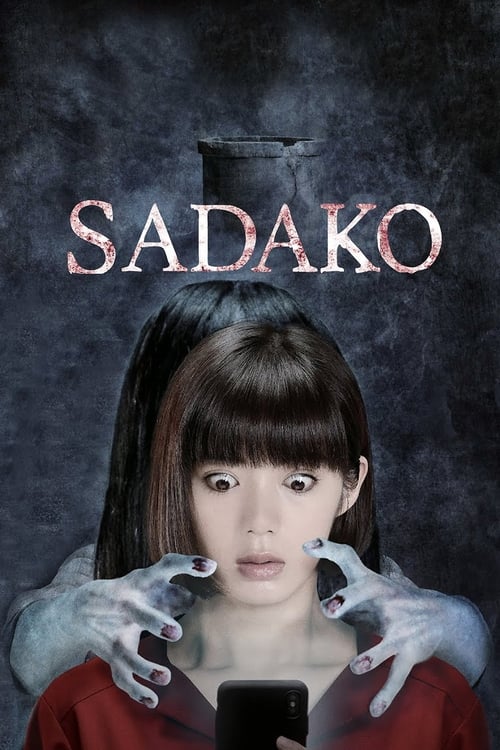
Sadako
A psychologist connects her missing brother to the strange case of a mysterious little girl believed to be Sadako reincarnated.
The film earned $5.6M at the global box office.
Plot Structure
Story beats plotted across runtime


Narrative Arc
Emotional journey through the story's key moments
Story Circle
Blueprint 15-beat structure
Arcplot Score Breakdown
Weighted: Precision (70%) + Arc (15%) + Theme (15%)
Sadako (2019) showcases strategically placed plot construction, characteristic of Hideo Nakata's storytelling approach. This structural analysis examines how the film's 15-point plot structure maps to proven narrative frameworks across 1 hour and 39 minutes. With an Arcplot score of 7.3, the film balances conventional beats with creative variation.
Structural Analysis
The Status Quo at 1 minutes (1% through the runtime) establishes Mayu works as a counselor at a psychiatric hospital, living an ordinary but purposeful life helping troubled patients. She is compassionate but emotionally guarded, maintaining professional distance.. The analysis reveals that this early placement immediately immerses viewers in the story world.
The inciting incident occurs at 13 minutes when The catatonic girl suddenly awakens and displays supernatural abilities, terrifying the hospital staff. Mayu witnesses unexplainable phenomena that shatter her rational understanding of the world.. At 13% through the film, this Disruption is delayed, allowing extended setup of the story world. This beat shifts the emotional landscape, launching the protagonist into the central conflict.
The First Threshold at 25 minutes marks the transition into Act II, occurring at 25% of the runtime. This illustrates the protagonist's commitment to Mayu makes the active choice to protect the girl and investigate the curse's origin, despite warnings. She commits to entering the world of the supernatural, crossing a point of no return., moving from reaction to action.
At 50 minutes, the Midpoint arrives at 51% of the runtime—precisely centered, creating perfect narrative symmetry. The analysis reveals that this crucial beat False defeat: Mayu discovers the horrifying truth that the girl is not just possessed by Sadako but may BE Sadako reborn. The stakes raise dramatically - this isn't about breaking a curse but stopping a resurrection. The threat becomes personal and immediate., fundamentally raising what's at risk. The emotional intensity shifts, dividing the narrative into clear before-and-after phases.
The Collapse moment at 75 minutes (76% through) represents the emotional nadir. Here, Kazuma is killed by Sadako, and Mayu faces the death of hope - she cannot save the girl, cannot break the curse, and has lost her ally. The "whiff of death" is literal as Mayu confronts her own mortality and the futility of fighting an eternal evil., reveals the protagonist at their lowest point. This beat's placement in the final quarter sets up the climactic reversal.
The Second Threshold at 79 minutes initiates the final act resolution at 80% of the runtime. Mayu realizes that the only way to fight Sadako is through self-sacrifice and confronting the curse directly. She synthesizes her compassion (from the Mirror World) with her newfound understanding of the supernatural, choosing courage over survival., demonstrating the transformation achieved throughout the journey.
Emotional Journey
Sadako's emotional architecture traces a deliberate progression across 15 carefully calibrated beats.
Narrative Framework
This structural analysis employs systematic plot point analysis that identifies crucial turning points. By mapping Sadako against these established plot points, we can identify how Hideo Nakata utilizes or subverts traditional narrative conventions. The plot point approach reveals not only adherence to structural principles but also creative choices that distinguish Sadako within the horror genre.
Hideo Nakata's Structural Approach
Among the 5 Hideo Nakata films analyzed on Arcplot, the average structural score is 7.3, reflecting strong command of classical structure. Sadako represents one of the director's most structurally precise works. For comparative analysis, explore the complete Hideo Nakata filmography.
Comparative Analysis
Additional horror films include Lake Placid, A Nightmare on Elm Street and Cat's Eye. For more Hideo Nakata analyses, see Ring, Ring 2 and Death Note: L Change the WorLd.
Plot Points by Act
Act I
SetupStatus Quo
Mayu works as a counselor at a psychiatric hospital, living an ordinary but purposeful life helping troubled patients. She is compassionate but emotionally guarded, maintaining professional distance.
Theme
A colleague mentions that "some curses can't be broken, only passed on" - foreshadowing the central question of whether one can escape inherited evil or if trauma perpetuates across generations.
Worldbuilding
Mayu's work at the hospital is established, along with her relationship to a mysterious catatonic girl. We learn about the girl's brother and the urban legend of a cursed video. The rules of this world - both psychiatric care and supernatural threat - are laid out.
Disruption
The catatonic girl suddenly awakens and displays supernatural abilities, terrifying the hospital staff. Mayu witnesses unexplainable phenomena that shatter her rational understanding of the world.
Resistance
Mayu debates whether to investigate or stay away. She reluctantly researches the cursed video and Sadako's history. She meets the girl's brother Kazuma, who becomes a potential ally. Mayu resists getting deeply involved but is drawn in by compassion and curiosity.
Act II
ConfrontationFirst Threshold
Mayu makes the active choice to protect the girl and investigate the curse's origin, despite warnings. She commits to entering the world of the supernatural, crossing a point of no return.
Mirror World
Mayu's developing relationship with Kazuma introduces the thematic mirror - he represents someone also trying to save a loved one from an inherited curse. Their bond explores whether human connection can overcome supernatural evil.
Premise
The "fun and games" of a J-horror film: investigating Sadako's origins, experiencing escalating supernatural encounters, uncovering the connection between the girl and Sadako. Mayu and Kazuma follow clues about Sadako's rebirth and the video's evolution.
Midpoint
False defeat: Mayu discovers the horrifying truth that the girl is not just possessed by Sadako but may BE Sadako reborn. The stakes raise dramatically - this isn't about breaking a curse but stopping a resurrection. The threat becomes personal and immediate.
Opposition
Sadako's power grows stronger. People around Mayu die in increasingly terrible ways. Mayu and Kazuma are hunted. Every attempt to stop the curse fails. The supernatural force closes in, and Mayu's compassion for the girl becomes a dangerous liability.
Collapse
Kazuma is killed by Sadako, and Mayu faces the death of hope - she cannot save the girl, cannot break the curse, and has lost her ally. The "whiff of death" is literal as Mayu confronts her own mortality and the futility of fighting an eternal evil.
Crisis
Mayu processes her darkest moment, facing despair. She mourns Kazuma and contemplates giving up. In this darkness, she must decide whether to flee or make a final stand against Sadako.
Act III
ResolutionSecond Threshold
Mayu realizes that the only way to fight Sadako is through self-sacrifice and confronting the curse directly. She synthesizes her compassion (from the Mirror World) with her newfound understanding of the supernatural, choosing courage over survival.
Synthesis
The finale: Mayu confronts Sadako in a climactic supernatural battle. She attempts to sever the curse at its source, using her knowledge of Sadako's trauma and rage. The final confrontation tests whether human will can overcome perpetual evil.
Transformation
The closing image reveals ambiguity: Sadako may be contained but not destroyed, suggesting the curse endures. Mayu has transformed from naive compassion to hardened survivor, but at great cost. The cycle of trauma continues, mirroring the Status Quo but darker.