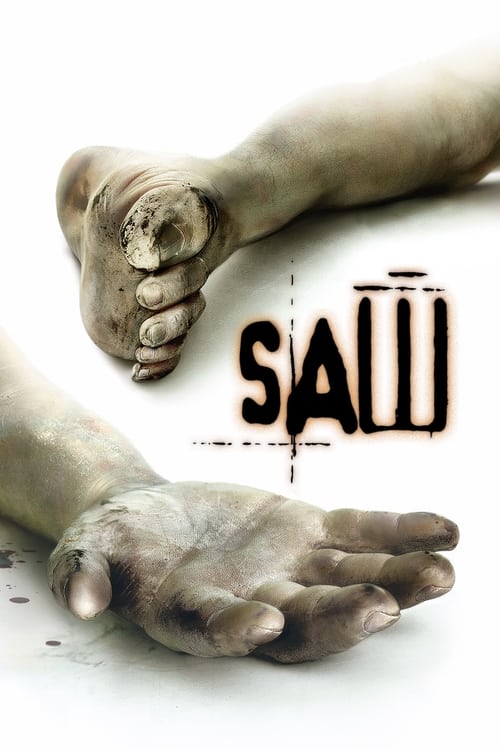
Saw
Two men wake up to find themselves shackled in a grimy, abandoned bathroom. As they struggle to comprehend their predicament, they discover a disturbing tape left behind by the sadistic mastermind known as Jigsaw. With a chilling voice and cryptic instructions, Jigsaw informs them that they must partake in a gruesome game in order to secure their freedom.
Despite its tight budget of $1.2M, Saw became a box office phenomenon, earning $104.0M worldwide—a remarkable 8570% return. The film's bold vision engaged audiences, proving that strong storytelling can transcend budget limitations.
9 wins & 10 nominations


Plot Structure
Story beats plotted across runtime


Narrative Arc
Emotional journey through the story's key moments
Story Circle
Blueprint 15-beat structure
Arcplot Score Breakdown
Weighted: Precision (70%) + Arc (15%) + Theme (15%)
Saw (2004) reveals meticulously timed plot construction, characteristic of James Wan's storytelling approach. This structural analysis examines how the film's 15-point plot structure maps to proven narrative frameworks across 1 hour and 43 minutes. With an Arcplot score of 7.1, the film balances conventional beats with creative variation.
Characters
Cast & narrative archetypes

Dr. Lawrence Gordon
Adam Stanheight
John Kramer / Jigsaw
Detective David Tapp
Amanda Young
Detective Steven Sing
Zep Hindle
Main Cast & Characters
Dr. Lawrence Gordon
Played by Cary Elwes
A successful oncologist who wakes up chained in a bathroom, forced to play Jigsaw's deadly game to save his family.
Adam Stanheight
Played by Leigh Whannell
A photographer who wakes up chained opposite Dr. Gordon, gradually revealing his connection to the larger game.
John Kramer / Jigsaw
Played by Tobin Bell
The mastermind behind the elaborate death traps, a terminally ill engineer who believes he's teaching people to appreciate life.
Detective David Tapp
Played by Danny Glover
An obsessed detective investigating the Jigsaw case who becomes personally entangled in the killer's game.
Amanda Young
Played by Shawnee Smith
A former victim who survived Jigsaw's reverse bear trap, haunted by her experience and connected to his mission.
Detective Steven Sing
Played by Ken Leung
Tapp's partner who follows protocol and attempts to rein in his partner's obsession with the case.
Zep Hindle
Played by Michael Emerson
A hospital orderly who appears to be working for Jigsaw, holding Dr. Gordon's family hostage.
Structural Analysis
The Status Quo at 1 minutes (1% through the runtime) establishes Dr. Lawrence Gordon and Adam wake up chained in a decrepit bathroom with a corpse between them, establishing their trapped state and immediate terror.. The analysis reveals that this early placement immediately immerses viewers in the story world.
The inciting incident occurs at 13 minutes when Gordon discovers the instructions: he must kill Adam by 6:00 or his wife and daughter will die. The "game" rules are fully revealed, escalating stakes from survival to murder.. At 12% through the film, this Disruption aligns precisely with traditional story structure. This beat shifts the emotional landscape, launching the protagonist into the central conflict.
The First Threshold at 26 minutes marks the transition into Act II, occurring at 26% of the runtime. This demonstrates the protagonist's commitment to Gordon attempts to cut through his chain with the hacksaw and realizes the saws are meant for their feet, not the chains. Active choice to commit to finding another way out., moving from reaction to action.
At 53 minutes, the Midpoint arrives at 51% of the runtime—precisely centered, creating perfect narrative symmetry. The analysis reveals that this crucial beat Gordon realizes Adam has been photographing him - false defeat as trust collapses. The mysterious Zep is revealed watching Gordon's family, raising stakes dramatically., fundamentally raising what's at risk. The emotional intensity shifts, dividing the narrative into clear before-and-after phases.
The Collapse moment at 77 minutes (74% through) represents the emotional nadir. Here, The clock strikes 6:00. Gordon's wife and daughter are attacked by Zep. Gordon believes his family is dead, reaching absolute despair - the whiff of death., shows the protagonist at their lowest point. This beat's placement in the final quarter sets up the climactic reversal.
The Second Threshold at 84 minutes initiates the final act resolution at 82% of the runtime. Gordon saws off his foot and shoots Adam, seemingly completing Jigsaw's game. The realization that following instructions might save his family drives the finale., demonstrating the transformation achieved throughout the journey.
Emotional Journey
Saw's emotional architecture traces a deliberate progression across 15 carefully calibrated beats.
Narrative Framework
This structural analysis employs proven narrative structure principles that track dramatic progression. By mapping Saw against these established plot points, we can identify how James Wan utilizes or subverts traditional narrative conventions. The plot point approach reveals not only adherence to structural principles but also creative choices that distinguish Saw within the horror genre.
James Wan's Structural Approach
Among the 10 James Wan films analyzed on Arcplot, the average structural score is 7.0, reflecting strong command of classical structure. Saw represents one of the director's most structurally precise works. For comparative analysis, explore the complete James Wan filmography.
Comparative Analysis
Additional horror films include Thinner, A Nightmare on Elm Street and Mary Reilly. For more James Wan analyses, see Furious 7, Insidious and Dead Silence.
Plot Points by Act
Act I
SetupStatus Quo
Dr. Lawrence Gordon and Adam wake up chained in a decrepit bathroom with a corpse between them, establishing their trapped state and immediate terror.
Theme
The tape recorder message introduces Jigsaw's philosophy: "Most people are so ungrateful to be alive. But not you. Not anymore." Theme of appreciating life through suffering.
Worldbuilding
Flashbacks introduce Detective Tapp's obsession with the Jigsaw case, previous victims, and the rules of Jigsaw's games. Establishes Gordon's family and Adam's life as a photographer.
Disruption
Gordon discovers the instructions: he must kill Adam by 6:00 or his wife and daughter will die. The "game" rules are fully revealed, escalating stakes from survival to murder.
Resistance
Gordon and Adam debate their options, search for escape routes, and piece together clues. Flashbacks show Tapp and Sing investigating Jigsaw's previous traps, serving as cautionary guides.
Act II
ConfrontationFirst Threshold
Gordon attempts to cut through his chain with the hacksaw and realizes the saws are meant for their feet, not the chains. Active choice to commit to finding another way out.
Mirror World
Flashback reveals Amanda Young, a previous Jigsaw survivor who escaped the reverse bear trap. She represents the possibility of survival through self-sacrifice and life appreciation.
Premise
Gordon and Adam work together solving puzzles, uncovering clues in the bathroom. Parallel investigation by Tapp. The "fun" of piecing together Jigsaw's identity and testing their ingenuity.
Midpoint
Gordon realizes Adam has been photographing him - false defeat as trust collapses. The mysterious Zep is revealed watching Gordon's family, raising stakes dramatically.
Opposition
Paranoia escalates between Gordon and Adam. Zep prepares to kill Gordon's family. Time runs out as 6:00 approaches. Tapp's obsession leads to his partner's death and his own disgrace.
Collapse
The clock strikes 6:00. Gordon's wife and daughter are attacked by Zep. Gordon believes his family is dead, reaching absolute despair - the whiff of death.
Crisis
In desperation and darkness, Gordon processes the loss. Adam panics as Gordon makes the horrific choice to saw off his own foot to reach his family.
Act III
ResolutionSecond Threshold
Gordon saws off his foot and shoots Adam, seemingly completing Jigsaw's game. The realization that following instructions might save his family drives the finale.
Synthesis
Zep enters but is killed by Adam. Gordon crawls away for help. The corpse in the room stands up - revealed as Jigsaw himself. Final trap springs: Adam is left alone, chained in darkness.
Transformation
Jigsaw leaves Adam screaming in the sealed bathroom. "Game Over." The closing image: total isolation and the ultimate horror of being left to die slowly, contrasting with opening confusion.