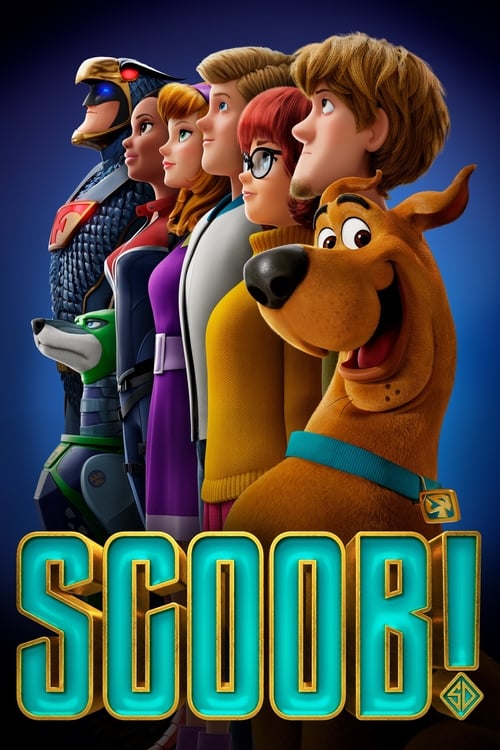
Scoob!
In Scooby-Doo’s greatest adventure yet, see the never-before told story of how lifelong friends Scooby and Shaggy first met and how they joined forces with young detectives Fred, Velma, and Daphne to form the famous Mystery Inc. Now, with hundreds of cases solved, Scooby and the gang face their biggest, toughest mystery ever: an evil plot to unleash the ghost dog Cerberus upon the world. As they race to stop this global “dogpocalypse,” the gang discovers that Scooby has a secret legacy and an epic destiny greater than anyone ever imagined.
The film financial setback against its considerable budget of $90.0M, earning $28.6M globally (-68% loss). While initial box office returns were modest, the film has gained appreciation for its unique voice within the animation genre.


Plot Structure
Story beats plotted across runtime


Narrative Arc
Emotional journey through the story's key moments
Story Circle
Blueprint 15-beat structure
Arcplot Score Breakdown
Weighted: Precision (70%) + Arc (15%) + Theme (15%)
Scoob! (2020) demonstrates meticulously timed plot construction, characteristic of Tony Cervone's storytelling approach. This structural analysis examines how the film's 15-point plot structure maps to proven narrative frameworks across 1 hour and 33 minutes. With an Arcplot score of 7.6, the film showcases strong structural fundamentals.
Characters
Cast & narrative archetypes

Scooby-Doo
Shaggy Rogers
Fred Jones
Daphne Blake
Velma Dinkley
Blue Falcon
Dynomutt
Dick Dastardly
Main Cast & Characters
Scooby-Doo
Played by Frank Welker
A cowardly but loyal Great Dane who loves food and his best friend Shaggy. Despite his fears, he steps up when his friends need him.
Shaggy Rogers
Played by Will Forte
Scooby's inseparable best friend, a laid-back slacker who values friendship above all. Struggles with self-worth but proves his loyalty.
Fred Jones
Played by Zac Efron
The confident and enthusiastic leader of Mystery Inc. Obsessed with traps and solving mysteries with his team.
Daphne Blake
Played by Amanda Seyfried
The fashionable and resourceful member of Mystery Inc. Strong-willed and capable, she supports the team with intelligence and courage.
Velma Dinkley
Played by Gina Rodriguez
The brilliant and analytical brains of Mystery Inc. Her intelligence and problem-solving skills are essential to the team's success.
Blue Falcon
Played by Mark Wahlberg
A washed-up superhero trying to reclaim his glory days. Insecure and fame-hungry, but grows to value real heroism and teamwork.
Dynomutt
Played by Ken Jeong
Blue Falcon's loyal robotic dog sidekick. Optimistic, enthusiastic, and supportive despite his partner's flaws.
Dick Dastardly
Played by Jason Isaacs
The villainous mastermind seeking to open the gates of the Underworld. Obsessed with reuniting with his lost dog Muttley.
Structural Analysis
The Status Quo at 1 minutes (1% through the runtime) establishes Young Shaggy is alone and lonely on Halloween night, unable to afford a costume, wandering the streets of Venice Beach. This establishes his core want: belonging and friendship.. The analysis reveals that this early placement immediately immerses viewers in the story world.
The inciting incident occurs at 10 minutes when At a bowling alley investor meeting with Simon Cowell, Fred, Daphne, and Velma are offered a spot in a new mystery-solving business, but Shaggy and Scooby are excluded as "not talented enough." The gang is torn apart.. At 11% through the film, this Disruption aligns precisely with traditional story structure. This beat shifts the emotional landscape, launching the protagonist into the central conflict.
The First Threshold at 22 minutes marks the transition into Act II, occurring at 23% of the runtime. This indicates the protagonist's commitment to Shaggy and Scooby actively choose to join Blue Falcon's mission to stop Dick Dastardly, hoping to prove they're heroes without the rest of Mystery Inc. This is their decision to enter the "superhero world."., moving from reaction to action.
At 45 minutes, the Midpoint arrives at 49% of the runtime—precisely centered, creating perfect narrative symmetry. Structural examination shows that this crucial beat Dick Dastardly captures Scooby at the amusement park. False defeat: Shaggy loses his best friend, and the stakes are raised when they learn Scooby is the final "key" to opening the gates to the Underworld. The fun is over., fundamentally raising what's at risk. The emotional intensity shifts, dividing the narrative into clear before-and-after phases.
The Collapse moment at 67 minutes (72% through) represents the emotional nadir. Here, The Underworld opens and Scooby is pulled inside along with Dastardly. Shaggy believes he's lost Scooby forever - a metaphorical death of their friendship and literal potential death for Scooby. All seems lost., indicates the protagonist at their lowest point. This beat's placement in the final quarter sets up the climactic reversal.
The Second Threshold at 73 minutes initiates the final act resolution at 79% of the runtime. Shaggy realizes the solution: he doesn't need to be a traditional hero - his loyalty and love for Scooby ARE his heroic qualities. The gang fully reunites with renewed appreciation for each member's unique value. They dive into the Underworld together., demonstrating the transformation achieved throughout the journey.
Emotional Journey
Scoob!'s emotional architecture traces a deliberate progression across 15 carefully calibrated beats.
Narrative Framework
This structural analysis employs proven narrative structure principles that track dramatic progression. By mapping Scoob! against these established plot points, we can identify how Tony Cervone utilizes or subverts traditional narrative conventions. The plot point approach reveals not only adherence to structural principles but also creative choices that distinguish Scoob! within the animation genre.
Comparative Analysis
Additional animation films include The Bad Guys, Puss in Boots and Violet Evergarden: Eternity and the Auto Memory Doll.
Plot Points by Act
Act I
SetupStatus Quo
Young Shaggy is alone and lonely on Halloween night, unable to afford a costume, wandering the streets of Venice Beach. This establishes his core want: belonging and friendship.
Theme
Young Fred tells Shaggy "You're part of the team now" when they form Mystery Inc. The theme: true friendship means accepting people as they are, not trying to change them.
Worldbuilding
Montage shows Mystery Inc. growing up together solving mysteries. Flash forward to present day where the gang is established but struggling financially. They're best friends but Shaggy and Scooby feel undervalued.
Disruption
At a bowling alley investor meeting with Simon Cowell, Fred, Daphne, and Velma are offered a spot in a new mystery-solving business, but Shaggy and Scooby are excluded as "not talented enough." The gang is torn apart.
Resistance
Shaggy and Scooby leave hurt and angry. They're abducted by the Blue Falcon's ship. Meanwhile, Fred, Daphne, and Velma debate whether they made the right choice. Dick Dastardly is introduced as the villain seeking the skulls of Cerberus.
Act II
ConfrontationFirst Threshold
Shaggy and Scooby actively choose to join Blue Falcon's mission to stop Dick Dastardly, hoping to prove they're heroes without the rest of Mystery Inc. This is their decision to enter the "superhero world."
Mirror World
Brian (Blue Falcon) represents the thematic mirror - he's also trying to prove himself worthy of his legacy, just like Shaggy wants to prove his worth. Dee Dee and Dynomutt complete this new "team" dynamic.
Premise
The "fun and games" of Shaggy and Scooby on superhero adventures with Blue Falcon. They travel to find the skulls, have action sequences, comedic moments. Meanwhile, Fred, Daphne, and Velma track them down, realizing they need the whole gang.
Midpoint
Dick Dastardly captures Scooby at the amusement park. False defeat: Shaggy loses his best friend, and the stakes are raised when they learn Scooby is the final "key" to opening the gates to the Underworld. The fun is over.
Opposition
The gang reunites but tensions remain. Shaggy is desperate to save Scooby. They must work together but old wounds resurface. Dastardly gets closer to his goal, taking Scooby to the Underworld portal. Time is running out.
Collapse
The Underworld opens and Scooby is pulled inside along with Dastardly. Shaggy believes he's lost Scooby forever - a metaphorical death of their friendship and literal potential death for Scooby. All seems lost.
Crisis
Shaggy processes his darkest moment, realizing that his insecurity about not being "enough" drove him to push away his real friends. He must accept who he is to save Scooby and restore the gang.
Act III
ResolutionSecond Threshold
Shaggy realizes the solution: he doesn't need to be a traditional hero - his loyalty and love for Scooby ARE his heroic qualities. The gang fully reunites with renewed appreciation for each member's unique value. They dive into the Underworld together.
Synthesis
The finale battle in the Underworld. Mystery Inc. works as a complete team, each using their unique skills. Shaggy saves Scooby by being himself. They defeat Dastardly, close the portal, and escape. Dastardly's motivation (saving his dog Muttley) is revealed, adding complexity.
Transformation
Mystery Inc. is back together, now in their own headquarters with global recognition. But more importantly, they all accept each other fully - Shaggy and Scooby are valued as essential members. The image mirrors the Status Quo but shows growth: Shaggy belongs, not despite who he is, but because of it.