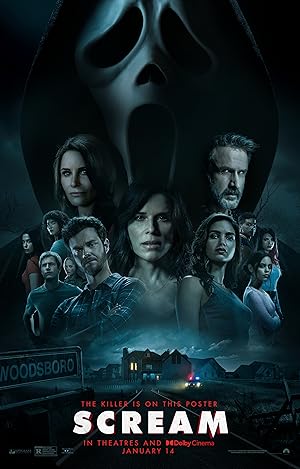
Scream
Like the original movie 25 years ago, a cute teenage girl is at home alone when the phone rings. A man wants to play a game with her. With the threat of killing her best friend, Tara's forced to play along. She barely survives the ghost face masked intruder's stabbing. Her 5 year older sister, Sam(antha), who left home at 18 due to mental problems, Sam's boyfriend and Tara's high school friends visit her at the hospital. Later on in a bar, a guy provokes the friends and is later attacked outside in the parking lot by Ghostface. Sam receives a call from him at the hospital and then he unsuccessfully attacks her. She later reveals family secrets to her sister. Sam contacts one of the original victims, Dewey, for help. He warns two other original victims, Sidney Prescott and Gale Weathers, about Ghostface being back. Who is Ghostface? How many more must die?
Despite a respectable budget of $24.0M, Scream became a solid performer, earning $137.7M worldwide—a 474% return.
5 wins & 20 nominations


Plot Structure
Story beats plotted across runtime


Narrative Arc
Emotional journey through the story's key moments
Story Circle
Blueprint 15-beat structure
Arcplot Score Breakdown
Weighted: Precision (70%) + Arc (15%) + Theme (15%)
Scream (2022) showcases precise narrative architecture, characteristic of Tyler Gillett's storytelling approach. This structural analysis examines how the film's 15-point plot structure maps to proven narrative frameworks across 1 hour and 54 minutes. With an Arcplot score of 7.2, the film balances conventional beats with creative variation.
Structural Analysis
The Status Quo at 1 minutes (1% through the runtime) establishes Tara Carpenter alone at home, texting with friends about scary movies. A seemingly normal night in Woodsboro for a new generation, before terror returns.. Notably, this early placement immediately immerses viewers in the story world.
The inciting incident occurs at 13 minutes when Tara is brutally attacked by Ghostface in the opening sequence. She survives but is hospitalized, breaking the franchise tradition and signaling this is a new kind of Scream story.. At 12% through the film, this Disruption aligns precisely with traditional story structure. This beat shifts the emotional landscape, launching the protagonist into the central conflict.
The First Threshold at 30 minutes marks the transition into Act II, occurring at 27% of the runtime. This demonstrates the protagonist's commitment to Sam decides to stay in Woodsboro and face the killer, actively choosing to protect her sister and confront her legacy rather than run. The group commits to finding Ghostface together., moving from reaction to action.
At 58 minutes, the Midpoint arrives at 50% of the runtime—precisely centered, creating perfect narrative symmetry. The analysis reveals that this crucial beat Dewey is killed by Ghostface after saving Sam and Richie at the hospital. The stakes raise dramatically - if a legacy character can die, anyone can. The fun and games are over., fundamentally raising what's at risk. The emotional intensity shifts, dividing the narrative into clear before-and-after phases.
The Collapse moment at 86 minutes (75% through) represents the emotional nadir. Here, The group is lured to Amber's house (Stu Macher's old house). Sam is isolated and attacked. Sidney is shot. The килlers seem to have won, separating and overpowering the survivors., shows the protagonist at their lowest point. This beat's placement in the final quarter sets up the climactic reversal.
The Second Threshold at 92 minutes initiates the final act resolution at 81% of the runtime. The killers reveal themselves: Amber and Richie, toxic fans who want to create a "real" Stab movie. Sam realizes she must embrace her father's legacy - not to become a killer, but to have the ruthlessness to survive., demonstrating the transformation achieved throughout the journey.
Emotional Journey
Scream's emotional architecture traces a deliberate progression across 15 carefully calibrated beats.
Narrative Framework
This structural analysis employs a 15-point narrative structure framework that maps key story moments. By mapping Scream against these established plot points, we can identify how Tyler Gillett utilizes or subverts traditional narrative conventions. The plot point approach reveals not only adherence to structural principles but also creative choices that distinguish Scream within the horror genre.
Tyler Gillett's Structural Approach
Among the 3 Tyler Gillett films analyzed on Arcplot, the average structural score is 7.0, demonstrating varied approaches to story architecture. Scream represents one of the director's most structurally precise works. For comparative analysis, explore the complete Tyler Gillett filmography.
Comparative Analysis
Additional horror films include Thinner, A Nightmare on Elm Street and Mary Reilly. For more Tyler Gillett analyses, see Devil's Due, Abigail.
Plot Points by Act
Act I
SetupStatus Quo
Tara Carpenter alone at home, texting with friends about scary movies. A seemingly normal night in Woodsboro for a new generation, before terror returns.
Theme
The stranger on the phone asks Tara about "elevated horror" versus traditional slashers, establishing the film's meta-commentary on legacy, toxic fandom, and what it means to honor the past versus exploit it.
Worldbuilding
Introduction to the new generation of Woodsboro teens and their connection to the original survivors. Sam Carpenter is estranged from her sister Tara, living away to escape her dark family secret. The friend group includes Amber, Mindy, Chad, Liv, and Wes.
Disruption
Tara is brutally attacked by Ghostface in the opening sequence. She survives but is hospitalized, breaking the franchise tradition and signaling this is a new kind of Scream story.
Resistance
Sam returns to Woodsboro with boyfriend Richie. She reveals to Tara her dark secret: she's the daughter of Billy Loomis. The group debates who could be behind the attacks and whether they should leave town or stay to protect each other.
Act II
ConfrontationFirst Threshold
Sam decides to stay in Woodsboro and face the killer, actively choosing to protect her sister and confront her legacy rather than run. The group commits to finding Ghostface together.
Mirror World
Dewey Riley returns, connecting the new generation to the original survivors. His relationship with Sam becomes the thematic mirror - both are trying to escape their past but must embrace it to survive.
Premise
The "requel" premise plays out: meta-commentary on legacy sequels, rules of surviving a Scream movie, interviews with suspects, and classic Ghostface phone calls. Mindy explains the rules. Attacks continue, eliminating suspects and raising paranoia.
Midpoint
Dewey is killed by Ghostface after saving Sam and Richie at the hospital. The stakes raise dramatically - if a legacy character can die, anyone can. The fun and games are over.
Opposition
Gale and Sidney return to help. The killer escalates attacks, the body count rises, and Sam's connection to Billy Loomis becomes central. Her hallucinations of her father intensify. Trust within the group fractures as everyone becomes a suspect.
Collapse
The group is lured to Amber's house (Stu Macher's old house). Sam is isolated and attacked. Sidney is shot. The килlers seem to have won, separating and overpowering the survivors.
Crisis
Sam confronts her darkest fear: that she's destined to be a killer like her father. The legacy survivors are wounded. The friend group is decimated. Everything appears lost.
Act III
ResolutionSecond Threshold
The killers reveal themselves: Amber and Richie, toxic fans who want to create a "real" Stab movie. Sam realizes she must embrace her father's legacy - not to become a killer, but to have the ruthlessness to survive.
Synthesis
The finale: Sam, Tara, Sidney, and Gale fight back against Amber and Richie. Sam channels her dark heritage to overpower the killers. Tara shoots Amber, Sam kills Richie, combining the legacy survivors' wisdom with new generation brutality.
Transformation
Sam and Tara leave in the ambulance together, reunited and stronger. Sam has accepted her legacy without being defined by it. The new generation has survived, honoring the past while forging their own path.