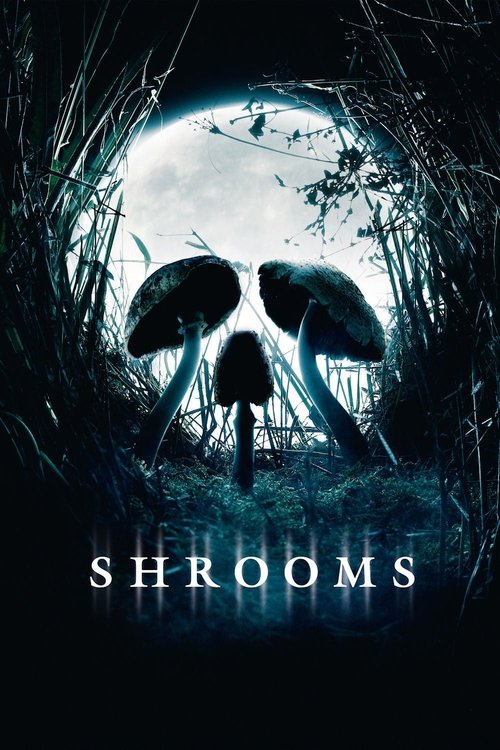
Shrooms
A group of American teens comes to Ireland to visit a friend who takes them on a camping trip in search of the local, fabled magic mushrooms. When the psychedelics start taking hold, the panicked friends are attacked by ghostly creatures; but how can they determine whether what they are experiencing is reality or hallucination?
The film earned $4.9M at the global box office.


Plot Structure
Story beats plotted across runtime


Narrative Arc
Emotional journey through the story's key moments
Story Circle
Blueprint 15-beat structure
Arcplot Score Breakdown
Weighted: Precision (70%) + Arc (15%) + Theme (15%)
Shrooms (2007) exemplifies deliberately positioned story structure, characteristic of Paddy Breathnach's storytelling approach. This structural analysis examines how the film's 15-point plot structure maps to proven narrative frameworks across 1 hour and 24 minutes. With an Arcplot score of 7.2, the film balances conventional beats with creative variation.
Characters
Cast & narrative archetypes

Tara
Jake
Bluto
Holly
Troy
Lisa
Ernie
Main Cast & Characters
Tara
Played by Lindsey Haun
American student who travels to Ireland seeking magic mushrooms with her friends, becomes the primary target of dark forces after consuming a rare death cap mushroom
Jake
Played by Jack Huston
Tara's boyfriend, protective and practical-minded American who tries to keep the group safe during their hallucinogenic nightmare
Bluto
Played by Robert Hoffman
The loud, obnoxious joker of the group who provides comic relief but whose recklessness contributes to the escalating danger
Holly
Played by Maya Hazen
Bluto's girlfriend, materialistic and vain, struggles to survive the terrifying ordeal in the Irish woods
Troy
Played by Max Kasch
Quiet, introspective member of the group with his own secrets and vulnerabilities that emerge under the influence
Lisa
Played by Alice Greczyn
Troy's twin brother, sensitive and dealing with personal trauma, becomes increasingly unstable during the trip
Ernie
Played by Sean McGinley
Local Irish guide who leads the group to the remote mushroom location, knowledgeable but harboring dark intentions
Structural Analysis
The Status Quo at 1 minutes (1% through the runtime) establishes American college students Tara, Jake, and friends arrive in Ireland for a mushroom-picking camping trip, establishing their youthful optimism and adventure-seeking nature before the horror begins.. Significantly, this early placement immediately immerses viewers in the story world.
The inciting incident occurs at 10 minutes when Tara accidentally eats a rare and highly toxic "Deathcap" mushroom, triggering powerful hallucinations and visions of death that will blur the line between reality and nightmare.. At 12% through the film, this Disruption aligns precisely with traditional story structure. This beat shifts the emotional landscape, launching the protagonist into the central conflict.
The First Threshold at 21 minutes marks the transition into Act II, occurring at 25% of the runtime. This reveals the protagonist's commitment to The group decides to stay in the woods despite the disturbing signs and consume the psychedelic mushrooms, actively choosing to enter an altered state that will trap them in a nightmare they cannot escape., moving from reaction to action.
At 42 minutes, the Midpoint arrives at 50% of the runtime—precisely centered, creating perfect narrative symmetry. The analysis reveals that this crucial beat A major death occurs or the group discovers evidence of a real threat (possibly the deformed local or cult presence), raising the stakes and making it clear this is not just a bad trip but genuine mortal danger., fundamentally raising what's at risk. The emotional intensity shifts, dividing the narrative into clear before-and-after phases.
The Collapse moment at 63 minutes (75% through) represents the emotional nadir. Here, Jake dies or Tara's closest ally is killed, representing the death of hope and safety. Tara is left alone or nearly alone, facing the ultimate horror of her visions coming true., shows the protagonist at their lowest point. This beat's placement in the final quarter sets up the climactic reversal.
The Second Threshold at 67 minutes initiates the final act resolution at 80% of the runtime. Tara realizes the truth about the mushrooms, the threat, or her own role in the nightmare. She understands what she must do to survive or accept the horrifying reality of what has occurred., demonstrating the transformation achieved throughout the journey.
Emotional Journey
Shrooms's emotional architecture traces a deliberate progression across 15 carefully calibrated beats.
Narrative Framework
This structural analysis employs proven narrative structure principles that track dramatic progression. By mapping Shrooms against these established plot points, we can identify how Paddy Breathnach utilizes or subverts traditional narrative conventions. The plot point approach reveals not only adherence to structural principles but also creative choices that distinguish Shrooms within the horror genre.
Comparative Analysis
Additional horror films include Thinner, A Nightmare on Elm Street and Mary Reilly.
Plot Points by Act
Act I
SetupStatus Quo
American college students Tara, Jake, and friends arrive in Ireland for a mushroom-picking camping trip, establishing their youthful optimism and adventure-seeking nature before the horror begins.
Theme
Jake or another character mentions the dangers of eating the wrong mushrooms and how perception can become reality, foreshadowing the film's exploration of reality versus hallucination.
Worldbuilding
The group sets up camp in the remote Irish forest, establishes their relationships and dynamics, and learns about the local legends of psychedelic mushrooms and the area's dark history.
Disruption
Tara accidentally eats a rare and highly toxic "Deathcap" mushroom, triggering powerful hallucinations and visions of death that will blur the line between reality and nightmare.
Resistance
The group debates whether Tara's visions are real or hallucinations, while strange occurrences begin around the camp. They struggle with whether to leave or continue their trip, dismissing early warning signs.
Act II
ConfrontationFirst Threshold
The group decides to stay in the woods despite the disturbing signs and consume the psychedelic mushrooms, actively choosing to enter an altered state that will trap them in a nightmare they cannot escape.
Mirror World
Tara's connection with Jake deepens as her prophetic visions intensify, establishing the emotional core that will be tested as she sees horrific premonitions of her friends' deaths.
Premise
The horror premise unfolds as the group experiences increasingly terrifying hallucinations and real threats. Members begin disappearing or dying in gruesome ways, fulfilling Tara's visions while paranoia and distrust fracture the group.
Midpoint
A major death occurs or the group discovers evidence of a real threat (possibly the deformed local or cult presence), raising the stakes and making it clear this is not just a bad trip but genuine mortal danger.
Opposition
The surviving friends turn on each other as trust disintegrates. Tara's visions prove increasingly accurate as more friends die. The boundary between hallucination and reality collapses completely, trapping them in psychological and physical terror.
Collapse
Jake dies or Tara's closest ally is killed, representing the death of hope and safety. Tara is left alone or nearly alone, facing the ultimate horror of her visions coming true.
Crisis
Tara confronts the darkest depths of her psychological breakdown, questioning what is real and whether she herself is responsible for the deaths, experiencing profound isolation and terror.
Act III
ResolutionSecond Threshold
Tara realizes the truth about the mushrooms, the threat, or her own role in the nightmare. She understands what she must do to survive or accept the horrifying reality of what has occurred.
Synthesis
The final confrontation unfolds as Tara faces the true source of horror—whether external threat or her own fractured mind. The climax reveals the twisted reality behind the hallucinations and deaths.
Transformation
The final twist reveals the true nature of events—likely that Tara herself committed the murders while hallucinating, or that she never escaped at all. Her innocence and sanity are destroyed, showing complete psychological transformation through trauma.