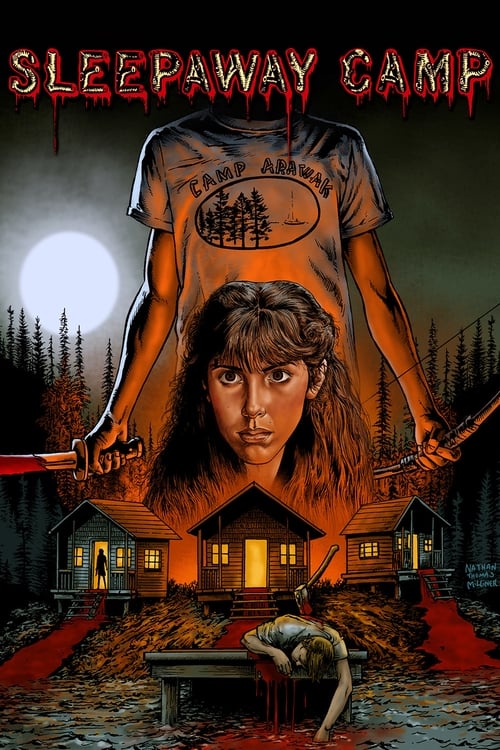
Sleepaway Camp
Years after a terrible boating accident, Angela is sent to Camp Arawak where a series of bizarre and violent "accidents" begin to claim the lives of various campers.
Despite its minimal budget of $350K, Sleepaway Camp became a commercial juggernaut, earning $11.0M worldwide—a remarkable 3043% return. The film's bold vision found its audience, demonstrating that strong storytelling can transcend budget limitations.


Plot Structure
Story beats plotted across runtime


Narrative Arc
Emotional journey through the story's key moments
Story Circle
Blueprint 15-beat structure
Arcplot Score Breakdown
Weighted: Precision (70%) + Arc (15%) + Theme (15%)
Sleepaway Camp (1983) demonstrates carefully calibrated narrative design, characteristic of Robert Hiltzik's storytelling approach. This structural analysis examines how the film's 15-point plot structure maps to proven narrative frameworks across 1 hour and 25 minutes. With an Arcplot score of 7.2, the film balances conventional beats with creative variation.
Characters
Cast & narrative archetypes

Angela Baker
Ricky Thomas
Paul
Aunt Martha
Meg
Ronnie Angelo
Mel Costic
Main Cast & Characters
Angela Baker
Played by Felissa Rose
Shy, traumatized teenager sent to summer camp after surviving a boating accident that killed her family. Eerily quiet and withdrawn throughout the camp experience.
Ricky Thomas
Played by Jonathan Tiersten
Angela's protective cousin who defends her against bullies and tries to help her adjust to camp life.
Paul
Played by Christopher Collet
Kind-hearted camper who takes a romantic interest in Angela and shows her genuine compassion.
Aunt Martha
Played by Desiree Gould
Angela and Ricky's eccentric, domineering guardian who raised Angela after the accident. Unstable and overbearing.
Meg
Played by Katherine Kamhi
Popular, mean-spirited camper who bullies Angela and competes for Paul's attention.
Ronnie Angelo
Played by Paul DeAngelo
Head counselor at Camp Arawak who attempts to maintain order as mysterious deaths occur.
Mel Costic
Played by Mike Kellin
Camp owner obsessed with the camp's reputation, dismissive of safety concerns and cruel to Angela.
Structural Analysis
The Status Quo at 1 minutes (1% through the runtime) establishes Young Angela enjoys a carefree summer day at the lake with her father and brother Peter, representing innocent childhood before tragedy strikes.. The analysis reveals that this early placement immediately immerses viewers in the story world.
The inciting incident occurs at 10 minutes when The first death occurs when perverted cook Ben drowns in a vat of boiling water after attempting to molest Angela, beginning the camp's descent into terror.. At 12% through the film, this Disruption aligns precisely with traditional story structure. This beat shifts the emotional landscape, launching the protagonist into the central conflict.
The First Threshold at 20 minutes marks the transition into Act II, occurring at 24% of the runtime. This shows the protagonist's commitment to Angela actively chooses to engage with camp life by accepting Paul's romantic interest, stepping out of her protective silence and beginning to participate in camp activities., moving from reaction to action.
At 43 minutes, the Midpoint arrives at 50% of the runtime—precisely centered, creating perfect narrative symmetry. Of particular interest, this crucial beat MEG, a counselor, is murdered with a knife in the shower. Stakes raise dramatically as the killer grows bolder, striking at authority figures, and the camp owner downplays danger to avoid closing., fundamentally raising what's at risk. The emotional intensity shifts, dividing the narrative into clear before-and-after phases.
The Collapse moment at 64 minutes (75% through) represents the emotional nadir. Here, Judy, Angela's primary tormentor, is found murdered. The death toll reaches its peak and camp counselors begin to realize the full scope of danger as the body count becomes undeniable., reveals the protagonist at their lowest point. This beat's placement in the final quarter sets up the climactic reversal.
The Second Threshold at 69 minutes initiates the final act resolution at 81% of the runtime. Paul, frustrated by Angela's refusal of intimacy, tries to force himself on her and becomes aggressive, triggering Angela's final psychological break and sealing his fate., demonstrating the transformation achieved throughout the journey.
Emotional Journey
Sleepaway Camp's emotional architecture traces a deliberate progression across 15 carefully calibrated beats.
Narrative Framework
This structural analysis employs a 15-point narrative structure framework that maps key story moments. By mapping Sleepaway Camp against these established plot points, we can identify how Robert Hiltzik utilizes or subverts traditional narrative conventions. The plot point approach reveals not only adherence to structural principles but also creative choices that distinguish Sleepaway Camp within the horror genre.
Comparative Analysis
Additional horror films include Thinner, A Nightmare on Elm Street and Mary Reilly.
Plot Points by Act
Act I
SetupStatus Quo
Young Angela enjoys a carefree summer day at the lake with her father and brother Peter, representing innocent childhood before tragedy strikes.
Theme
Aunt Martha discusses how Angela must face her fears and adapt to the world, foreshadowing themes of identity, trauma, and the masks we wear to survive.
Worldbuilding
Introduction to Camp Arawak: the counselors, campers, social hierarchies, and Angela's withdrawn behavior. Cousin Ricky tries to protect the traumatized, silent Angela from bullies.
Disruption
The first death occurs when perverted cook Ben drowns in a vat of boiling water after attempting to molest Angela, beginning the camp's descent into terror.
Resistance
Angela slowly begins interacting with kind camper Paul who shows genuine interest in her. Meanwhile, bullying intensifies from Judy and her clique, and mysterious accidents continue.
Act II
ConfrontationFirst Threshold
Angela actively chooses to engage with camp life by accepting Paul's romantic interest, stepping out of her protective silence and beginning to participate in camp activities.
Mirror World
Angela and Paul's innocent romance blossoms, providing a relationship that mirrors normal teenage development and highlighting the contrast with Angela's hidden trauma and identity.
Premise
Classic summer camp slasher unfolds: deaths escalate, suspects emerge, camp activities continue, Angela's relationship with Paul deepens while bullying from Judy intensifies.
Midpoint
MEG, a counselor, is murdered with a knife in the shower. Stakes raise dramatically as the killer grows bolder, striking at authority figures, and the camp owner downplays danger to avoid closing.
Opposition
The killer becomes more aggressive and creative with murders. Suspicion falls on various campers including Ricky. Angela faces increased pressure from Paul for physical intimacy she cannot provide.
Collapse
Judy, Angela's primary tormentor, is found murdered. The death toll reaches its peak and camp counselors begin to realize the full scope of danger as the body count becomes undeniable.
Crisis
Camp descends into chaos as authorities investigate. Angela withdraws further as Paul pressures her sexually. Ricky is suspected and confronted. The fragile normalcy completely shatters.
Act III
ResolutionSecond Threshold
Paul, frustrated by Angela's refusal of intimacy, tries to force himself on her and becomes aggressive, triggering Angela's final psychological break and sealing his fate.
Synthesis
The climactic revelation sequence: counselors search for missing campers, discover Paul's body, and finally find Angela on the beach in the film's iconic shocking finale.
Transformation
Angela is revealed to be Peter, the brother who survived the boat accident. Aunt Martha raised him as a girl to replace her lost niece, creating a killer born from forced identity and trauma.