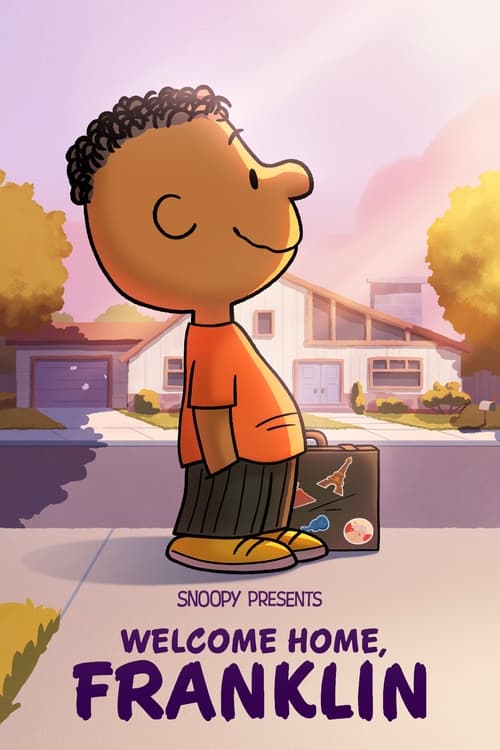
Snoopy Presents: Welcome Home, Franklin
Newcomer Franklin has trouble fitting in with the Peanuts gang. When he learns about a Soap Box Derby race, he's sure that winning the race will also mean winning over new friends.


Plot Structure
Story beats plotted across runtime


Narrative Arc
Emotional journey through the story's key moments
Story Circle
Blueprint 15-beat structure
Characters
Cast & narrative archetypes

Franklin Armstrong
Charlie Brown
Snoopy
Lucy van Pelt
Linus van Pelt
Peppermint Patty
Main Cast & Characters
Franklin Armstrong
Played by Caleb Bellavance
A thoughtful and kind newcomer to the neighborhood navigating friendship and belonging in a new community.
Charlie Brown
Played by Ethan Pugiotto
The eternally optimistic underdog who befriends Franklin and helps him feel welcome.
Snoopy
Played by Terry McGurrin
Charlie Brown's imaginative beagle who provides comic relief and unexpected wisdom.
Lucy van Pelt
Played by Isabella Leo
The bossy and confident girl who runs a psychiatric booth and often challenges others.
Linus van Pelt
Played by Wyatt White
Lucy's philosophical younger brother who carries his security blanket and offers sage advice.
Peppermint Patty
Played by Natasha Nathan
An athletic and outgoing girl who becomes one of Franklin's friends.
Structural Analysis
The Status Quo at 1 minutes (1% through the runtime) establishes Franklin unpacks in his new bedroom, looking at photos of his old friends and life. He's nervous about starting over in a new town where he doesn't know anyone.. Structural examination shows that this early placement immediately immerses viewers in the story world.
The inciting incident occurs at 5 minutes when Franklin's soccer ball rolls into the sandlot where Charlie Brown and the gang are playing. When he approaches to retrieve it, he's met with awkward stares and uncertainty, making him feel unwelcome.. At 13% through the film, this Disruption is delayed, allowing extended setup of the story world. This beat shifts the emotional landscape, launching the protagonist into the central conflict.
The First Threshold at 10 minutes marks the transition into Act II, occurring at 26% of the runtime. This indicates the protagonist's commitment to Franklin actively decides to join the Peanuts gang at the sandlot when Charlie Brown formally invites him to play baseball. Franklin accepts and steps onto the field, committing to being part of the group., moving from reaction to action.
At 21 minutes, the Midpoint arrives at 51% of the runtime—precisely centered, creating perfect narrative symmetry. Notably, this crucial beat During a group activity, differences emerge and Franklin feels like an outsider again. A misunderstanding or cultural difference highlights that acceptance isn't automatic, raising the stakes of whether he truly belongs., fundamentally raising what's at risk. The emotional intensity shifts, dividing the narrative into clear before-and-after phases.
The Collapse moment at 30 minutes (74% through) represents the emotional nadir. Here, Franklin decides he doesn't belong and prepares to withdraw from the group entirely. He feels the death of his hope for real friendship and acceptance in this new town., demonstrates the protagonist at their lowest point. This beat's placement in the final quarter sets up the climactic reversal.
The Second Threshold at 32 minutes initiates the final act resolution at 79% of the runtime. Charlie Brown reaches out to Franklin, and Franklin realizes that true friendship means being yourself and that his differences are what make him valuable to the group. He chooses to return and be authentic., demonstrating the transformation achieved throughout the journey.
Emotional Journey
Snoopy Presents: Welcome Home, Franklin's emotional architecture traces a deliberate progression across 15 carefully calibrated beats.
Narrative Framework
This structural analysis employs proven narrative structure principles that track dramatic progression. By mapping Snoopy Presents: Welcome Home, Franklin against these established plot points, we can identify how Raymond S. Persi utilizes or subverts traditional narrative conventions. The plot point approach reveals not only adherence to structural principles but also creative choices that distinguish Snoopy Presents: Welcome Home, Franklin within the animation genre.
Comparative Analysis
Additional animation films include The Bad Guys, Puss in Boots and Violet Evergarden: Eternity and the Auto Memory Doll.
Plot Points by Act
Act I
SetupStatus Quo
Franklin unpacks in his new bedroom, looking at photos of his old friends and life. He's nervous about starting over in a new town where he doesn't know anyone.
Theme
Franklin's grandfather tells him, "Sometimes the best friends are the ones you haven't met yet." This establishes the theme of belonging and finding your place in a new community.
Worldbuilding
Franklin explores his new neighborhood, observes the Peanuts gang from afar playing baseball and flying kites. He feels like an outsider watching their established friendships and activities.
Disruption
Franklin's soccer ball rolls into the sandlot where Charlie Brown and the gang are playing. When he approaches to retrieve it, he's met with awkward stares and uncertainty, making him feel unwelcome.
Resistance
Franklin hesitates about trying to join the group. Snoopy becomes curious about him, and Charlie Brown debates whether to invite this new kid to join their activities. Franklin considers staying isolated versus taking a risk.
Act II
ConfrontationFirst Threshold
Franklin actively decides to join the Peanuts gang at the sandlot when Charlie Brown formally invites him to play baseball. Franklin accepts and steps onto the field, committing to being part of the group.
Mirror World
Franklin bonds with Charlie Brown, who shares his own experiences of feeling like he doesn't quite fit in. Their friendship begins to form, showing Franklin he's not alone in his insecurities.
Premise
Franklin experiences the fun of being part of the Peanuts gang: playing baseball, attending school together, joining activities. He participates in their various adventures and begins to feel like he belongs.
Midpoint
During a group activity, differences emerge and Franklin feels like an outsider again. A misunderstanding or cultural difference highlights that acceptance isn't automatic, raising the stakes of whether he truly belongs.
Opposition
Tensions build as Franklin struggles to fully integrate. Some kids question whether he fits in with their group. Franklin's own doubts resurface, and he pulls away from the friendships he was building.
Collapse
Franklin decides he doesn't belong and prepares to withdraw from the group entirely. He feels the death of his hope for real friendship and acceptance in this new town.
Crisis
Franklin sits alone, processing his feelings of rejection and difference. He reflects on his grandfather's words and what friendship really means, wrestling with whether to give up or try again.
Act III
ResolutionSecond Threshold
Charlie Brown reaches out to Franklin, and Franklin realizes that true friendship means being yourself and that his differences are what make him valuable to the group. He chooses to return and be authentic.
Synthesis
Franklin rejoins the gang and brings his unique perspective to help solve a problem they're facing. The group celebrates their differences and Franklin is fully accepted as an essential member of the Peanuts gang.
Transformation
Franklin sits confidently with the entire Peanuts gang, laughing and belonging. He hangs a photo of his new friends next to his old friends, showing he's found his place while staying true to himself.