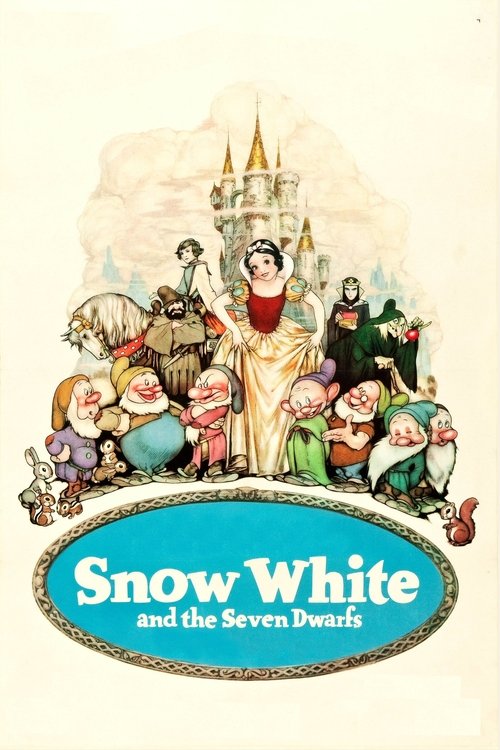
Snow White and the Seven Dwarfs
Despite its small-scale budget of $1.5M, Snow White and the Seven Dwarfs became a massive hit, earning $184.9M worldwide—a remarkable 12324% return. The film's bold vision connected with viewers, illustrating how strong storytelling can transcend budget limitations.


Plot Structure
Story beats plotted across runtime


Narrative Arc
Emotional journey through the story's key moments
Story Circle
Blueprint 15-beat structure
Characters
Cast & narrative archetypes

Snow White
The Evil Queen
The Prince
Doc
Grumpy
Main Cast & Characters
Snow White
Played by Adriana Caselotti
A pure-hearted princess fleeing her jealous stepmother, who finds refuge with seven dwarfs in the forest.
The Evil Queen
Played by Lucille La Verne
A vain and jealous queen who becomes consumed with being the fairest in the land, willing to murder to achieve it.
The Prince
Played by Harry Stockwell
A charming prince who falls in love with Snow White and awakens her with true love's kiss.
Doc
Played by Roy Atwell
The leader of the seven dwarfs, somewhat pompous but caring and organized.
Grumpy
Played by Pinto Colvig
The cynical and resistant dwarf who initially distrusts Snow White but grows to care for her deeply.
Structural Analysis
The Status Quo at 1 minutes (1% through the runtime) establishes Snow White is revealed as a scullery maid in rags, scrubbing the castle steps while dressed in servant's clothes despite being a princess—establishing her oppressed state under the Evil Queen's rule.. Notably, this early placement immediately immerses viewers in the story world.
The inciting incident occurs at 9 minutes when The Queen orders the Huntsman to take Snow White into the forest and kill her, bringing back her heart in a box. Snow White's life in the castle becomes impossible—she must flee or die.. At 11% through the film, this Disruption aligns precisely with traditional story structure. This beat shifts the emotional landscape, launching the protagonist into the central conflict.
The First Threshold at 20 minutes marks the transition into Act II, occurring at 24% of the runtime. This demonstrates the protagonist's commitment to Snow White discovers and chooses to enter the dwarfs' cottage. She actively decides to stay and make it her home, cleaning it with the animals' help, crossing from her old life into a new world of her own making., moving from reaction to action.
At 42 minutes, the Midpoint arrives at 50% of the runtime—precisely centered, creating perfect narrative symmetry. The analysis reveals that this crucial beat The Queen discovers from her magic mirror that Snow White still lives. She descends to her dungeon laboratory to create the poisoned apple, transforming herself into the old hag. The false peace is shattered—the threat returns with renewed deadly purpose., fundamentally raising what's at risk. The emotional intensity shifts, dividing the narrative into clear before-and-after phases.
The Collapse moment at 61 minutes (74% through) represents the emotional nadir. Here, Snow White bites the poisoned apple and falls into the death-like sleep. "The Sleeping Death"—only love's first kiss can break the spell. The whiff of death becomes literal: Snow White appears dead, and all hope seems lost., reveals the protagonist at their lowest point. This beat's placement in the final quarter sets up the climactic reversal.
The Second Threshold at 66 minutes initiates the final act resolution at 80% of the runtime. The Prince arrives at the glass coffin, having searched for Snow White since their meeting at the well. He kisses her—the synthesis of romantic love (his quest) and familial love (the dwarfs' devotion) breaks the spell., demonstrating the transformation achieved throughout the journey.
Emotional Journey
Snow White and the Seven Dwarfs's emotional architecture traces a deliberate progression across 15 carefully calibrated beats.
Narrative Framework
This structural analysis employs proven narrative structure principles that track dramatic progression. By mapping Snow White and the Seven Dwarfs against these established plot points, we can identify how Ben Sharpsteen utilizes or subverts traditional narrative conventions. The plot point approach reveals not only adherence to structural principles but also creative choices that distinguish Snow White and the Seven Dwarfs within its genre.
Ben Sharpsteen's Structural Approach
Among the 2 Ben Sharpsteen films analyzed on Arcplot, the average structural score is 7.5, reflecting strong command of classical structure. Snow White and the Seven Dwarfs exemplifies the director's characteristic narrative technique. For comparative analysis, explore the complete Ben Sharpsteen filmography.
Comparative Analysis
For more Ben Sharpsteen analyses, see Dumbo.
Plot Points by Act
Act I
SetupStatus Quo
Snow White is revealed as a scullery maid in rags, scrubbing the castle steps while dressed in servant's clothes despite being a princess—establishing her oppressed state under the Evil Queen's rule.
Theme
Snow White sings "I'm Wishing" at the wishing well, expressing her deepest desire: "I'm wishing for the one I love to find me today." The theme is stated—true love will be her salvation.
Worldbuilding
The fairytale world is established: the Evil Queen's vanity and magic mirror, Snow White's humble servitude despite royal birth, and the Prince's arrival and romantic connection. The Queen's jealousy of Snow White's beauty sets the stakes.
Disruption
The Queen orders the Huntsman to take Snow White into the forest and kill her, bringing back her heart in a box. Snow White's life in the castle becomes impossible—she must flee or die.
Resistance
The Huntsman cannot kill Snow White and warns her to flee. She runs terrified through the dark forest, which transforms into nightmare visions. The forest animals become her guides, leading her to shelter and safety.
Act II
ConfrontationFirst Threshold
Snow White discovers and chooses to enter the dwarfs' cottage. She actively decides to stay and make it her home, cleaning it with the animals' help, crossing from her old life into a new world of her own making.
Mirror World
The Seven Dwarfs are introduced returning home from the mine, singing "Heigh-Ho." They represent the thematic counterpoint—a found family who will teach Snow White that love comes from unexpected places, not just romantic princes.
Premise
The promise of the premise: Snow White living happily with the dwarfs. She becomes their mother figure, they become her protectors. Musical sequences ("Whistle While You Work," "The Silly Song") showcase the joyful domestic fairy tale the audience came for.
Midpoint
The Queen discovers from her magic mirror that Snow White still lives. She descends to her dungeon laboratory to create the poisoned apple, transforming herself into the old hag. The false peace is shattered—the threat returns with renewed deadly purpose.
Opposition
The Queen-as-hag journeys to the cottage. Meanwhile, the dwarfs' warnings to Snow White about strangers create dramatic irony. The dwarfs leave for work, and the disguised Queen approaches the vulnerable, isolated princess.
Collapse
Snow White bites the poisoned apple and falls into the death-like sleep. "The Sleeping Death"—only love's first kiss can break the spell. The whiff of death becomes literal: Snow White appears dead, and all hope seems lost.
Crisis
The dwarfs chase the Queen through the storm to a cliff where lightning destroys her. But their victory is hollow—Snow White remains in deathly slumber. They cannot bear to bury her, placing her in a glass coffin as seasons pass.
Act III
ResolutionSecond Threshold
The Prince arrives at the glass coffin, having searched for Snow White since their meeting at the well. He kisses her—the synthesis of romantic love (his quest) and familial love (the dwarfs' devotion) breaks the spell.
Synthesis
Snow White awakens, kisses each dwarf goodbye, and departs with her Prince toward the castle in the clouds. The found family and romantic love combine—she doesn't abandon the dwarfs but carries their love forward into her new life.
Transformation
Snow White and the Prince ride toward a golden castle in the clouds as "Some Day My Prince Will Come" reprises. The scullery maid in rags is now a true princess with her prince—her wish at the well fulfilled through courage, kindness, and love.