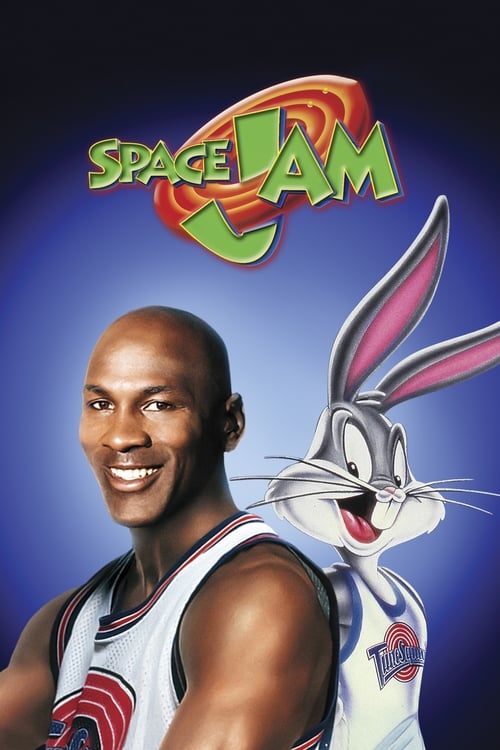
Space Jam
With their freedom on the line, the Looney Tunes seek the help of NBA superstar Michael Jordan to win a basketball game against a team of moronic aliens.
Despite a substantial budget of $80.0M, Space Jam became a box office success, earning $250.2M worldwide—a 213% return.
5 wins & 8 nominations


Plot Structure
Story beats plotted across runtime


Narrative Arc
Emotional journey through the story's key moments
Story Circle
Blueprint 15-beat structure
Arcplot Score Breakdown
Weighted: Precision (70%) + Arc (15%) + Theme (15%)
Space Jam (1996) showcases precise narrative architecture, characteristic of Joe Pytka's storytelling approach. This structural analysis examines how the film's 15-point plot structure maps to proven narrative frameworks across 1 hour and 27 minutes. With an Arcplot score of 7.6, the film showcases strong structural fundamentals.
Characters
Cast & narrative archetypes

Michael Jordan
Bugs Bunny
Daffy Duck
Lola Bunny
Swackhammer
Stan Podolak
Main Cast & Characters
Michael Jordan
Played by Michael Jordan
Retired NBA superstar recruited by Looney Tunes to save them from alien enslavement by winning a basketball game.
Bugs Bunny
Played by Billy West
Clever leader of the Looney Tunes who orchestrates the recruitment of Michael Jordan to defeat the Monstars.
Daffy Duck
Played by Billy West
Self-centered but loyal Looney Tune who assists in recruiting Jordan and plays on the Tune Squad.
Lola Bunny
Played by Kath Soucie
Talented female basketball player and love interest who joins the Tune Squad and catches Bugs' attention.
Swackhammer
Played by Danny DeVito
Ruthless alien theme park owner who sends the Nerdlucks to capture the Looney Tunes as attractions.
Stan Podolak
Played by Wayne Knight
Michael Jordan's hapless publicity agent who gets dragged into the Looney Tunes world.
Structural Analysis
The Status Quo at 1 minutes (1% through the runtime) establishes Young Michael Jordan practices basketball in his backyard with his father, who encourages him to play the game he loves. This establishes Michael's pure connection to basketball and his father's support.. Structural examination shows that this early placement immediately immerses viewers in the story world.
The inciting incident occurs at 10 minutes when Bugs Bunny and the Looney Tunes are confronted by the Nerdlucks, who challenge them to a basketball game. If the Tunes lose, they become slaves at Moron Mountain theme park.. At 12% through the film, this Disruption aligns precisely with traditional story structure. This beat shifts the emotional landscape, launching the protagonist into the central conflict.
The First Threshold at 22 minutes marks the transition into Act II, occurring at 25% of the runtime. This shows the protagonist's commitment to Michael Jordan agrees to help the Looney Tunes play basketball against the Monstars. He actively chooses to enter their cartoon world and accept the challenge, stepping back into basketball., moving from reaction to action.
At 44 minutes, the Midpoint arrives at 51% of the runtime—precisely centered, creating perfect narrative symmetry. Structural examination shows that this crucial beat The game begins and the Monstars brutally dominate, injuring the Tunes. Michael realizes the stakes are real and his opponents are far more powerful than expected. False defeat: this might be unwinnable., fundamentally raising what's at risk. The emotional intensity shifts, dividing the narrative into clear before-and-after phases.
The Collapse moment at 65 minutes (75% through) represents the emotional nadir. Here, At halftime, the Tunes are losing badly and completely demoralized. They've given up hope. Michael's attempt to inspire them falls flat - death of hope and team spirit., illustrates the protagonist at their lowest point. This beat's placement in the final quarter sets up the climactic reversal.
The Second Threshold at 69 minutes initiates the final act resolution at 80% of the runtime. Michael uses "Michael's Secret Stuff" (actually water) to make the Tunes believe in themselves. The realization: talent isn't enough - belief, joy, and teamwork are what matter. They return energized., demonstrating the transformation achieved throughout the journey.
Emotional Journey
Space Jam's emotional architecture traces a deliberate progression across 15 carefully calibrated beats.
Narrative Framework
This structural analysis employs structural analysis methodology used to understand storytelling architecture. By mapping Space Jam against these established plot points, we can identify how Joe Pytka utilizes or subverts traditional narrative conventions. The plot point approach reveals not only adherence to structural principles but also creative choices that distinguish Space Jam within the comedy genre.
Comparative Analysis
Additional comedy films include The Bad Guys, Ella Enchanted and The Evening Star.
Plot Points by Act
Act I
SetupStatus Quo
Young Michael Jordan practices basketball in his backyard with his father, who encourages him to play the game he loves. This establishes Michael's pure connection to basketball and his father's support.
Theme
Michael's father tells him, "You got to have fun out there. Don't be afraid to go for it." Theme: Finding joy and purpose in what you do, not running away from who you are.
Worldbuilding
Establishes Michael Jordan at peak success, then his retirement from basketball to pursue baseball. Introduces the Looney Tunes world and the alien Nerdlucks arriving at Moron Mountain amusement park, setting up parallel worlds.
Disruption
Bugs Bunny and the Looney Tunes are confronted by the Nerdlucks, who challenge them to a basketball game. If the Tunes lose, they become slaves at Moron Mountain theme park.
Resistance
The Looney Tunes debate how to win, deciding they need help. The Nerdlucks steal talent from NBA stars, becoming the Monstars. Bugs realizes they need the best player and pulls Michael Jordan underground through a golf hole.
Act II
ConfrontationFirst Threshold
Michael Jordan agrees to help the Looney Tunes play basketball against the Monstars. He actively chooses to enter their cartoon world and accept the challenge, stepping back into basketball.
Mirror World
Michael bonds with the Looney Tunes as they prepare for the game. Their unfiltered joy and love for play contrasts with Michael's serious, professional approach, reflecting the theme of rediscovering fun.
Premise
The promise of the premise: Michael Jordan playing basketball with Looney Tunes. Training montages, comedic preparation, recruitment of Bill Murray, and building team chemistry before the big game begins.
Midpoint
The game begins and the Monstars brutally dominate, injuring the Tunes. Michael realizes the stakes are real and his opponents are far more powerful than expected. False defeat: this might be unwinnable.
Opposition
The Tunes fall further behind despite Michael's efforts. The Monstars grow more confident and cruel. Michael's limitations show as he can't win alone, and his professional approach isn't enough against cartoon physics.
Collapse
At halftime, the Tunes are losing badly and completely demoralized. They've given up hope. Michael's attempt to inspire them falls flat - death of hope and team spirit.
Crisis
Michael gives an emotional halftime speech, reconnecting with why he loved basketball in the first place. He channels his father's wisdom about having fun and not being afraid, shifting from ego to team.
Act III
ResolutionSecond Threshold
Michael uses "Michael's Secret Stuff" (actually water) to make the Tunes believe in themselves. The realization: talent isn't enough - belief, joy, and teamwork are what matter. They return energized.
Synthesis
The Tunes fight back using cartoon physics combined with basketball fundamentals. Michael embraces the chaos and fun, playing with joy rather than just skill. The team works together, culminating in Michael's winning shot.
Transformation
Michael returns to the real world and rejoins the NBA, but now playing with the joy and freedom he rediscovered with the Tunes. He's integrated his love of the game with his professional identity.