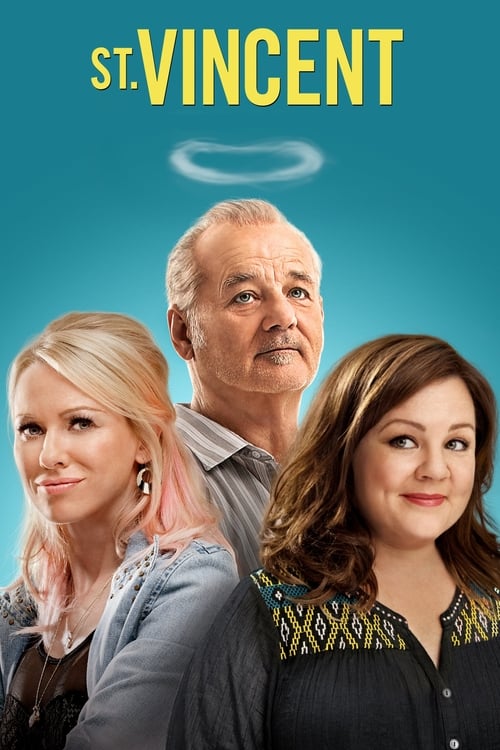
St. Vincent
A young boy whose parents just divorced finds an unlikely friend and mentor in the misanthropic, bawdy, hedonistic, war veteran who lives next door.
Despite its tight budget of $13.0M, St. Vincent became a solid performer, earning $54.8M worldwide—a 322% return. The film's bold vision connected with viewers, confirming that strong storytelling can transcend budget limitations.
7 wins & 23 nominations


Plot Structure
Story beats plotted across runtime


Narrative Arc
Emotional journey through the story's key moments
Story Circle
Blueprint 15-beat structure
Arcplot Score Breakdown
Weighted: Precision (70%) + Arc (15%) + Theme (15%)
St. Vincent (2014) reveals carefully calibrated dramatic framework, characteristic of Theodore Melfi's storytelling approach. This structural analysis examines how the film's 15-point plot structure maps to proven narrative frameworks across 1 hour and 42 minutes. With an Arcplot score of 6.6, the film balances conventional beats with creative variation.
Structural Analysis
The Status Quo at 1 minutes (1% through the runtime) establishes Vincent MacKenna wakes alone in his cluttered Brooklyn home, immediately reaching for alcohol and feeding his cat. He's a bitter, isolated man drowning in debt, visiting strip clubs, and paying for companionship with Daka - establishing a life defined by loneliness and self-destruction.. Structural examination shows that this early placement immediately immerses viewers in the story world.
The inciting incident occurs at 12 minutes when Oliver is locked out of his house after school with no phone or keys. He has no choice but to knock on Vincent's door for help. This collision of their worlds - the lonely boy and the cantankerous old man - disrupts both their status quos and sets the central relationship in motion.. At 12% through the film, this Disruption aligns precisely with traditional story structure. This beat shifts the emotional landscape, launching the protagonist into the central conflict.
The First Threshold at 26 minutes marks the transition into Act II, occurring at 25% of the runtime. This shows the protagonist's commitment to Vincent decides to take Oliver to the racetrack, beginning Oliver's unconventional education. Rather than just parking Oliver in front of a TV, Vincent actively engages with him - teaching him about betting, life lessons, and treating him as capable. Oliver chooses to embrace Vincent's world rather than resist it., moving from reaction to action.
At 51 minutes, the Midpoint arrives at 50% of the runtime—precisely centered, creating perfect narrative symmetry. The analysis reveals that this crucial beat Oliver successfully stands up to his bully Robert using the fighting skills Vincent taught him, and they unexpectedly become friends. This false victory shows Vincent's teachings working - Oliver is gaining confidence and strength. Vincent appears to be succeeding as a mentor, and their bond seems solidified., fundamentally raising what's at risk. The emotional intensity shifts, dividing the narrative into clear before-and-after phases.
The Collapse moment at 77 minutes (75% through) represents the emotional nadir. Here, Vincent suffers a stroke alone in his home. Sandy dies in the nursing home without him there. He wakes in the hospital physically diminished, struggling to speak and walk, having lost the wife he secretly devoted himself to for years. His body has betrayed him just as his financial and social world collapsed., reveals the protagonist at their lowest point. This beat's placement in the final quarter sets up the climactic reversal.
The Second Threshold at 82 minutes initiates the final act resolution at 80% of the runtime. Oliver discovers Vincent's full history through his Saints project research: his Bronze Star for valor in Vietnam, his decades of devotion to Sandy despite her not recognizing him, his quiet generosity. Oliver chooses to honor Vincent as his saint despite his mother's objections, recognizing that Vincent's flaws don't negate his genuine heroism and sacrifice., demonstrating the transformation achieved throughout the journey.
Emotional Journey
St. Vincent's emotional architecture traces a deliberate progression across 15 carefully calibrated beats.
Narrative Framework
This structural analysis employs a 15-point narrative structure framework that maps key story moments. By mapping St. Vincent against these established plot points, we can identify how Theodore Melfi utilizes or subverts traditional narrative conventions. The plot point approach reveals not only adherence to structural principles but also creative choices that distinguish St. Vincent within the comedy genre.
Theodore Melfi's Structural Approach
Among the 2 Theodore Melfi films analyzed on Arcplot, the average structural score is 6.9, demonstrating varied approaches to story architecture. St. Vincent takes a more unconventional approach compared to the director's typical style. For comparative analysis, explore the complete Theodore Melfi filmography.
Comparative Analysis
Additional comedy films include The Bad Guys, Ella Enchanted and The Evening Star. For more Theodore Melfi analyses, see Hidden Figures.
Plot Points by Act
Act I
SetupStatus Quo
Vincent MacKenna wakes alone in his cluttered Brooklyn home, immediately reaching for alcohol and feeding his cat. He's a bitter, isolated man drowning in debt, visiting strip clubs, and paying for companionship with Daka - establishing a life defined by loneliness and self-destruction.
Theme
Brother Geraghty introduces the "Saints Among Us" project to Oliver's class, explaining that saints are ordinary people who perform extraordinary acts of kindness and sacrifice - they're found in everyday life, not just in religious texts. This frames the entire narrative question: can Vincent be seen as a saint?
Worldbuilding
We meet Vincent in his decrepit routine, Oliver and Maggie moving next door after her divorce, Vincent's car getting damaged by the moving truck, establishing the economic struggles of both households, Oliver's first difficult day at Catholic school where he's bullied and has his belongings stolen, and Maggie's overwhelming work schedule as a radiology tech.
Disruption
Oliver is locked out of his house after school with no phone or keys. He has no choice but to knock on Vincent's door for help. This collision of their worlds - the lonely boy and the cantankerous old man - disrupts both their status quos and sets the central relationship in motion.
Resistance
Maggie reluctantly agrees to pay Vincent to watch Oliver after school. Vincent initially sees this purely as income to cover his gambling debts. Oliver is resistant and uncomfortable with Vincent's crude behavior, drinking, and questionable lifestyle. The arrangement is purely transactional, with both parties uncertain about continuing.
Act II
ConfrontationFirst Threshold
Vincent decides to take Oliver to the racetrack, beginning Oliver's unconventional education. Rather than just parking Oliver in front of a TV, Vincent actively engages with him - teaching him about betting, life lessons, and treating him as capable. Oliver chooses to embrace Vincent's world rather than resist it.
Mirror World
Oliver meets Daka at Vincent's house and witnesses Vincent's tenderness toward her pregnancy. This reveals a caring side to Vincent that contradicts his gruff exterior. Daka represents the thematic mirror - she's another person society dismisses but who has depth, dreams, and receives Vincent's genuine affection.
Premise
Vincent becomes Oliver's unconventional mentor: teaching him to fight back against bullies, taking him to bars and racetracks, visiting Vincent's wife Sandy at the nursing home (where Oliver learns she has Alzheimer's and doesn't recognize Vincent). Oliver begins seeing Vincent's hidden nobility - his devotion to Sandy, his Vietnam service, his rough kindness.
Midpoint
Oliver successfully stands up to his bully Robert using the fighting skills Vincent taught him, and they unexpectedly become friends. This false victory shows Vincent's teachings working - Oliver is gaining confidence and strength. Vincent appears to be succeeding as a mentor, and their bond seems solidified.
Opposition
Vincent's gambling debts catch up with him as loan shark Zucko threatens violence. David uses Vincent's lifestyle against Maggie in custody proceedings. Maggie discovers Vincent has been taking Oliver to bars and racetracks and to visit a "lady of the night." She fires Vincent and forbids Oliver from seeing him. Vincent's world collapses as his debts mount and his support systems crumble.
Collapse
Vincent suffers a stroke alone in his home. Sandy dies in the nursing home without him there. He wakes in the hospital physically diminished, struggling to speak and walk, having lost the wife he secretly devoted himself to for years. His body has betrayed him just as his financial and social world collapsed.
Crisis
Vincent undergoes difficult rehabilitation, relearning basic functions. He's isolated - Maggie won't let Oliver visit, Daka has had her baby and moved on. Vincent faces his mortality and loneliness, the bitter irony that he cared for Sandy for years only to be absent at her death. He has nothing left.
Act III
ResolutionSecond Threshold
Oliver discovers Vincent's full history through his Saints project research: his Bronze Star for valor in Vietnam, his decades of devotion to Sandy despite her not recognizing him, his quiet generosity. Oliver chooses to honor Vincent as his saint despite his mother's objections, recognizing that Vincent's flaws don't negate his genuine heroism and sacrifice.
Synthesis
At the school assembly, Oliver presents Vincent as his saint, detailing his war heroism, his devotion to Sandy, and how he taught Oliver to stand up for himself. Vincent, attending despite his frailty, is moved to tears hearing himself described not as a drunk or a degenerate but as someone worthy of admiration. The community sees Vincent through Oliver's eyes.
Transformation
Vincent sits in his backyard, finally at peace, as Oliver comes over and they share a quiet moment together. The once-isolated man now has genuine family - Oliver, Maggie, and even Daka with her baby visit. Vincent waters his garden and hums along to his music, no longer alone - transformed from bitter isolation to unexpected grace through human connection.