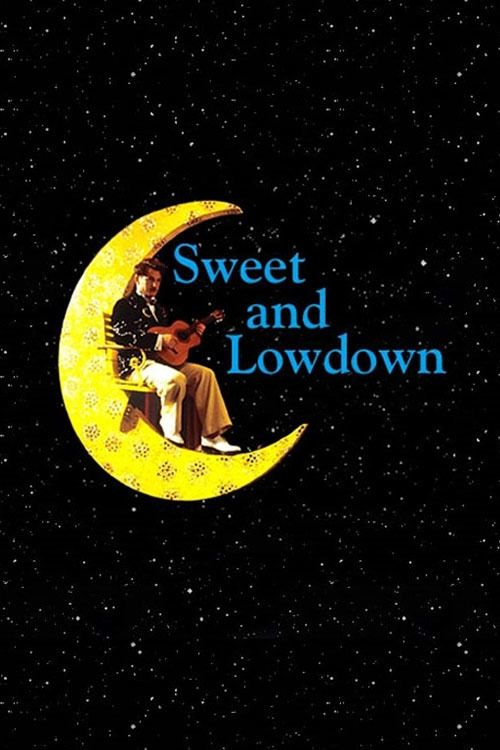
Sweet and Lowdown
In the 1930s, jazz guitarist Emmet Ray idolizes Django Reinhardt, faces gangsters and falls in love with a mute woman.
The film financial setback against its mid-range budget of $29.8M, earning $4.5M globally (-85% loss). While initial box office returns were modest, the film has gained appreciation for its compelling narrative within the comedy genre.
Nominated for 2 Oscars. 1 win & 15 nominations


Plot Structure
Story beats plotted across runtime


Narrative Arc
Emotional journey through the story's key moments
Story Circle
Blueprint 15-beat structure
Arcplot Score Breakdown
Weighted: Precision (70%) + Arc (15%) + Theme (15%)
Sweet and Lowdown (1999) showcases strategically placed plot construction, characteristic of Woody Allen's storytelling approach. This structural analysis examines how the film's 15-point plot structure maps to proven narrative frameworks across 1 hour and 35 minutes. With an Arcplot score of 6.6, the film balances conventional beats with creative variation.
Characters
Cast & narrative archetypes

Emmet Ray
Hattie
Blanche
Al Torrio
Main Cast & Characters
Emmet Ray
Played by Sean Penn
A brilliant but deeply flawed jazz guitarist in the 1930s, self-absorbed and obsessed with being second to Django Reinhardt.
Hattie
Played by Samantha Morton
A mute laundress who falls deeply in love with Emmet despite his cruelty and self-centeredness.
Blanche
Played by Uma Thurman
A sophisticated writer and socialite who becomes Emmet's girlfriend, representing his aspirations for high society.
Al Torrio
Played by Anthony LaPaglia
Emmet's loyal manager and friend who attempts to guide his career and clean up his messes.
Structural Analysis
The Status Quo at 1 minutes (1% through the runtime) establishes Jazz historians and talking heads introduce the legend of Emmet Ray, establishing him as a brilliant but deeply flawed 1930s guitarist who lived in the shadow of his idol Django Reinhardt. The mockumentary framing sets up a character study of genius and self-destruction.. Significantly, this early placement immediately immerses viewers in the story world.
The inciting incident occurs at 11 minutes when Emmet meets Hattie, a mute laundress, at a club. Unlike his usual conquests, she's innocent and adoring. Her silent devotion disrupts his pattern of shallow relationships and introduces something he's never experienced: unconditional acceptance.. At 12% through the film, this Disruption aligns precisely with traditional story structure. This beat shifts the emotional landscape, launching the protagonist into the central conflict.
The First Threshold at 24 minutes marks the transition into Act II, occurring at 25% of the runtime. This indicates the protagonist's commitment to Emmet decides to keep Hattie as his companion, bringing her along on his musical tours. This is an active choice to attempt something resembling a real relationship - a first for the emotionally stunted guitarist. He crosses into unfamiliar territory: genuine intimacy., moving from reaction to action.
At 48 minutes, the Midpoint arrives at 50% of the runtime—precisely centered, creating perfect narrative symmetry. The analysis reveals that this crucial beat Emmet meets Blanche, a sophisticated, talkative socialite writer who represents the glamorous world he craves. He becomes infatuated, seeing her as more appropriate for a "great artist" than the simple, silent Hattie. This false victory - trading genuine love for status - marks his fatal turn., fundamentally raising what's at risk. The emotional intensity shifts, dividing the narrative into clear before-and-after phases.
The Collapse moment at 71 minutes (75% through) represents the emotional nadir. Here, Emmet learns that Hattie has married someone else - a decent man who truly loves her. The whiff of death is the death of possibility: he has permanently lost the one person who loved him unconditionally. His chance for genuine connection is gone forever., reveals the protagonist at their lowest point. This beat's placement in the final quarter sets up the climactic reversal.
The Second Threshold at 76 minutes initiates the final act resolution at 80% of the runtime. Emmet tracks down Hattie, hoping to win her back. He finds her happy with her new husband and child. The realization crystallizes: he cannot undo his choices. There is no redemption arc. He must live with the consequences of his emotional cowardice., demonstrating the transformation achieved throughout the journey.
Emotional Journey
Sweet and Lowdown's emotional architecture traces a deliberate progression across 15 carefully calibrated beats.
Narrative Framework
This structural analysis employs proven narrative structure principles that track dramatic progression. By mapping Sweet and Lowdown against these established plot points, we can identify how Woody Allen utilizes or subverts traditional narrative conventions. The plot point approach reveals not only adherence to structural principles but also creative choices that distinguish Sweet and Lowdown within the comedy genre.
Woody Allen's Structural Approach
Among the 42 Woody Allen films analyzed on Arcplot, the average structural score is 7.0, demonstrating varied approaches to story architecture. Sweet and Lowdown takes a more unconventional approach compared to the director's typical style. For comparative analysis, explore the complete Woody Allen filmography.
Comparative Analysis
Additional comedy films include The Bad Guys, Ella Enchanted and The Evening Star. For more Woody Allen analyses, see Everyone Says I Love You, Celebrity and Interiors.
Plot Points by Act
Act I
SetupStatus Quo
Jazz historians and talking heads introduce the legend of Emmet Ray, establishing him as a brilliant but deeply flawed 1930s guitarist who lived in the shadow of his idol Django Reinhardt. The mockumentary framing sets up a character study of genius and self-destruction.
Theme
A historian notes that despite Emmet's incredible talent, he "couldn't connect with people" and was "his own worst enemy." This states the film's central theme: artistic brilliance means nothing without the capacity for genuine human connection.
Worldbuilding
We see Emmet's world of 1930s jazz clubs, his obsessions (shooting rats at the dump, watching trains), his womanizing, and his pimp side-hustle. His boastful personality and compulsive need to be seen as the best guitarist emerge. He faints when he finally meets Django Reinhardt.
Disruption
Emmet meets Hattie, a mute laundress, at a club. Unlike his usual conquests, she's innocent and adoring. Her silent devotion disrupts his pattern of shallow relationships and introduces something he's never experienced: unconditional acceptance.
Resistance
Emmet debates whether to pursue this unusual relationship. He takes Hattie to the dump to shoot rats and to watch trains - his private rituals. She accepts everything about him without judgment. He's drawn to her simplicity but uncertain if he can commit to anyone.
Act II
ConfrontationFirst Threshold
Emmet decides to keep Hattie as his companion, bringing her along on his musical tours. This is an active choice to attempt something resembling a real relationship - a first for the emotionally stunted guitarist. He crosses into unfamiliar territory: genuine intimacy.
Mirror World
Hattie's world becomes the thematic counterpoint to Emmet's ego-driven existence. Her silent love, her contentment with simple pleasures, and her complete acceptance of Emmet represent everything he needs but cannot recognize. She embodies love without conditions or demands.
Premise
The "fun and games" of Emmet's life with Hattie unfold. They travel together, she watches him perform, they share his eccentric hobbies. Emmet enjoys having a devoted companion while continuing to pursue his musical ambitions. His playing reaches new heights. The relationship seems to work despite his narcissism.
Midpoint
Emmet meets Blanche, a sophisticated, talkative socialite writer who represents the glamorous world he craves. He becomes infatuated, seeing her as more appropriate for a "great artist" than the simple, silent Hattie. This false victory - trading genuine love for status - marks his fatal turn.
Opposition
Emmet pursues Blanche while treating Hattie increasingly poorly. He abandons Hattie to be with Blanche, marrying the socialite. But Blanche proves shallow and eventually leaves him for a gangster. His ego and poor choices systematically destroy everything good in his life. His playing suffers without Hattie's grounding presence.
Collapse
Emmet learns that Hattie has married someone else - a decent man who truly loves her. The whiff of death is the death of possibility: he has permanently lost the one person who loved him unconditionally. His chance for genuine connection is gone forever.
Crisis
Emmet sinks into regret and loneliness. He drinks more, his relationships remain empty, and he realizes what he threw away. The historians note his increasing erratic behavior and declining performances. He is alone with his genius, which now feels hollow.
Act III
ResolutionSecond Threshold
Emmet tracks down Hattie, hoping to win her back. He finds her happy with her new husband and child. The realization crystallizes: he cannot undo his choices. There is no redemption arc. He must live with the consequences of his emotional cowardice.
Synthesis
Emmet continues playing, but something is permanently broken. The historians describe his later years as increasingly mysterious - he eventually disappeared entirely. His music remains, but the man could never integrate his artistic gifts with human warmth. He proved incapable of the synthesis the narrative demanded.
Transformation
The final image shows Emmet alone, playing his guitar with tears streaming down his face. Unlike a traditional transformation showing growth, this reveals a man who understood too late what mattered. His "transformation" is the tragic awareness of his own failure to change. The music is beautiful; the man remains broken.