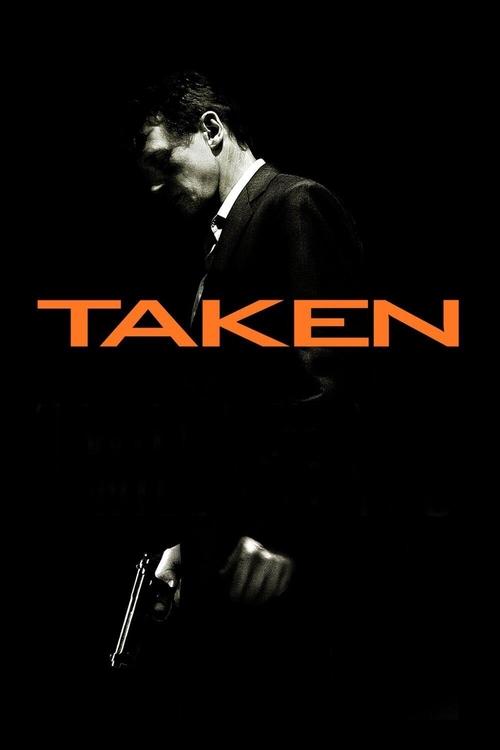
Taken
Bryan Mills, a former government operative, is trying to reconnect with his teenage daughter Kim. After reluctantly agreeing with his ex-wife to let Kim go to Paris on vacation with a friend, his worst nightmare comes true. While on the phone with his daughter shortly after she arrives in Paris, she and her friend are abducted by a gang of human traffickers. Working against the clock, Bryan relies on his extensive training and skills to track down the ruthless gang that abducted her and launch a one-man war to rescue his daughter.
Despite a respectable budget of $25.0M, Taken became a massive hit, earning $226.8M worldwide—a remarkable 807% return.
2 wins & 2 nominations


Plot Structure
Story beats plotted across runtime


Narrative Arc
Emotional journey through the story's key moments
Story Circle
Blueprint 15-beat structure
Arcplot Score Breakdown
Weighted: Precision (70%) + Arc (15%) + Theme (15%)
Taken (2008) showcases strategically placed narrative design, characteristic of Pierre Morel's storytelling approach. This structural analysis examines how the film's 15-point plot structure maps to proven narrative frameworks across 1 hour and 34 minutes. With an Arcplot score of 7.4, the film balances conventional beats with creative variation.
Characters
Cast & narrative archetypes

Bryan Mills
Kim Mills
Lenore
Stuart
Sam
Jean-Claude
Marko
Main Cast & Characters
Bryan Mills
Played by Liam Neeson
A retired CIA operative with "a very particular set of skills" who will stop at nothing to rescue his kidnapped daughter from human traffickers in Paris.
Kim Mills
Played by Maggie Grace
Bryan's 17-year-old daughter who is kidnapped while on vacation in Paris with her friend Amanda.
Lenore
Played by Famke Janssen
Bryan's ex-wife who has remarried a wealthy man and maintains a strained relationship with Bryan over parenting decisions.
Stuart
Played by Xander Berkeley
Lenore's wealthy second husband who provides a lavish lifestyle but underestimates the dangers Kim faces.
Sam
Played by Leland Orser
Bryan's close friend and former CIA colleague who provides crucial support and resources during the rescue mission.
Jean-Claude
Played by Olivier Rabourdin
A corrupt French intelligence officer and Bryan's old contact who is deeply involved with the trafficking ring.
Marko
Played by Arben Bajraktaraj
The leader of the Albanian human trafficking gang who makes the fatal mistake of kidnapping Bryan's daughter.
Structural Analysis
The Status Quo at 1 minutes (1% through the runtime) establishes Bryan Mills alone in his sparse apartment, carefully wrapping a karaoke machine for his daughter's birthday - establishing his isolation and desperate desire to connect with Kim despite being estranged.. Structural examination shows that this early placement immediately immerses viewers in the story world.
The inciting incident occurs at 11 minutes when Kim and Lenore ask Bryan to sign a permission form for Kim to travel to Paris with her friend Amanda - revealing they've hidden the true nature of the trip (following U2 across Europe) and putting Bryan's protective instincts on high alert.. At 12% through the film, this Disruption aligns precisely with traditional story structure. This beat shifts the emotional landscape, launching the protagonist into the central conflict.
The First Threshold at 24 minutes marks the transition into Act II, occurring at 25% of the runtime. This reveals the protagonist's commitment to Albanian traffickers storm the Paris apartment and kidnap Kim while Bryan listens helplessly on the phone. He delivers his iconic warning: "I will look for you, I will find you, and I will kill you." Bryan's choice to pursue rather than wait for authorities launches him into action., moving from reaction to action.
At 47 minutes, the Midpoint arrives at 50% of the runtime—precisely centered, creating perfect narrative symmetry. Notably, this crucial beat Bryan discovers Kim's jean jacket at a makeshift brothel where drugged girls are kept - confirming she's been pulled into the trafficking pipeline. False defeat: she's not there, already moved deeper into the network, and the 96-hour window before she's untraceable is closing fast., fundamentally raising what's at risk. The emotional intensity shifts, dividing the narrative into clear before-and-after phases.
The Collapse moment at 71 minutes (75% through) represents the emotional nadir. Here, Bryan infiltrates the auction posing as a buyer but arrives moments too late - he watches helplessly as Kim is sold to a wealthy Arab sheikh for half a million dollars and taken away on a yacht. His daughter has slipped through his fingers despite everything., shows the protagonist at their lowest point. This beat's placement in the final quarter sets up the climactic reversal.
The Second Threshold at 75 minutes initiates the final act resolution at 80% of the runtime. Bryan kills Saint-Clair's wife and threatens him, obtaining the location of the sheikh's yacht at the Seine docks. Armed with this final piece of information, Bryan commits fully to the suicidal assault that will either save Kim or kill him., demonstrating the transformation achieved throughout the journey.
Emotional Journey
Taken's emotional architecture traces a deliberate progression across 15 carefully calibrated beats.
Narrative Framework
This structural analysis employs structural analysis methodology used to understand storytelling architecture. By mapping Taken against these established plot points, we can identify how Pierre Morel utilizes or subverts traditional narrative conventions. The plot point approach reveals not only adherence to structural principles but also creative choices that distinguish Taken within the action genre.
Pierre Morel's Structural Approach
Among the 5 Pierre Morel films analyzed on Arcplot, the average structural score is 7.1, reflecting strong command of classical structure. Taken represents one of the director's most structurally precise works. For comparative analysis, explore the complete Pierre Morel filmography.
Comparative Analysis
Additional action films include The Bad Guys, Puss in Boots and Venom: The Last Dance. For more Pierre Morel analyses, see Freelance, From Paris with Love and Peppermint.
Plot Points by Act
Act I
SetupStatus Quo
Bryan Mills alone in his sparse apartment, carefully wrapping a karaoke machine for his daughter's birthday - establishing his isolation and desperate desire to connect with Kim despite being estranged.
Theme
Lenore tells Bryan "Your job made you miss everything" - stating the film's thematic premise that his career as a "preventer" cost him his family, and now he must prove his love through action.
Worldbuilding
Bryan's world is established: retired CIA operative living modestly near his daughter, taking security jobs to stay close. His ex-wife Lenore has remarried wealthy Stuart. Kim's 17th birthday party reveals the gulf between Bryan's simple gift and Stuart's extravagant horse. Bryan bonds with former colleagues who hint at his legendary skills.
Disruption
Kim and Lenore ask Bryan to sign a permission form for Kim to travel to Paris with her friend Amanda - revealing they've hidden the true nature of the trip (following U2 across Europe) and putting Bryan's protective instincts on high alert.
Resistance
Bryan initially refuses but reluctantly agrees after pressure from Lenore and Stuart. He gives Kim a special phone and detailed safety instructions at the airport. In Paris, Kim and Amanda meet charming Peter at the airport who learns they're staying alone - unknowingly marking them as targets for traffickers.
Act II
ConfrontationFirst Threshold
Albanian traffickers storm the Paris apartment and kidnap Kim while Bryan listens helplessly on the phone. He delivers his iconic warning: "I will look for you, I will find you, and I will kill you." Bryan's choice to pursue rather than wait for authorities launches him into action.
Mirror World
Bryan arrives in Paris and contacts his old friend Jean-Claude at French intelligence. This relationship represents the moral gray zone Bryan must navigate - Jean-Claude will help but is compromised by corruption, forcing Bryan to work alone and cross ethical lines.
Premise
Bryan unleashes his "particular set of skills" - he analyzes the phone recording to identify the kidnapper, tracks down Peter the spotter at the airport, tortures him for information, infiltrates an Albanian-run construction site brothel, and follows the trail through Paris's criminal underworld with ruthless efficiency.
Midpoint
Bryan discovers Kim's jean jacket at a makeshift brothel where drugged girls are kept - confirming she's been pulled into the trafficking pipeline. False defeat: she's not there, already moved deeper into the network, and the 96-hour window before she's untraceable is closing fast.
Opposition
Bryan intensifies his hunt through increasingly dangerous territory. He tortures Marko with electricity, kills the entire trafficking crew, and discovers a connection to wealthy buyers. Jean-Claude's wife reveals her husband's corruption. Bryan shoots Jean-Claude's wife to force information, showing how far he'll go. The trail leads to an exclusive auction.
Collapse
Bryan infiltrates the auction posing as a buyer but arrives moments too late - he watches helplessly as Kim is sold to a wealthy Arab sheikh for half a million dollars and taken away on a yacht. His daughter has slipped through his fingers despite everything.
Crisis
Bryan faces his darkest moment - Kim is gone, sold to a powerful man with diplomatic immunity. He must find another way. He confronts the corrupt French official Saint-Clair, who ran the auction, demanding to know where the yacht is headed.
Act III
ResolutionSecond Threshold
Bryan kills Saint-Clair's wife and threatens him, obtaining the location of the sheikh's yacht at the Seine docks. Armed with this final piece of information, Bryan commits fully to the suicidal assault that will either save Kim or kill him.
Synthesis
Bryan's final assault on the yacht is a showcase of lethal efficiency. He kills every guard, fights through multiple decks, and reaches the sheikh's quarters just as the man holds a knife to Kim's throat. Bryan throws the knife into the sheikh's neck, saving his daughter at the last possible second.
Transformation
Kim runs into Bryan's arms on the yacht, finally safe. Back in Los Angeles, Bryan fulfills his promise - he introduces Kim to her favorite singer for a vocal lesson. The estranged father has proven his love through action, and their relationship is restored.