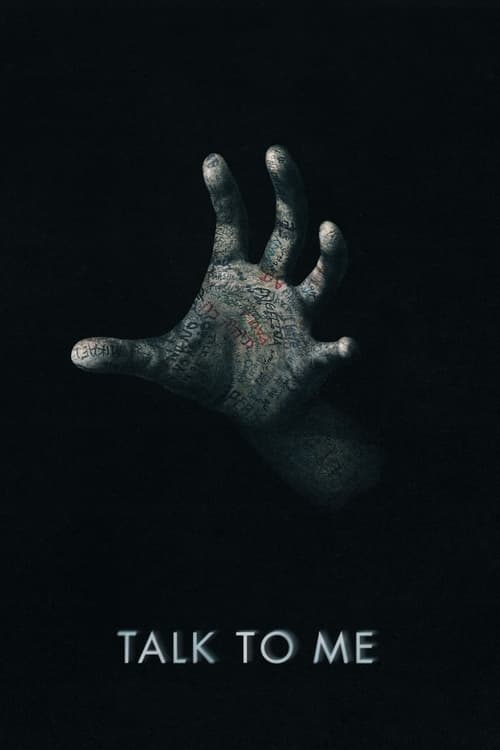
Talk to Me
When a group of friends discover how to conjure spirits using an embalmed hand, they become hooked on the new thrill, until one of them goes too far and unleashes terrifying supernatural forces.
Despite its modest budget of $4.5M, Talk to Me became a massive hit, earning $92.0M worldwide—a remarkable 1944% return. The film's innovative storytelling attracted moviegoers, illustrating how strong storytelling can transcend budget limitations.


Plot Structure
Story beats plotted across runtime


Narrative Arc
Emotional journey through the story's key moments
Story Circle
Blueprint 15-beat structure
Arcplot Score Breakdown
Weighted: Precision (70%) + Arc (15%) + Theme (15%)
Talk to Me (2023) reveals deliberately positioned narrative design, characteristic of Michael Philippou's storytelling approach. This structural analysis examines how the film's 15-point plot structure maps to proven narrative frameworks across 1 hour and 35 minutes. With an Arcplot score of 6.6, the film balances conventional beats with creative variation.
Characters
Cast & narrative archetypes

Mia
Jade
Riley
Daniel
Sue
Hayley
Joss
Main Cast & Characters
Mia
Played by Sophie Wilde
A grieving teenager who becomes obsessed with a supernatural hand that allows communication with the dead
Jade
Played by Alexandra Jensen
Mia's best friend who tries to protect her younger brother Riley from the dangerous supernatural game
Riley
Played by Joe Bird
Jade's younger brother who becomes traumatized after being possessed by a malevolent spirit
Daniel
Played by Otis Dhanji
Jade and Riley's father who struggles to understand what happened to his son
Sue
Played by Miranda Otto
Mia's father's girlfriend who tries to connect with Mia despite their strained relationship
Hayley
Played by Zoe Terakes
A friend in the group who participates in the supernatural séances
Joss
Played by Chris Alosio
One of the teenagers who introduces the group to the embalmed hand
Structural Analysis
The Status Quo at 1 minutes (1% through the runtime) establishes A chaotic party where Cole searches for his brother Duckett, who has been using the embalmed hand. Duckett stabs Cole and then himself, establishing the deadly stakes of the supernatural ritual.. The analysis reveals that this early placement immediately immerses viewers in the story world.
The inciting incident occurs at 12 minutes when Mia and her friends attend a party where they discover the embalmed hand ritual that has gone viral. They witness others conjuring spirits and becoming temporarily possessed, introducing the supernatural threat.. At 13% through the film, this Disruption is delayed, allowing extended setup of the story world. This beat shifts the emotional landscape, launching the protagonist into the central conflict.
The First Threshold at 24 minutes marks the transition into Act II, occurring at 25% of the runtime. This indicates the protagonist's commitment to Mia makes the active choice to use the hand herself, seeking the rush and escape from her grief. She says "I let you in" and experiences her first possession, crossing into the supernatural world., moving from reaction to action.
At 48 minutes, the Midpoint arrives at 51% of the runtime—precisely centered, creating perfect narrative symmetry. Significantly, this crucial beat Riley uses the hand and is possessed by a malevolent spirit claiming to be Mia's mother. When the 90 seconds pass and they can't separate Riley from the hand, the spirit forces Riley to violently bash his head against the table and gouge his own eye, leaving him in a coma., fundamentally raising what's at risk. The emotional intensity shifts, dividing the narrative into clear before-and-after phases.
The Collapse moment at 72 minutes (76% through) represents the emotional nadir. Here, Mia discovers the truth about her mother's death - it wasn't an accidental overdose but suicide. The spirit masquerading as her mother has been manipulating her all along. Her entire understanding of her grief and connection collapses., reveals the protagonist at their lowest point. This beat's placement in the final quarter sets up the climactic reversal.
The Second Threshold at 78 minutes initiates the final act resolution at 82% of the runtime. Mia makes the horrific decision to go to the hospital to "save" Riley by killing him, fully deceived by the spirits. She enters Act 3 committed to this fatal course of action, unable to distinguish the spirits' manipulation from reality., demonstrating the transformation achieved throughout the journey.
Emotional Journey
Talk to Me's emotional architecture traces a deliberate progression across 15 carefully calibrated beats.
Narrative Framework
This structural analysis employs a 15-point narrative structure framework that maps key story moments. By mapping Talk to Me against these established plot points, we can identify how Michael Philippou utilizes or subverts traditional narrative conventions. The plot point approach reveals not only adherence to structural principles but also creative choices that distinguish Talk to Me within the horror genre.
Comparative Analysis
Additional horror films include Thinner, A Nightmare on Elm Street and Mary Reilly.
Plot Points by Act
Act I
SetupStatus Quo
A chaotic party where Cole searches for his brother Duckett, who has been using the embalmed hand. Duckett stabs Cole and then himself, establishing the deadly stakes of the supernatural ritual.
Theme
Mia's friend Jade warns her about dwelling on the past and her mother's death, stating the importance of letting go rather than holding on to painful connections.
Worldbuilding
We meet Mia, still grieving her mother's death two years prior. Her strained relationship with her father Max and her close bond with best friend Jade and Jade's younger brother Riley are established. Mia avoids discussing her mother's overdose death.
Disruption
Mia and her friends attend a party where they discover the embalmed hand ritual that has gone viral. They witness others conjuring spirits and becoming temporarily possessed, introducing the supernatural threat.
Resistance
Hayley and Joss explain the rules of the hand: say "talk to me" to open the door, "I let you in" to be possessed, never hold on longer than 90 seconds, and always blow out the candle to end the session. The group demonstrates with various party-goers.
Act II
ConfrontationFirst Threshold
Mia makes the active choice to use the hand herself, seeking the rush and escape from her grief. She says "I let you in" and experiences her first possession, crossing into the supernatural world.
Mirror World
During a possession session, Mia sees what appears to be her deceased mother among the spirits. This subplot of her desperate need to reconnect with her mother will drive her increasingly dangerous choices throughout the film.
Premise
The group becomes addicted to the hand's high, holding parties and recording their possessions for social media. Mia grows obsessed, using the hand repeatedly seeking contact with her mother. Young Riley begs to try despite being underage.
Midpoint
Riley uses the hand and is possessed by a malevolent spirit claiming to be Mia's mother. When the 90 seconds pass and they can't separate Riley from the hand, the spirit forces Riley to violently bash his head against the table and gouge his own eye, leaving him in a coma.
Opposition
Riley remains in a coma while spirits continue tormenting Mia, appearing as her mother and urging her to "help" Riley by killing him. Jade blames Mia and their friendship fractures. Mia investigates the hand's origins and learns its dark history.
Collapse
Mia discovers the truth about her mother's death - it wasn't an accidental overdose but suicide. The spirit masquerading as her mother has been manipulating her all along. Her entire understanding of her grief and connection collapses.
Crisis
Mia spirals as the spirits intensify their manipulation, convincing her that the only way to save Riley is to kill him and free his soul. She struggles between the spirits' lies and reality, isolated from everyone who could help her.
Act III
ResolutionSecond Threshold
Mia makes the horrific decision to go to the hospital to "save" Riley by killing him, fully deceived by the spirits. She enters Act 3 committed to this fatal course of action, unable to distinguish the spirits' manipulation from reality.
Synthesis
Mia infiltrates the hospital and attempts to smother Riley. Jade intervenes and fights to save her brother. In the struggle, Mia has a moment of clarity and realizes she's been manipulated. She flees the hospital with Riley, choosing to sacrifice herself instead.
Transformation
Mia throws herself and Riley into traffic but only she dies, saving Riley. In the afterlife, Mia finds herself as a spirit, now on the other side of the hand ritual, watching strangers prepare to let her in - trapped in the cycle forever.