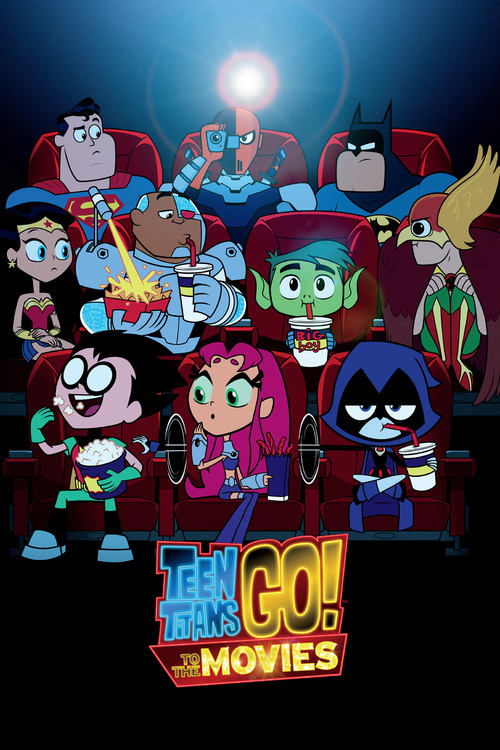
Teen Titans Go! To the Movies
All the major DC superheroes are starring in their own films, all but the Teen Titans, so Robin is determined to remedy this situation by getting over his role as a sidekick and becoming a movie star. Thus, with a few madcap ideas and an inspirational song in their hearts, the Teen Titans head to Hollywood to fulfill their dreams.
Despite its limited budget of $10.0M, Teen Titans Go! To the Movies became a solid performer, earning $52.4M worldwide—a 424% return. The film's unconventional structure resonated with audiences, confirming that strong storytelling can transcend budget limitations.


Plot Structure
Story beats plotted across runtime


Narrative Arc
Emotional journey through the story's key moments
Story Circle
Blueprint 15-beat structure
Arcplot Score Breakdown
Weighted: Precision (70%) + Arc (15%) + Theme (15%)
Teen Titans Go! To the Movies (2018) demonstrates precise dramatic framework, characteristic of Aaron Horvath's storytelling approach. This structural analysis examines how the film's 15-point plot structure maps to proven narrative frameworks across 1 hour and 24 minutes. With an Arcplot score of 7.1, the film balances conventional beats with creative variation.
Characters
Cast & narrative archetypes

Robin
Starfire
Beast Boy
Cyborg
Raven
Slade
Jade Wilson
Main Cast & Characters
Robin
Played by Scott Menville
The enthusiastic leader of the Teen Titans desperate to be taken seriously and get his own movie.
Starfire
Played by Hynden Walch
Cheerful alien princess and Robin's love interest who supports the team's movie dreams.
Beast Boy
Played by Greg Cipes
Fun-loving shapeshifter who provides comic relief and enthusiastically embraces the movie quest.
Cyborg
Played by Khary Payton
Half-robot hero who shares Beast Boy's playful energy and love of fun.
Raven
Played by Tara Strong
Sarcastic and deadpan empath who reluctantly goes along with the team's schemes.
Slade
Played by Will Arnett
The manipulative villain who tricks the Titans into helping him with a world domination plot.
Jade Wilson
Played by Kristen Bell
Hollywood director who repeatedly rejects the Titans and insists they need an arch-nemesis for a movie.
Structural Analysis
The Status Quo at 1 minutes (1% through the runtime) establishes The Teen Titans arrive at a superhero fight already in progress, enthusiastically trying to help but only causing chaos and destruction. They're treated as jokes by other heroes and the public, establishing their status as wannabe heroes who aren't taken seriously.. Structural examination shows that this early placement immediately immerses viewers in the story world.
The inciting incident occurs at 11 minutes when Robin declares that the Teen Titans need their own movie to be taken seriously. He becomes obsessed with the idea that getting a film made about them will prove they're real heroes, giving him a concrete external goal to pursue.. At 13% through the film, this Disruption is delayed, allowing extended setup of the story world. This beat shifts the emotional landscape, launching the protagonist into the central conflict.
The First Threshold at 21 minutes marks the transition into Act II, occurring at 25% of the runtime. This shows the protagonist's commitment to The Titans actively decide to make Slade their arch-nemesis after he attacks a movie studio. Robin commits fully to this plan, believing that having a proper villain to fight will get them their movie and the respect they deserve. They enter the "movie hero" world., moving from reaction to action.
At 42 minutes, the Midpoint arrives at 50% of the runtime—precisely centered, creating perfect narrative symmetry. Of particular interest, this crucial beat The Titans' movie premieres to massive success. Robin achieves his goal—they're finally being taken seriously and celebrated as real heroes. This is a false victory; Robin has gotten what he wanted but not what he needs. The stakes raise as his ego inflates and he pushes his friends away., fundamentally raising what's at risk. The emotional intensity shifts, dividing the narrative into clear before-and-after phases.
The Collapse moment at 63 minutes (75% through) represents the emotional nadir. Here, Slade reveals his true identity and plan, using the mind-control device on all the superheroes (turning them into his army). Robin realizes he's been manipulated—his selfish pursuit of fame enabled Slade's victory. The Titans disband, and Robin loses everything: his team, his friends, and his dream. The death of his ego and relationships., demonstrates the protagonist at their lowest point. This beat's placement in the final quarter sets up the climactic reversal.
The Second Threshold at 67 minutes initiates the final act resolution at 80% of the runtime. Robin realizes the truth: being a real hero isn't about movies or recognition—it's about helping people and valuing your team. His friends return, forgiving him. Robin synthesizes his leadership skills with his newfound humility and understanding of what truly matters. They reunite to stop Slade together., demonstrating the transformation achieved throughout the journey.
Emotional Journey
Teen Titans Go! To the Movies's emotional architecture traces a deliberate progression across 15 carefully calibrated beats.
Narrative Framework
This structural analysis employs proven narrative structure principles that track dramatic progression. By mapping Teen Titans Go! To the Movies against these established plot points, we can identify how Aaron Horvath utilizes or subverts traditional narrative conventions. The plot point approach reveals not only adherence to structural principles but also creative choices that distinguish Teen Titans Go! To the Movies within the animation genre.
Aaron Horvath's Structural Approach
Among the 2 Aaron Horvath films analyzed on Arcplot, the average structural score is 7.1, reflecting strong command of classical structure. Teen Titans Go! To the Movies exemplifies the director's characteristic narrative technique. For comparative analysis, explore the complete Aaron Horvath filmography.
Comparative Analysis
Additional animation films include The Bad Guys, Puss in Boots and Violet Evergarden: Eternity and the Auto Memory Doll. For more Aaron Horvath analyses, see The Super Mario Bros. Movie.
Plot Points by Act
Act I
SetupStatus Quo
The Teen Titans arrive at a superhero fight already in progress, enthusiastically trying to help but only causing chaos and destruction. They're treated as jokes by other heroes and the public, establishing their status as wannabe heroes who aren't taken seriously.
Theme
Superman dismisses the Titans, saying real heroes have movies made about them. A background character or news commentator states that to be a "real hero," you need to be taken seriously and make a difference that people remember—hinting at the film's theme about what truly makes someone a hero.
Worldbuilding
The Titans return to their tower dejected. We see their dynamics: Robin's desperate need for validation, the team's goofball antics, and their genuine friendship despite being dismissed by everyone. They attend a superhero movie premiere where they're mocked, reinforcing their outsider status in the superhero world.
Disruption
Robin declares that the Teen Titans need their own movie to be taken seriously. He becomes obsessed with the idea that getting a film made about them will prove they're real heroes, giving him a concrete external goal to pursue.
Resistance
The Titans debate how to get a movie made. They learn they need an arch-nemesis to be taken seriously. Robin resists the idea initially, wanting to earn recognition through heroism alone, but gradually accepts that they need to follow the Hollywood formula. They prepare to find their nemesis.
Act II
ConfrontationFirst Threshold
The Titans actively decide to make Slade their arch-nemesis after he attacks a movie studio. Robin commits fully to this plan, believing that having a proper villain to fight will get them their movie and the respect they deserve. They enter the "movie hero" world.
Mirror World
Jade Wilson (secretly Slade in disguise) appears as a Hollywood director who promises to make the Titans' movie. This relationship represents the thematic counterpoint—the false promise of external validation versus true heroism. Jade/Slade will teach Robin what he actually needs to learn.
Premise
The fun premise of "superheroes making a movie about themselves" plays out. The Titans work with Jade on their film, experiencing Hollywood glamour, doing silly movie hero things, and getting the attention they've craved. Robin becomes increasingly obsessed with his image while his team grows concerned.
Midpoint
The Titans' movie premieres to massive success. Robin achieves his goal—they're finally being taken seriously and celebrated as real heroes. This is a false victory; Robin has gotten what he wanted but not what he needs. The stakes raise as his ego inflates and he pushes his friends away.
Opposition
Robin's obsession with fame alienates his team. Meanwhile, Slade's true plan unfolds—he's been using the Titans' distraction to build a mind-control device. The other Titans try to warn Robin, but he's too focused on his celebrity status. Slade's manipulation tightens as Robin's friendships crumble.
Collapse
Slade reveals his true identity and plan, using the mind-control device on all the superheroes (turning them into his army). Robin realizes he's been manipulated—his selfish pursuit of fame enabled Slade's victory. The Titans disband, and Robin loses everything: his team, his friends, and his dream. The death of his ego and relationships.
Crisis
Robin sits alone in the destroyed tower, confronting his failure. He processes that his need for external validation and fame led him to ignore what actually mattered—his friendships and being a genuine hero. His team is gone, and he must face who he's become.
Act III
ResolutionSecond Threshold
Robin realizes the truth: being a real hero isn't about movies or recognition—it's about helping people and valuing your team. His friends return, forgiving him. Robin synthesizes his leadership skills with his newfound humility and understanding of what truly matters. They reunite to stop Slade together.
Synthesis
The Titans execute their plan to stop Slade and free the mind-controlled heroes. Robin leads not for glory but because it's right. They work as a team, using their unique silly skills that were mocked earlier. The finale celebrates their bond and shows Robin has learned that true heroism comes from within, not from external validation.
Transformation
The Titans stand together, having saved the day. They're still not taken entirely seriously by others, but they no longer care—they know they're real heroes. Robin has transformed from seeking external validation to finding worth in his friendships and genuine heroism. The closing image mirrors the opening but shows growth.