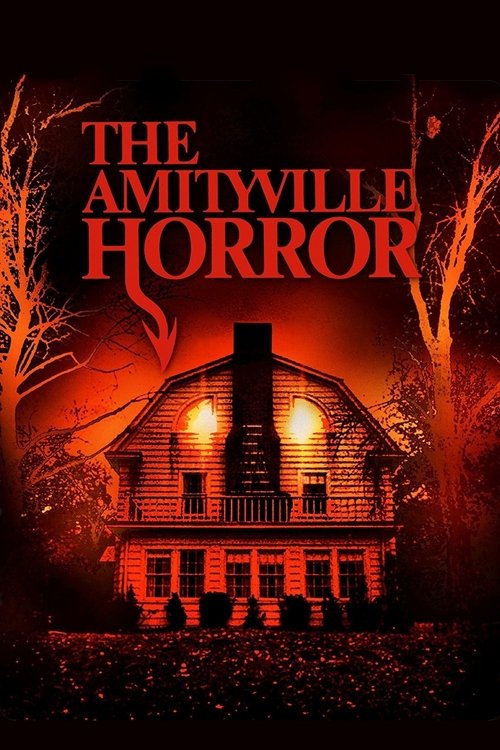
The Amityville Horror
George Lutz, his wife Kathy, and their three children have just moved into a beautiful, and improbably cheap, Victorian mansion nestled in the sleepy coastal town of Amityville, Long Island. However, their dream home is concealing a horrific past and soon each member of the Lutz family is plagued with increasingly strange and violent visions and impulses.
Despite its limited budget of $4.7M, The Amityville Horror became a runaway success, earning $86.4M worldwide—a remarkable 1739% return. The film's unique voice attracted moviegoers, proving that strong storytelling can transcend budget limitations.
Nominated for 1 Oscar. 8 nominations


Plot Structure
Story beats plotted across runtime


Narrative Arc
Emotional journey through the story's key moments
Story Circle
Blueprint 15-beat structure
Arcplot Score Breakdown
Weighted: Precision (70%) + Arc (15%) + Theme (15%)
The Amityville Horror (1979) demonstrates meticulously timed plot construction, characteristic of Stuart Rosenberg's storytelling approach. This structural analysis examines how the film's 15-point plot structure maps to proven narrative frameworks across 1 hour and 58 minutes. With an Arcplot score of 6.7, the film balances conventional beats with creative variation.
Characters
Cast & narrative archetypes

George Lutz
Kathy Lutz
Father Delaney
Amy Lutz
Greg Lutz
Matt Lutz
Main Cast & Characters
George Lutz
Played by James Brolin
Stepfather and patriarch who moves his family into the haunted house, becoming increasingly possessed by its malevolent influence.
Kathy Lutz
Played by Margot Kidder
Mother and wife who struggles to protect her children as she witnesses her husband's terrifying transformation.
Father Delaney
Played by Rod Steiger
Catholic priest who attempts to bless the house but faces supernatural resistance and personal torment.
Amy Lutz
Played by Natasha Ryan
Young daughter who forms an unsettling connection with an invisible demonic entity named Jody.
Greg Lutz
Played by K.C. Martel
Older son who experiences disturbing supernatural events in the house.
Matt Lutz
Played by Meeno Peluce
Middle child who witnesses the family's deterioration and the house's evil influence.
Structural Analysis
The Status Quo at 1 minutes (1% through the runtime) establishes The DeFeo murders: Ronald DeFeo Jr. Systematically kills his entire family in their beds at 112 Ocean Avenue, establishing the house's dark history before the Lutzes arrive.. Significantly, this early placement immediately immerses viewers in the story world.
The inciting incident occurs at 15 minutes when The Lutzes move in. Immediately, Father Delaney arrives to bless the house and is violently driven out by a demonic voice shouting "GET OUT!" accompanied by a fly infestation. The house actively rejects spiritual protection.. At 12% through the film, this Disruption aligns precisely with traditional story structure. This beat shifts the emotional landscape, launching the protagonist into the central conflict.
The First Threshold at 30 minutes marks the transition into Act II, occurring at 26% of the runtime. This shows the protagonist's commitment to George chooses to stay despite mounting evidence of danger. After a series of disturbing events, Kathy suggests leaving, but George insists they've invested everything and can't abandon their dream home. They commit to staying and fighting whatever is happening., moving from reaction to action.
At 60 minutes, the Midpoint arrives at 50% of the runtime—precisely centered, creating perfect narrative symmetry. The analysis reveals that this crucial beat George wakes up at 3:15 AM (the time of the DeFeo murders) and nearly kills the family dog with an axe, mirroring Ronald DeFeo's violence. He's becoming possessed. False defeat: the house is winning, transforming George into a killer., fundamentally raising what's at risk. The emotional intensity shifts, dividing the narrative into clear before-and-after phases.
The Collapse moment at 89 minutes (75% through) represents the emotional nadir. Here, George is fully possessed, advancing on Kathy with murderous intent while she's trapped. The children are in mortal danger from "Jody." The family is about to be destroyed just like the DeFeos. All hope seems lost - they will die in this house., illustrates the protagonist at their lowest point. This beat's placement in the final quarter sets up the climactic reversal.
The Second Threshold at 95 minutes initiates the final act resolution at 81% of the runtime. George breaks free from possession through love for his family. Kathy realizes they must leave immediately - the house cannot be defeated, only escaped. They choose survival over the dream, family over pride. "We're getting out!"., demonstrating the transformation achieved throughout the journey.
Emotional Journey
The Amityville Horror's emotional architecture traces a deliberate progression across 15 carefully calibrated beats.
Narrative Framework
This structural analysis employs proven narrative structure principles that track dramatic progression. By mapping The Amityville Horror against these established plot points, we can identify how Stuart Rosenberg utilizes or subverts traditional narrative conventions. The plot point approach reveals not only adherence to structural principles but also creative choices that distinguish The Amityville Horror within the horror genre.
Stuart Rosenberg's Structural Approach
Among the 3 Stuart Rosenberg films analyzed on Arcplot, the average structural score is 6.7, demonstrating varied approaches to story architecture. The Amityville Horror represents one of the director's most structurally precise works. For comparative analysis, explore the complete Stuart Rosenberg filmography.
Comparative Analysis
Additional horror films include Thinner, A Nightmare on Elm Street and Mary Reilly. For more Stuart Rosenberg analyses, see Cool Hand Luke, The Pope of Greenwich Village.
Plot Points by Act
Act I
SetupStatus Quo
The DeFeo murders: Ronald DeFeo Jr. systematically kills his entire family in their beds at 112 Ocean Avenue, establishing the house's dark history before the Lutzes arrive.
Theme
The real estate agent tells the Lutzes about the murders, asking "Doesn't it bother you?" Kathy responds they can live with it. Theme: can we escape the past, or does evil linger in place?
Worldbuilding
The Lutz family tours and purchases 112 Ocean Avenue despite its history. We see their happy blended family, George and Kathy's love, their financial stretch to afford the dream house, and their optimism about new beginnings.
Disruption
The Lutzes move in. Immediately, Father Delaney arrives to bless the house and is violently driven out by a demonic voice shouting "GET OUT!" accompanied by a fly infestation. The house actively rejects spiritual protection.
Resistance
Strange occurrences begin: George becomes obsessed with the boathouse and keeping the fire going, growing increasingly cold and irritable. Kathy notices changes in his behavior. Father Delaney attempts to help but is thwarted by supernatural forces. The family debates whether something is wrong.
Act II
ConfrontationFirst Threshold
George chooses to stay despite mounting evidence of danger. After a series of disturbing events, Kathy suggests leaving, but George insists they've invested everything and can't abandon their dream home. They commit to staying and fighting whatever is happening.
Mirror World
Father Delaney represents the spiritual dimension and the fight between good and evil. His struggle to help the family despite supernatural attacks mirrors George's internal battle. He embodies the theme: faith versus malevolent force.
Premise
The horror escalates: Kathy has nightmares about the murders, Amy talks to her invisible friend "Jody" (a demonic pig entity), George's personality deteriorates, mysterious noises and cold spots intensify. The family experiences the full premise of a haunted house battle.
Midpoint
George wakes up at 3:15 AM (the time of the DeFeo murders) and nearly kills the family dog with an axe, mirroring Ronald DeFeo's violence. He's becoming possessed. False defeat: the house is winning, transforming George into a killer.
Opposition
The supernatural attacks intensify relentlessly. Kathy is attacked by unseen forces, George becomes increasingly violent and distant, Amy is endangered by "Jody," the house physically manifests its evil through bleeding walls and demonic visions. The family fractures under assault.
Collapse
George is fully possessed, advancing on Kathy with murderous intent while she's trapped. The children are in mortal danger from "Jody." The family is about to be destroyed just like the DeFeos. All hope seems lost - they will die in this house.
Crisis
In the darkness of possession and terror, Kathy fights for George's soul, screaming his name and their love. George struggles internally against the demonic force controlling him. The family faces annihilation or salvation.
Act III
ResolutionSecond Threshold
George breaks free from possession through love for his family. Kathy realizes they must leave immediately - the house cannot be defeated, only escaped. They choose survival over the dream, family over pride. "We're getting out!"
Synthesis
The family flees through supernatural chaos: doors slam, windows explode, demonic forces try to prevent their escape. They rescue the children, fight through the house's final assault, and race to their car as the house rages behind them.
Transformation
The Lutz family drives away from 112 Ocean Avenue forever, leaving behind all their possessions but alive and together. The house stands empty and malevolent. They chose family over material dreams - transformed by survival.