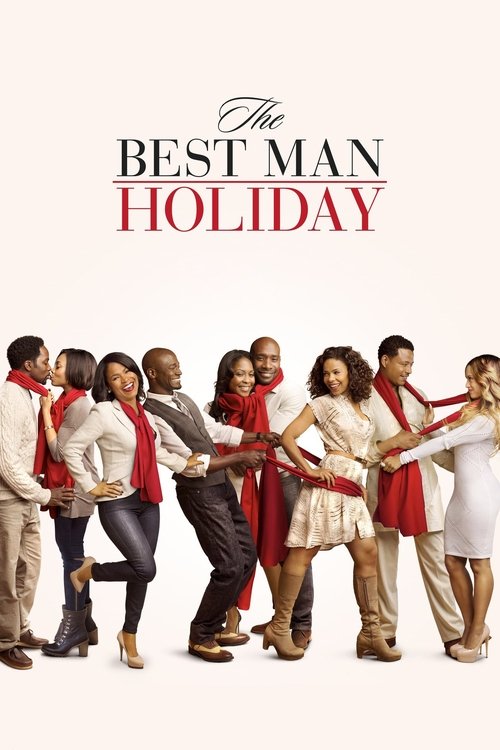
The Best Man Holiday
When college friends reunite after 15 years over the Christmas holidays, they discover just how easy it is for long-forgotten rivalries and romances to be reignited.
Despite a moderate budget of $17.0M, The Best Man Holiday became a commercial success, earning $71.6M worldwide—a 321% return.









Plot Structure
Story beats plotted across runtime


Narrative Arc
Emotional journey through the story's key moments
Story Circle
Blueprint 15-beat structure
Arcplot Score Breakdown
Weighted: Precision (70%) + Arc (15%) + Theme (15%)
The Best Man Holiday (2013) reveals carefully calibrated narrative design, characteristic of Malcolm D. Lee's storytelling approach. This structural analysis examines how the film's 11-point plot structure maps to proven narrative frameworks across 2 hours and 3 minutes. With an Arcplot score of 6.8, the film balances conventional beats with creative variation.
Structural Analysis
The Status Quo at 2 minutes (1% through the runtime) establishes Harper struggles financially as a writer; his marriage is strained. The group is scattered and disconnected after years apart, carrying unresolved conflicts from the past.. Notably, this early placement immediately immerses viewers in the story world.
The inciting incident occurs at 16 minutes when Lance invites the entire college friend group to his mansion for Christmas, ostensibly for a reunion. The invitation forces estranged friends to confront whether to come together despite past wounds.. At 13% through the film, this Disruption is delayed, allowing extended setup of the story world. This beat shifts the emotional landscape, launching the protagonist into the central conflict.
At 63 minutes, the Midpoint arrives at 51% of the runtime—precisely centered, creating perfect narrative symmetry. Notably, this crucial beat The truth about Harper's past betrayal—writing a book exposing Lance's secrets—explodes in confrontation. Old wounds rip open; the façade of the happy reunion shatters. Stakes raise as Mia's condition worsens simultaneously., fundamentally raising what's at risk. The emotional intensity shifts, dividing the narrative into clear before-and-after phases.
The Collapse moment at 92 minutes (75% through) represents the emotional nadir. Here, Mia dies, devastating Lance and the entire group. The literal death at the heart of the story forces everyone to face mortality, regret, and the fragility of life and relationships., illustrates the protagonist at their lowest point. This beat's placement in the final quarter sets up the climactic reversal.
The Synthesis at 99 minutes initiates the final act resolution at 81% of the runtime. The funeral and aftermath. The friends honor Mia's memory by embodying her values: supporting Lance, forgiving each other, recommitting to their relationships. Harper and Lance reconcile. The group comes together as a true family, healed and unified., demonstrating the transformation achieved throughout the journey.
Emotional Journey
The Best Man Holiday's emotional architecture traces a deliberate progression across 11 carefully calibrated beats.
Narrative Framework
This structural analysis employs a 15-point narrative structure framework that maps key story moments. By mapping The Best Man Holiday against these established plot points, we can identify how Malcolm D. Lee utilizes or subverts traditional narrative conventions. The plot point approach reveals not only adherence to structural principles but also creative choices that distinguish The Best Man Holiday within the comedy genre.
Malcolm D. Lee's Structural Approach
Among the 9 Malcolm D. Lee films analyzed on Arcplot, the average structural score is 7.2, reflecting strong command of classical structure. The Best Man Holiday takes a more unconventional approach compared to the director's typical style. For comparative analysis, explore the complete Malcolm D. Lee filmography.
Comparative Analysis
Additional comedy films include The Ministry of Ungentlemanly Warfare, The Bad Guys and Lake Placid. For more Malcolm D. Lee analyses, see Space Jam: A New Legacy, Night School and Soul Men.
Plot Points by Act
Act I
SetupStatus Quo
Harper struggles financially as a writer; his marriage is strained. The group is scattered and disconnected after years apart, carrying unresolved conflicts from the past.
Theme
Mia or Robyn speaks about the importance of forgiveness and holding onto the people who matter, foreshadowing the journey the group must take to reconcile.
Worldbuilding
Introduction of the scattered friends: Harper and his wife Robyn struggling with finances and a failing marriage; Lance as a football star with a perfect life; Murch, Quentin, Jordan, Shelby dealing with their own challenges. Past betrayals and tensions are hinted at.
Disruption
Lance invites the entire college friend group to his mansion for Christmas, ostensibly for a reunion. The invitation forces estranged friends to confront whether to come together despite past wounds.
Resistance
The friends debate attending and prepare for the reunion. Harper is particularly reluctant given his betrayal of Lance years ago. Each character weighs their hesitations against their curiosity and nostalgia for their friendship.
Act II
ConfrontationPremise
The friends navigate the Christmas reunion: rekindling old romances, confronting past betrayals, sharing laughs and tears. Harper and Lance circle around their unresolved tension. The group experiences the joy of reconnection mixed with the shadow of Mia's illness.
Midpoint
The truth about Harper's past betrayal—writing a book exposing Lance's secrets—explodes in confrontation. Old wounds rip open; the façade of the happy reunion shatters. Stakes raise as Mia's condition worsens simultaneously.
Opposition
Tensions escalate among the group as various conflicts come to a head: marriages strain, temptations arise, resentments boil over. Mia's health deteriorates rapidly, adding urgency and forcing everyone to confront what truly matters.
Collapse
Mia dies, devastating Lance and the entire group. The literal death at the heart of the story forces everyone to face mortality, regret, and the fragility of life and relationships.
Crisis
The friends grieve together in the darkness following Mia's death. They sit with their pain, their guilt, their love for each other and for her. This shared suffering becomes the crucible for transformation and forgiveness.
Act III
ResolutionSynthesis
The funeral and aftermath. The friends honor Mia's memory by embodying her values: supporting Lance, forgiving each other, recommitting to their relationships. Harper and Lance reconcile. The group comes together as a true family, healed and unified.