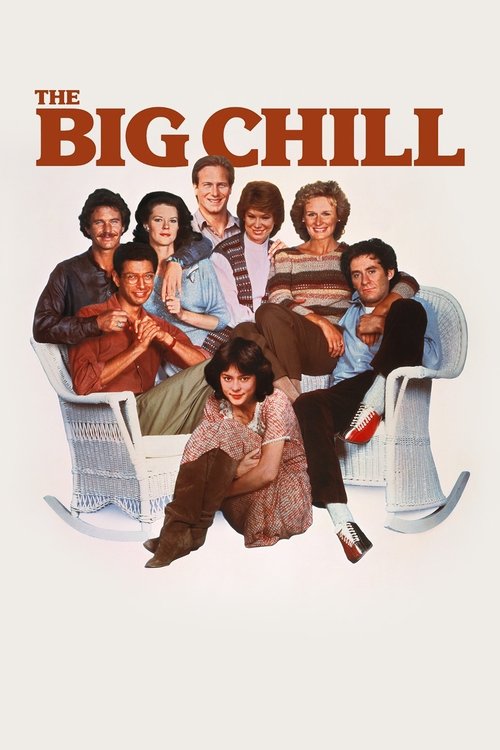
The Big Chill
Seven old college friends gather for a weekend reunion after the funeral of one of their own.
Despite its tight budget of $8.0M, The Big Chill became a runaway success, earning $56.3M worldwide—a remarkable 604% return. The film's innovative storytelling found its audience, confirming that strong storytelling can transcend budget limitations.
Nominated for 3 Oscars. 3 wins & 8 nominations


Plot Structure
Story beats plotted across runtime


Narrative Arc
Emotional journey through the story's key moments
Story Circle
Blueprint 15-beat structure
Arcplot Score Breakdown
Weighted: Precision (70%) + Arc (15%) + Theme (15%)
The Big Chill (1983) showcases precise dramatic framework, characteristic of Lawrence Kasdan's storytelling approach. This structural analysis examines how the film's 15-point plot structure maps to proven narrative frameworks across 1 hour and 45 minutes. With an Arcplot score of 6.4, the film takes an unconventional approach to traditional narrative frameworks.
Characters
Cast & narrative archetypes

Sarah Cooper
Harold Cooper
Michael Gold
Nick Carlton
Karen Bowens
Sam Weber
Meg Jones
Chloe
Main Cast & Characters
Sarah Cooper
Played by Glenn Close
A doctor and former girlfriend of Alex, hosting the reunion weekend at her home with her husband Harold.
Harold Cooper
Played by Kevin Kline
Sarah's husband, a successful running shoe entrepreneur who provides stability and hosts the reunion.
Michael Gold
Played by Jeff Goldblum
A People magazine journalist who has abandoned his idealistic writing ambitions for celebrity journalism.
Nick Carlton
Played by William Hurt
A former radio psychologist turned drug dealer, cynical and emotionally wounded from Vietnam.
Karen Bowens
Played by JoBeth Williams
An unhappily married housewife who once had an affair with Sam and still harbors feelings for him.
Sam Weber
Played by Tom Berenger
A successful television actor starring in a detective series, struggling with selling out his ideals.
Meg Jones
Played by Mary Kay Place
A successful real estate attorney who wants to have a baby before her biological clock runs out.
Chloe
Played by Meg Tilly
Alex's much younger girlfriend, a sociology student trying to understand the group and her late boyfriend.
Structural Analysis
The Status Quo at 1 minutes (1% through the runtime) establishes The opening montage intercuts Alex's body being prepared for burial with each friend receiving the devastating phone call about his suicide. Their ordinary lives are shown being interrupted—Harold and Sarah at home, Sam on a TV set, Michael at work—establishing the scattered, disconnected state of these former idealists before they reunite.. Structural examination shows that this early placement immediately immerses viewers in the story world.
The inciting incident occurs at 13 minutes when After the funeral, Harold invites everyone to stay for the weekend rather than scatter back to their separate lives. This decision to extend the gathering transforms a brief reunion into an extended confrontation with their pasts, their choices, and each other. Alex's death becomes not just an ending but a catalyst for reckoning.. At 12% through the film, this Disruption aligns precisely with traditional story structure. This beat shifts the emotional landscape, launching the protagonist into the central conflict.
The First Threshold at 26 minutes marks the transition into Act II, occurring at 25% of the runtime. This demonstrates the protagonist's commitment to During the first group dinner, the careful facades begin to crack. The friends actively choose to drop pretense and engage honestly with each other and their shared past. The music, the wine, and the proximity dissolve their adult defenses, and they collectively cross into a weekend of genuine reckoning rather than polite mourning., moving from reaction to action.
At 53 minutes, the Midpoint arrives at 50% of the runtime—precisely centered, creating perfect narrative symmetry. Of particular interest, this crucial beat The false victory of nostalgic reunion collapses when the group's late-night conversation turns to why Alex really killed himself—and by extension, why they've all settled for less than their ideals promised. Michael's cynical journalism, Sam's hollow fame, and Nick's impotence become metaphors for the death of their generation's dreams. The fun gives way to painful reckoning., fundamentally raising what's at risk. The emotional intensity shifts, dividing the narrative into clear before-and-after phases.
The Collapse moment at 79 minutes (75% through) represents the emotional nadir. Here, The Collapse comes when Nick, in a moment of devastating honesty, reveals the depth of his damage—impotent from Vietnam, numbed by drugs, he represents Alex's path not taken but understood. The "whiff of death" is literal: Alex chose death, and Nick is choosing a slow version of the same. The group must confront that their friend's suicide was a judgment on them all., illustrates the protagonist at their lowest point. This beat's placement in the final quarter sets up the climactic reversal.
The Second Threshold at 84 minutes initiates the final act resolution at 80% of the runtime. Sarah makes an extraordinary offer: she suggests Harold father Meg's child, with her blessing. This radical act of generosity and unconventional solution synthesizes the weekend's themes—that love and friendship can transcend conventional boundaries, that they can still choose idealism over conformity. The group collectively decides to make meaning from Alex's death., demonstrating the transformation achieved throughout the journey.
Emotional Journey
The Big Chill's emotional architecture traces a deliberate progression across 15 carefully calibrated beats.
Narrative Framework
This structural analysis employs systematic plot point analysis that identifies crucial turning points. By mapping The Big Chill against these established plot points, we can identify how Lawrence Kasdan utilizes or subverts traditional narrative conventions. The plot point approach reveals not only adherence to structural principles but also creative choices that distinguish The Big Chill within the comedy genre.
Lawrence Kasdan's Structural Approach
Among the 8 Lawrence Kasdan films analyzed on Arcplot, the average structural score is 6.8, demonstrating varied approaches to story architecture. The Big Chill takes a more unconventional approach compared to the director's typical style. For comparative analysis, explore the complete Lawrence Kasdan filmography.
Comparative Analysis
Additional comedy films include The Bad Guys, Ella Enchanted and The Evening Star. For more Lawrence Kasdan analyses, see The Accidental Tourist, French Kiss and Grand Canyon.
Plot Points by Act
Act I
SetupStatus Quo
The opening montage intercuts Alex's body being prepared for burial with each friend receiving the devastating phone call about his suicide. Their ordinary lives are shown being interrupted—Harold and Sarah at home, Sam on a TV set, Michael at work—establishing the scattered, disconnected state of these former idealists before they reunite.
Theme
During the funeral service, the minister's eulogy attempts to make sense of Alex's death, but it's Karen who whispers to Meg that Alex would have hated this formality. The disconnect between the institutional mourning and Alex's spirit embodies the theme: how do we stay true to who we were when life demands conformity?
Worldbuilding
The funeral and its immediate aftermath establish this world of aging baby boomers. We see their successful but hollow adult lives: Harold's running shoe empire, Sam's empty TV fame, Michael's tabloid journalism. The gathering at Harold and Sarah's South Carolina home introduces the ensemble dynamics and the weight of shared history.
Disruption
After the funeral, Harold invites everyone to stay for the weekend rather than scatter back to their separate lives. This decision to extend the gathering transforms a brief reunion into an extended confrontation with their pasts, their choices, and each other. Alex's death becomes not just an ending but a catalyst for reckoning.
Resistance
The group settles into the weekend, initially navigating polite conversation and suppressed tensions. They debate whether to stay, what it means, and struggle with the discomfort of confronting how much they've changed. Chloe, Alex's young girlfriend, serves as an uncomfortable mirror—she represents the idealism they've abandoned.
Act II
ConfrontationFirst Threshold
During the first group dinner, the careful facades begin to crack. The friends actively choose to drop pretense and engage honestly with each other and their shared past. The music, the wine, and the proximity dissolve their adult defenses, and they collectively cross into a weekend of genuine reckoning rather than polite mourning.
Mirror World
The group's late-night conversations and reconnections begin in earnest. The Mirror World in this ensemble piece is the collective dynamic itself—each character reflecting aspects of the others' unlived lives. Meg's desire for a child, Nick's drug-numbed withdrawal, and Karen's trapped marriage all mirror paths the others might have taken.
Premise
The promise of the premise unfolds: old friends reconnecting, reminiscing, and confronting buried truths. They cook together, play football, listen to Motown, and engage in increasingly honest late-night conversations. Old attractions resurface, secrets emerge, and the comfortable nostalgia gives way to deeper revelations about their disappointments and compromises.
Midpoint
The false victory of nostalgic reunion collapses when the group's late-night conversation turns to why Alex really killed himself—and by extension, why they've all settled for less than their ideals promised. Michael's cynical journalism, Sam's hollow fame, and Nick's impotence become metaphors for the death of their generation's dreams. The fun gives way to painful reckoning.
Opposition
The weekend's second half turns darker as individual crises surface. Meg desperately seeks someone to father her child. Karen and Sam's flirtation threatens both their situations. Nick's Vietnam trauma and drug addiction are exposed. Michael's manipulative nature becomes clear. The opposition isn't external but the accumulated weight of their compromises and self-deceptions.
Collapse
The Collapse comes when Nick, in a moment of devastating honesty, reveals the depth of his damage—impotent from Vietnam, numbed by drugs, he represents Alex's path not taken but understood. The "whiff of death" is literal: Alex chose death, and Nick is choosing a slow version of the same. The group must confront that their friend's suicide was a judgment on them all.
Crisis
The Dark Night of the Soul settles over the house. The friends sit with the weight of what they've admitted and discovered. The music stops, the laughter fades, and they must decide whether this weekend will change anything or whether they'll return to their compromised lives unchanged. The silence holds both despair and possibility.
Act III
ResolutionSecond Threshold
Sarah makes an extraordinary offer: she suggests Harold father Meg's child, with her blessing. This radical act of generosity and unconventional solution synthesizes the weekend's themes—that love and friendship can transcend conventional boundaries, that they can still choose idealism over conformity. The group collectively decides to make meaning from Alex's death.
Synthesis
The final morning brings resolution without false hope. Harold and Meg will attempt to conceive. Karen returns to her husband but changed. Sam and Karen's affair resolves with mature acceptance rather than destruction. Michael finds a real story in the weekend's truths. Nick stays on, finding purpose in managing Harold's property. They choose connection over isolation.
Transformation
The final image shows the group in the kitchen, washing dishes together in comfortable silence, while "Ain't Too Proud to Beg" plays. Unlike the fragmented opening where they received phone calls in isolation, they're now united in simple domestic communion. They haven't solved everything, but they've chosen to remain connected. The transformation is subtle but real: from isolated compromise to chosen community.