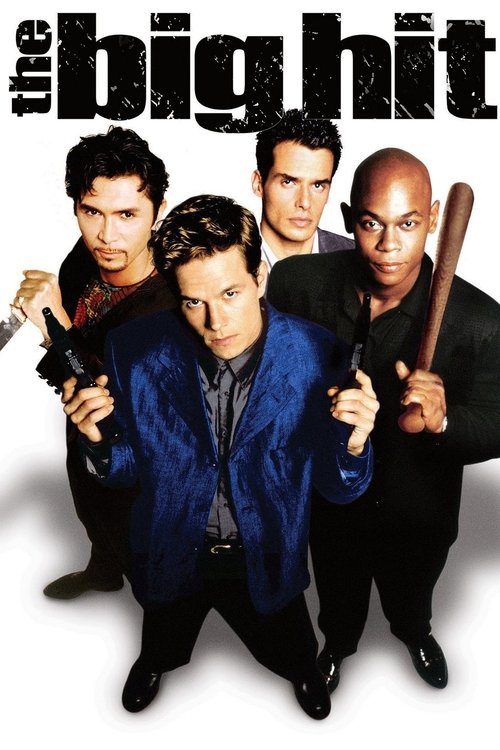
The Big Hit
Affable hit man Melvin Smiley is constantly being scammed by his cutthroat colleagues in the life-ending business. So, when he and his fellow assassins kidnap the daughter of an electronics mogul, it's naturally Melvin who takes the fall when their prime score turns sour. That's because the girl is the goddaughter of the gang's ruthless crime boss. But, even while dodging bullets, Melvin has to keep his real job secret from his unsuspecting fiancée, Pam.
Despite its small-scale budget of $13.0M, The Big Hit became a solid performer, earning $27.0M worldwide—a 108% return.


Plot Structure
Story beats plotted across runtime


Narrative Arc
Emotional journey through the story's key moments
Story Circle
Blueprint 15-beat structure
Arcplot Score Breakdown
Weighted: Precision (70%) + Arc (15%) + Theme (15%)
The Big Hit (1998) exemplifies meticulously timed narrative architecture, characteristic of Kirk Wong Chi-Keung's storytelling approach. This structural analysis examines how the film's 15-point plot structure maps to proven narrative frameworks across 1 hour and 31 minutes. With an Arcplot score of 7.7, the film showcases strong structural fundamentals.
Characters
Cast & narrative archetypes

Melvin Smiley
Cisco
Pam Shulman
Keiko Nishi
Crunch
Vince
Gump
Main Cast & Characters
Melvin Smiley
Played by Mark Wahlberg
A skilled hitman who moonlights as a nice guy, struggling to please everyone while juggling a demanding fiancée and a kidnapping scheme gone wrong.
Cisco
Played by Lou Diamond Phillips
The ruthless and volatile leader of the hit crew who bullies Melvin and manipulates the team for his own gain.
Pam Shulman
Played by Christina Applegate
Melvin's demanding, materialistic fiancée who constantly pushes him to make more money and meet her expensive expectations.
Keiko Nishi
Played by China Chow
The kidnapped daughter of a Japanese businessman who develops an unexpected bond with her captor Melvin.
Crunch
Played by Bokeem Woodbine
A loyal member of the hit crew and Melvin's closest friend who tries to support him through his chaotic life.
Vince
Played by Antonio Sabato Jr.
Another member of the hit crew who participates in the kidnapping scheme alongside the others.
Gump
Played by Avery Brooks
A crew member who gets caught up in the increasingly dangerous kidnapping plot.
Structural Analysis
The Status Quo at 1 minutes (1% through the runtime) establishes Melvin Smiley, a likable hitman, is introduced juggling his demanding fiancée Pam, his high-maintenance lifestyle, and his role as the nicest guy in a crew of professional killers.. The analysis reveals that this early placement immediately immerses viewers in the story world.
The inciting incident occurs at 12 minutes when Cisco proposes an unauthorized side-job: kidnapping for ransom. Melvin reluctantly agrees, unable to say no. The crew kidnaps Keiko Nishi, who turns out to be the goddaughter of their own boss, Paris.. At 13% through the film, this Disruption is delayed, allowing extended setup of the story world. This beat shifts the emotional landscape, launching the protagonist into the central conflict.
The First Threshold at 23 minutes marks the transition into Act II, occurring at 25% of the runtime. This illustrates the protagonist's commitment to Melvin actively chooses to go through with the ransom scheme rather than confess. He makes the ransom call to Keiko's wealthy father, committing fully to the kidnapping plan and entering the world of deception., moving from reaction to action.
At 45 minutes, the Midpoint arrives at 49% of the runtime—precisely centered, creating perfect narrative symmetry. The analysis reveals that this crucial beat False defeat: Paris discovers his goddaughter is missing and suspects his own crew. The trace killer Gump is hired to find and kill whoever took Keiko. Stakes raise dramatically as Melvin realizes he's now hunted by both sides., fundamentally raising what's at risk. The emotional intensity shifts, dividing the narrative into clear before-and-after phases.
The Collapse moment at 68 minutes (75% through) represents the emotional nadir. Here, All is lost: Cisco takes Keiko and the ransom money, betraying Melvin completely. Melvin is left with nothing—no money, no girl, no respect from his crew. His inability to stand up for himself has cost him everything., demonstrates the protagonist at their lowest point. This beat's placement in the final quarter sets up the climactic reversal.
The Second Threshold at 72 minutes initiates the final act resolution at 79% of the runtime. Synthesis moment: Melvin decides to rescue Keiko not to please anyone, but because it's the right thing to do. He combines his combat skills with newfound assertiveness, choosing authentic action over people-pleasing., demonstrating the transformation achieved throughout the journey.
Emotional Journey
The Big Hit's emotional architecture traces a deliberate progression across 15 carefully calibrated beats.
Narrative Framework
This structural analysis employs proven narrative structure principles that track dramatic progression. By mapping The Big Hit against these established plot points, we can identify how Kirk Wong Chi-Keung utilizes or subverts traditional narrative conventions. The plot point approach reveals not only adherence to structural principles but also creative choices that distinguish The Big Hit within the action genre.
Comparative Analysis
Additional action films include The Bad Guys, Puss in Boots and Venom: The Last Dance.
Plot Points by Act
Act I
SetupStatus Quo
Melvin Smiley, a likable hitman, is introduced juggling his demanding fiancée Pam, his high-maintenance lifestyle, and his role as the nicest guy in a crew of professional killers.
Theme
Cisco discusses how being a people-pleaser gets you nowhere: "You can't please everybody." This establishes the theme about learning to stand up for yourself and stop being a doormat.
Worldbuilding
Setup of Melvin's double life: professional hitman by day, people-pleaser constantly. His crew dynamics, demanding fiancée Pam, his secretly married Jewish mistress Chantel, crushing debt, and his inability to say no are established.
Disruption
Cisco proposes an unauthorized side-job: kidnapping for ransom. Melvin reluctantly agrees, unable to say no. The crew kidnaps Keiko Nishi, who turns out to be the goddaughter of their own boss, Paris.
Resistance
Melvin debates what to do with the kidnapping gone wrong. He hides Keiko at his house while dealing with Pam's demands, Chantel's surprise visits, and the crew's pressure. He's torn between coming clean and going through with the ransom.
Act II
ConfrontationFirst Threshold
Melvin actively chooses to go through with the ransom scheme rather than confess. He makes the ransom call to Keiko's wealthy father, committing fully to the kidnapping plan and entering the world of deception.
Mirror World
Melvin bonds with captive Keiko, who sees through his nice-guy act and challenges him. She becomes the mirror character who will teach him about authenticity and standing up for himself.
Premise
The fun and games of juggling chaos: Melvin tries to keep Keiko hidden while hosting Pam's demanding parents, dodging Chantel, collecting ransom, and avoiding Paris. Action-comedy set pieces of near-misses and comic escalation.
Midpoint
False defeat: Paris discovers his goddaughter is missing and suspects his own crew. The trace killer Gump is hired to find and kill whoever took Keiko. Stakes raise dramatically as Melvin realizes he's now hunted by both sides.
Opposition
Everything tightens: Cisco betrays Melvin, Paris closes in, Gump hunts them, Pam's parents discover the truth, and Chantel's husband arrives. Melvin's people-pleasing creates more problems as his lies unravel from all directions.
Collapse
All is lost: Cisco takes Keiko and the ransom money, betraying Melvin completely. Melvin is left with nothing—no money, no girl, no respect from his crew. His inability to stand up for himself has cost him everything.
Crisis
Dark night: Melvin hits bottom, processing his failure. Keiko's earlier words about being authentic resonate. He realizes he must stop trying to please everyone and take decisive action for what's right.
Act III
ResolutionSecond Threshold
Synthesis moment: Melvin decides to rescue Keiko not to please anyone, but because it's the right thing to do. He combines his combat skills with newfound assertiveness, choosing authentic action over people-pleasing.
Synthesis
Final confrontation: Melvin storms the exchange location, fights Gump, faces down Cisco and the crew, and rescues Keiko. He finally stands up to everyone—including Paris—demonstrating his transformation from doormat to decisive hero.
Transformation
Closing image: Melvin, now confident and authentic, walks away with Keiko. He's no longer the guy who can't say no—he's learned to stand up for himself and prioritize what truly matters. The nice guy has found his backbone.