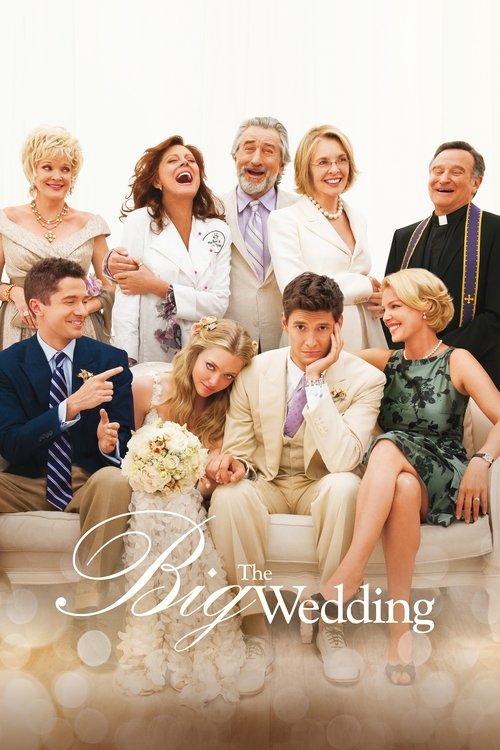
The Big Wedding
To the amusement of their adult children and friends, long-divorced couple Don and Ellie Griffin are forced to play the happy couple for the sake of their adopted son's wedding after his ultra conservative Catholic biological mother unexpectedly decides to fly halfway across the world to attend. With all of the wedding guests looking on, the Griffins are hilariously forced to confront their past, present and future - and hopefully avoid killing each other in the process.
The film underperformed commercially against its respectable budget of $35.0M, earning $21.8M globally (-38% loss). While initial box office returns were modest, the film has gained appreciation for its bold vision within the comedy genre.








Plot Structure
Story beats plotted across runtime


Narrative Arc
Emotional journey through the story's key moments
Story Circle
Blueprint 15-beat structure
Arcplot Score Breakdown
Weighted: Precision (70%) + Arc (15%) + Theme (15%)
The Big Wedding (2013) exhibits deliberately positioned narrative architecture, characteristic of Justin Zackham's storytelling approach. This structural analysis examines how the film's 15-point plot structure maps to proven narrative frameworks across 1 hour and 30 minutes. With an Arcplot score of 6.7, the film balances conventional beats with creative variation.
Structural Analysis
The Status Quo at 1 minutes (1% through the runtime) establishes Don and Bebe are together in their lakeside home, living their post-divorce life. The opening establishes the fractured but functional family dynamic with Don having moved on with Bebe after divorcing Ellie.. Notably, this early placement immediately immerses viewers in the story world.
The inciting incident occurs at 11 minutes when Alejandro reveals that his conservative biological mother Madonna is coming from Colombia for the wedding and doesn't know Don and Ellie are divorced. He begs them to pretend to still be married, creating the central conflict.. At 12% through the film, this Disruption aligns precisely with traditional story structure. This beat shifts the emotional landscape, launching the protagonist into the central conflict.
The First Threshold at 22 minutes marks the transition into Act II, occurring at 25% of the runtime. This shows the protagonist's commitment to Don and Ellie commit to the plan. Ellie moves back into the house and they agree to play the role of happily married couple for the weekend. The charade officially begins., moving from reaction to action.
At 44 minutes, the Midpoint arrives at 49% of the runtime—precisely centered, creating perfect narrative symmetry. Of particular interest, this crucial beat The charade becomes increasingly difficult as old feelings and resentments surface between Don and Ellie. A moment of intimacy or confrontation raises stakes and makes it clear the pretense is unsustainable and emotionally damaging., fundamentally raising what's at risk. The emotional intensity shifts, dividing the narrative into clear before-and-after phases.
The Collapse moment at 67 minutes (74% through) represents the emotional nadir. Here, The truth comes out during the wedding events. Madonna discovers the deception, or the family falls apart publicly. The carefully constructed facade collapses and the wedding itself is threatened. The lie dies., demonstrates the protagonist at their lowest point. This beat's placement in the final quarter sets up the climactic reversal.
The Second Threshold at 73 minutes initiates the final act resolution at 81% of the runtime. Someone speaks the truth about family and love - that imperfection and messiness don't disqualify them from being a real family. Madonna or another character has a realization that acceptance matters more than appearances., demonstrating the transformation achieved throughout the journey.
Emotional Journey
The Big Wedding's emotional architecture traces a deliberate progression across 15 carefully calibrated beats.
Narrative Framework
This structural analysis employs a 15-point narrative structure framework that maps key story moments. By mapping The Big Wedding against these established plot points, we can identify how Justin Zackham utilizes or subverts traditional narrative conventions. The plot point approach reveals not only adherence to structural principles but also creative choices that distinguish The Big Wedding within the comedy genre.
Comparative Analysis
Additional comedy films include The Ministry of Ungentlemanly Warfare, The Bad Guys and Lake Placid.
Plot Points by Act
Act I
SetupStatus Quo
Don and Bebe are together in their lakeside home, living their post-divorce life. The opening establishes the fractured but functional family dynamic with Don having moved on with Bebe after divorcing Ellie.
Theme
Alejandro or family member mentions that families are messy and complicated, but that's what makes them real. The theme of accepting imperfect family relationships is introduced.
Worldbuilding
We meet the extended Griffin family: Don's ex-wife Ellie, their children Lyla and Jared, Don's current partner Bebe, and adopted son Alejandro. The upcoming wedding to Missy is being planned, and the complicated family dynamics are established.
Disruption
Alejandro reveals that his conservative biological mother Madonna is coming from Colombia for the wedding and doesn't know Don and Ellie are divorced. He begs them to pretend to still be married, creating the central conflict.
Resistance
Don, Ellie, and Bebe debate the absurd request. Bebe must hide, Ellie must move back in, and they must all maintain the charade. There's resistance, awkwardness, and preparation for the pretense.
Act II
ConfrontationFirst Threshold
Don and Ellie commit to the plan. Ellie moves back into the house and they agree to play the role of happily married couple for the weekend. The charade officially begins.
Mirror World
Madonna arrives with Alejandro's biological sister Nuria. The family puts on their performance, and we see the contrast between the fake perfect marriage and the messy reality. Nuria represents innocence and authentic connection.
Premise
The comedy of the charade unfolds. Don and Ellie navigate pretending to be married while old tensions surface. Subplot romances develop: Jared with Nuria, Father Moinighan with Bebe. The premise delivers on the promise of awkward family comedy.
Midpoint
The charade becomes increasingly difficult as old feelings and resentments surface between Don and Ellie. A moment of intimacy or confrontation raises stakes and makes it clear the pretense is unsustainable and emotionally damaging.
Opposition
Complications multiply: secrets threaten to spill, the lie becomes harder to maintain, family tensions escalate. Bebe feels increasingly hurt hiding in the shadows. The family's dysfunctions are fully exposed as the wedding approaches.
Collapse
The truth comes out during the wedding events. Madonna discovers the deception, or the family falls apart publicly. The carefully constructed facade collapses and the wedding itself is threatened. The lie dies.
Crisis
The family confronts the fallout. Alejandro may lose his mother's blessing, relationships are strained, and everyone must face the truth about their imperfect family. Dark night of emotional reckoning.
Act III
ResolutionSecond Threshold
Someone speaks the truth about family and love - that imperfection and messiness don't disqualify them from being a real family. Madonna or another character has a realization that acceptance matters more than appearances.
Synthesis
The wedding proceeds with authenticity instead of pretense. The family embraces their true, complicated nature. Don and Ellie find closure, Bebe is welcomed, and Alejandro gets his mother's genuine blessing based on truth rather than lies.
Transformation
The wedding celebration in full swing with the real, imperfect family together and happy. The closing image mirrors the opening but shows authentic connection rather than maintained facades. Family has been redefined and accepted.