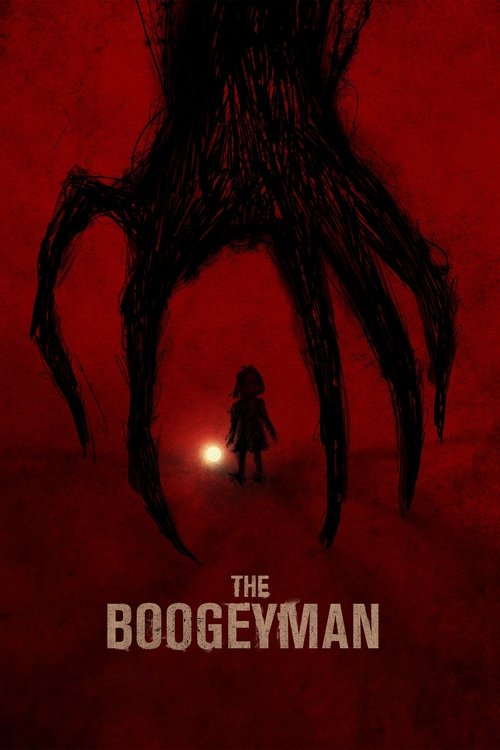
The Boogeyman
Still reeling from the tragic death of their mother, a teenage girl and her younger sister find themselves plagued by a sadistic presence in their house and struggle to get their grieving father to pay attention before it’s too late.
Despite a respectable budget of $35.0M, The Boogeyman became a solid performer, earning $82.3M worldwide—a 135% return.


Plot Structure
Story beats plotted across runtime


Narrative Arc
Emotional journey through the story's key moments
Story Circle
Blueprint 15-beat structure
Arcplot Score Breakdown
Weighted: Precision (70%) + Arc (15%) + Theme (15%)
The Boogeyman (2023) demonstrates deliberately positioned dramatic framework, characteristic of Rob Savage's storytelling approach. This structural analysis examines how the film's 15-point plot structure maps to proven narrative frameworks across 1 hour and 39 minutes. With an Arcplot score of 7.7, the film showcases strong structural fundamentals.
Characters
Cast & narrative archetypes

Sadie Harper
Will Harper
Sawyer Harper
Lester Billings
Dr. Weller
Main Cast & Characters
Sadie Harper
Played by Sophie Thatcher
A teenage girl struggling with grief after her mother's death who must protect her family from a supernatural entity.
Will Harper
Played by Chris Messina
A therapist and grieving widower trying to hold his family together while dealing with his own trauma.
Sawyer Harper
Played by Vivien Lyra Blair
A young girl traumatized by her mother's death who becomes the primary target of the Boogeyman.
Lester Billings
Played by David Dastmalchian
A disturbed man who brings the Boogeyman curse to the Harper family while seeking help from Will.
Dr. Weller
Played by LisaGay Hamilton
A psychiatrist who previously encountered the Boogeyman and provides crucial information about its nature.
Structural Analysis
The Status Quo at 1 minutes (1% through the runtime) establishes Sadie Harper struggles at school, isolated and grief-stricken after her mother's recent death. The family is fractured: father Will is emotionally distant, burying himself in work as a therapist, while younger sister Sawyer withdraws into fear and imagination.. The analysis reveals that this early placement immediately immerses viewers in the story world.
The inciting incident occurs at 12 minutes when Lester Billings, a desperate man, arrives unannounced at the Harper home claiming something killed his children. He speaks of a creature that feeds on fear and hides in darkness. Though Will tries to help him, Lester's presence brings the malevolent entity into their house.. At 12% through the film, this Disruption aligns precisely with traditional story structure. This beat shifts the emotional landscape, launching the protagonist into the central conflict.
The First Threshold at 25 minutes marks the transition into Act II, occurring at 26% of the runtime. This illustrates the protagonist's commitment to After witnessing the Boogeyman attack Sawyer in her bedroom, Sadie makes the active choice to believe the entity is real and takes responsibility for protecting her sister. She crosses into a world where the supernatural threat must be confronted, not rationalized away., moving from reaction to action.
At 50 minutes, the Midpoint arrives at 50% of the runtime—precisely centered, creating perfect narrative symmetry. Of particular interest, this crucial beat Sadie discovers the Boogeyman killed Lester Billings and has been living in their house ever since. The entity is now fully targeting the Harper family. What seemed like a mystery to solve becomes an immediate fight for survival. The stakes shift from understanding to life-or-death., fundamentally raising what's at risk. The emotional intensity shifts, dividing the narrative into clear before-and-after phases.
The Collapse moment at 75 minutes (76% through) represents the emotional nadir. Here, The Boogeyman drags Sawyer into the darkness of the closet, seemingly killing her. Sadie is overcome with grief and terror, believing she has failed to protect her sister just as she couldn't save her mother. This is her "death" moment—the loss of hope and the destruction of her last shred of family., reveals the protagonist at their lowest point. This beat's placement in the final quarter sets up the climactic reversal.
The Second Threshold at 80 minutes initiates the final act resolution at 81% of the runtime. Sadie synthesizes her emotional breakthrough with what she's learned about the Boogeyman: it feeds on fear and darkness. She realizes that confronting her grief—bringing it into the light—is the key to defeating the entity. She chooses to face both her trauma and the creature head-on., demonstrating the transformation achieved throughout the journey.
Emotional Journey
The Boogeyman's emotional architecture traces a deliberate progression across 15 carefully calibrated beats.
Narrative Framework
This structural analysis employs structural analysis methodology used to understand storytelling architecture. By mapping The Boogeyman against these established plot points, we can identify how Rob Savage utilizes or subverts traditional narrative conventions. The plot point approach reveals not only adherence to structural principles but also creative choices that distinguish The Boogeyman within the horror genre.
Comparative Analysis
Additional horror films include Thinner, A Nightmare on Elm Street and Mary Reilly.
Plot Points by Act
Act I
SetupStatus Quo
Sadie Harper struggles at school, isolated and grief-stricken after her mother's recent death. The family is fractured: father Will is emotionally distant, burying himself in work as a therapist, while younger sister Sawyer withdraws into fear and imagination.
Theme
Sadie's school counselor tells her "You can't run from grief forever. Eventually you have to face it." This establishes the film's central theme: confronting trauma rather than hiding from it in darkness.
Worldbuilding
The Harper household is established as a place haunted by absence. Will conducts therapy sessions at home. Sawyer is plagued by nightmares and fear of the dark. Sadie navigates hostile peers at school. The family avoids talking about their dead mother, each suffering alone.
Disruption
Lester Billings, a desperate man, arrives unannounced at the Harper home claiming something killed his children. He speaks of a creature that feeds on fear and hides in darkness. Though Will tries to help him, Lester's presence brings the malevolent entity into their house.
Resistance
Strange occurrences begin. Sawyer reports seeing something in her closet. Sadie investigates creaking sounds and shadows. Will dismisses their fears as grief-induced anxiety. The family debates whether the disturbances are real or psychological, with Sadie caught between protecting her sister and doubting her own sanity.
Act II
ConfrontationFirst Threshold
After witnessing the Boogeyman attack Sawyer in her bedroom, Sadie makes the active choice to believe the entity is real and takes responsibility for protecting her sister. She crosses into a world where the supernatural threat must be confronted, not rationalized away.
Mirror World
Sadie connects with her friend Bethany and begins researching Lester Billings' claims. This relationship subplot represents the theme: Bethany encourages Sadie to speak up and take action rather than remain passive in her grief and fear.
Premise
Sadie investigates the Boogeyman's nature, learning it feeds on grief and trauma, particularly targeting children. She discovers Lester's backstory and other victims. Meanwhile, the entity escalates its attacks on Sawyer, manifesting in closets and dark spaces. Sadie tries various methods to protect her sister while their father remains oblivious.
Midpoint
Sadie discovers the Boogeyman killed Lester Billings and has been living in their house ever since. The entity is now fully targeting the Harper family. What seemed like a mystery to solve becomes an immediate fight for survival. The stakes shift from understanding to life-or-death.
Opposition
The Boogeyman's attacks intensify. Will finally witnesses the entity but struggles to accept it. Sadie's attempts to fight back fail as the creature seems unstoppable. Her relationship with her father deteriorates as he can't protect them. The family's unresolved grief becomes the entity's greatest weapon, and Sadie's own fear threatens to paralyze her.
Collapse
The Boogeyman drags Sawyer into the darkness of the closet, seemingly killing her. Sadie is overcome with grief and terror, believing she has failed to protect her sister just as she couldn't save her mother. This is her "death" moment—the loss of hope and the destruction of her last shred of family.
Crisis
In her darkest moment, Sadie confronts her suppressed grief over her mother's death. She realizes she's been running from her pain, just like her father, just like the entity wants. The darkness she fears externally mirrors the emotional darkness she's been hiding in.
Act III
ResolutionSecond Threshold
Sadie synthesizes her emotional breakthrough with what she's learned about the Boogeyman: it feeds on fear and darkness. She realizes that confronting her grief—bringing it into the light—is the key to defeating the entity. She chooses to face both her trauma and the creature head-on.
Synthesis
Sadie rescues Sawyer and lures the Boogeyman out of hiding. She uses light and fire to combat the creature, forcing it into the open. With her father's help, they burn down the entity's nest. The family finally works together, acknowledging their shared pain and supporting each other rather than suffering in isolation.
Transformation
The Harper family sits together in daylight, windows open, light flooding their once-dark home. Sadie and Sawyer embrace their father. They acknowledge their mother's memory openly and begin to heal. The house is no longer a tomb of avoidance but a space where they can grieve together and move forward.