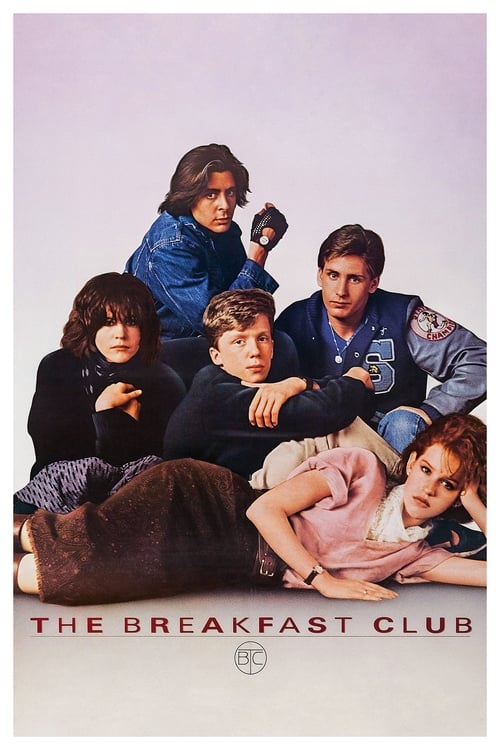
The Breakfast Club
Five high school students from different walks of life endure a Saturday detention under a power-hungry principal. The disparate group includes rebel John, princess Claire, outcast Allison, brainy Brian and Andrew, the jock. Each has a chance to tell his or her story, making the others see them a little differently -- and when the day ends, they question whether school will ever be the same.
Despite its small-scale budget of $1.0M, The Breakfast Club became a massive hit, earning $51.5M worldwide—a remarkable 5053% return. The film's innovative storytelling resonated with audiences, demonstrating that strong storytelling can transcend budget limitations.


Plot Structure
Story beats plotted across runtime


Narrative Arc
Emotional journey through the story's key moments
Story Circle
Blueprint 15-beat structure
Arcplot Score Breakdown
Weighted: Precision (70%) + Arc (15%) + Theme (15%)
The Breakfast Club (1985) demonstrates precise narrative architecture, characteristic of John Hughes's storytelling approach. This structural analysis examines how the film's 15-point plot structure maps to proven narrative frameworks across 1 hour and 38 minutes. With an Arcplot score of 7.1, the film balances conventional beats with creative variation.
Characters
Cast & narrative archetypes

John Bender
Claire Standish
Brian Johnson
Andrew Clark
Allison Reynolds
Main Cast & Characters
John Bender
Played by Judd Nelson
The rebellious criminal from a broken home who uses sarcasm and aggression to mask his pain and vulnerability.
Claire Standish
Played by Molly Ringwald
The popular princess who initially appears shallow but reveals deeper insecurities about her identity and social pressure.
Brian Johnson
Played by Anthony Michael Hall
The brain who faces immense academic pressure and reveals suicidal ideation after failing a shop class assignment.
Andrew Clark
Played by Emilio Estevez
The athlete struggling with his father's expectations and his own identity beyond wrestling and popularity.
Allison Reynolds
Played by Ally Sheedy
The basket case who hides behind compulsive lying and bizarre behavior to cope with being ignored by her parents.
Structural Analysis
The Status Quo at 1 minutes (1% through the runtime) establishes Opening quote from David Bowie: "...these children that you spit on..." followed by five teenagers arriving at Shermer High School for Saturday detention in separate cars, each representing their distinct social cliques and identities.. Of particular interest, this early placement immediately immerses viewers in the story world.
The inciting incident occurs at 11 minutes when Bender removes the screw from the library door, disrupting the passive detention experience. This small act of rebellion catalyzes the group dynamic and signals that the ordinary rules won't apply today. Vernon leaves them alone, creating the space for transformation.. At 11% through the film, this Disruption aligns precisely with traditional story structure. This beat shifts the emotional landscape, launching the protagonist into the central conflict.
The First Threshold at 23 minutes marks the transition into Act II, occurring at 24% of the runtime. This illustrates the protagonist's commitment to The group makes the active choice to leave the library and explore the school together when Bender leads them to his locker to retrieve marijuana. This is the point of no return—they've chosen rebellion and connection over isolation and compliance., moving from reaction to action.
At 48 minutes, the Midpoint arrives at 49% of the runtime—precisely centered, creating perfect narrative symmetry. Significantly, this crucial beat The group has their deepest sharing circle where each person reveals why they're in detention. This false victory moment—they think honesty equals understanding—raises the stakes. They believe they've transcended their differences, but they haven't yet confronted whether this connection can survive outside these walls., fundamentally raising what's at risk. The emotional intensity shifts, dividing the narrative into clear before-and-after phases.
The Collapse moment at 69 minutes (71% through) represents the emotional nadir. Here, Bender's confrontation with Vernon escalates to violence. Vernon threatens him, and Bender is locked in the closet—a metaphorical death of hope. The lowest point: even after their bonding, the adult world reasserts its power to separate and punish them. Will their connection survive reality?., indicates the protagonist at their lowest point. This beat's placement in the final quarter sets up the climactic reversal.
The Second Threshold at 76 minutes initiates the final act resolution at 77% of the runtime. Brian reads his essay aloud: "We accept the fact that we had to sacrifice a whole Saturday in detention for whatever it was we did wrong. But we think you're crazy to make us write an essay telling you who we think we are... We're a brain, an athlete, a basket case, a princess, and a criminal." The realization: they are all of these things. The synthesis of their individual experiences with their shared humanity., demonstrating the transformation achieved throughout the journey.
Emotional Journey
The Breakfast Club's emotional architecture traces a deliberate progression across 15 carefully calibrated beats.
Narrative Framework
This structural analysis employs structural analysis methodology used to understand storytelling architecture. By mapping The Breakfast Club against these established plot points, we can identify how John Hughes utilizes or subverts traditional narrative conventions. The plot point approach reveals not only adherence to structural principles but also creative choices that distinguish The Breakfast Club within the comedy genre.
John Hughes's Structural Approach
Among the 8 John Hughes films analyzed on Arcplot, the average structural score is 7.0, reflecting strong command of classical structure. The Breakfast Club represents one of the director's most structurally precise works. For comparative analysis, explore the complete John Hughes filmography.
Comparative Analysis
Additional comedy films include The Bad Guys, Ella Enchanted and The Evening Star. For more John Hughes analyses, see She's Having a Baby, Curly Sue and Weird Science.
Plot Points by Act
Act I
SetupStatus Quo
Opening quote from David Bowie: "...these children that you spit on..." followed by five teenagers arriving at Shermer High School for Saturday detention in separate cars, each representing their distinct social cliques and identities.
Theme
Brian's mom tells him "Find out who your friends are" as she drops him off. This casual statement captures the film's central question: Can people transcend their social labels to discover authentic human connection?
Worldbuilding
The five students arrive and gather in the library. Vernon establishes the rules: they're here from 7am to 4pm, can't talk, can't move, must write an essay on "who you think you are." We see their tribal identities: Bender (criminal), Andrew (athlete), Claire (princess), Brian (brain), Allison (basket case). Initial hostility and stereotyping emerge.
Disruption
Bender removes the screw from the library door, disrupting the passive detention experience. This small act of rebellion catalyzes the group dynamic and signals that the ordinary rules won't apply today. Vernon leaves them alone, creating the space for transformation.
Resistance
Initial resistance and tribal warfare. Bender antagonizes everyone, especially Claire and Andrew. The students debate whether to follow Vernon's rules or Bender's chaos. They resist connecting across social boundaries. Bender's taunting exposes everyone's insecurities. Vernon returns periodically to reinforce authority, intensifying the pressure-cooker environment.
Act II
ConfrontationFirst Threshold
The group makes the active choice to leave the library and explore the school together when Bender leads them to his locker to retrieve marijuana. This is the point of no return—they've chosen rebellion and connection over isolation and compliance.
Mirror World
The group smokes marijuana together in a circle, creating their first moment of genuine equality and shared vulnerability. This ritualistic bonding introduces the "B Story"—their emerging authentic relationships that will teach them they're more than their labels.
Premise
The "fun and games" of breaking down barriers. The group gets high together, plays music, dances, shares jokes, and begins opening up. They explore their commonalities through games and conversation. Allison's weirdness becomes endearing. Claire's popularity becomes less intimidating. Andrew shows vulnerability. Brian reveals intelligence beyond nerdiness. Bender's anger starts to make sense.
Midpoint
The group has their deepest sharing circle where each person reveals why they're in detention. This false victory moment—they think honesty equals understanding—raises the stakes. They believe they've transcended their differences, but they haven't yet confronted whether this connection can survive outside these walls.
Opposition
The pressure intensifies. Bender reveals his abusive home life through a devastating cigarette-burn demonstration. Andrew breaks down about his father's pressure and his own cruelty. Brian confesses his suicide attempt over a failing grade. Claire admits she's a virgin and her parents use her as a pawn. The intimacy becomes painful. Their social masks crack completely, exposing raw wounds.
Collapse
Bender's confrontation with Vernon escalates to violence. Vernon threatens him, and Bender is locked in the closet—a metaphorical death of hope. The lowest point: even after their bonding, the adult world reasserts its power to separate and punish them. Will their connection survive reality?
Crisis
Dark night of the soul. Andrew rescues Bender from the closet, showing loyalty across tribal lines. The group confronts their central fear: "When we walk out of here Monday morning, will we still be friends?" Claire articulates what they all fear—that social pressure will erase what they've discovered today.
Act III
ResolutionSecond Threshold
Brian reads his essay aloud: "We accept the fact that we had to sacrifice a whole Saturday in detention for whatever it was we did wrong. But we think you're crazy to make us write an essay telling you who we think we are... We're a brain, an athlete, a basket case, a princess, and a criminal." The realization: they are all of these things. The synthesis of their individual experiences with their shared humanity.
Synthesis
The finale executes their transformation. Allison gets a makeover from Claire, and Andrew kisses her—beauty was always there. Claire gives Bender her earring and kisses him—crossing the social divide. Brian signs the essay for all of them: "Sincerely yours, The Breakfast Club"—they claim a new collective identity. They leave the library transformed.
Transformation
Bender walks across the football field alone, raises his fist in triumph as "Don't You (Forget About Me)" plays. The closing image mirrors the opening but transformed—where they arrived in isolation, defined by labels, Bender now walks as someone seen, known, and connected. The freeze-frame fist pump captures victory over invisibility.