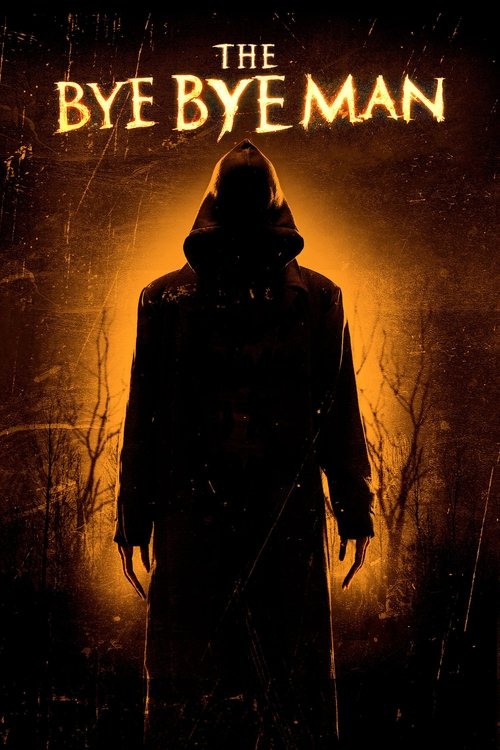
The Bye Bye Man
When three college students move into an old house off campus, they unwittingly unleash a supernatural entity known as The Bye Bye Man, who comes to prey upon them once they discover his name. The friends must try to save each other, all the while keeping The Bye Bye Man's existence a secret to save others from the same deadly fate.
Despite its limited budget of $7.4M, The Bye Bye Man became a solid performer, earning $26.7M worldwide—a 261% return. The film's compelling narrative attracted moviegoers, illustrating how strong storytelling can transcend budget limitations.


Plot Structure
Story beats plotted across runtime


Narrative Arc
Emotional journey through the story's key moments
Story Circle
Blueprint 15-beat structure
Arcplot Score Breakdown
Weighted: Precision (70%) + Arc (15%) + Theme (15%)
The Bye Bye Man (2017) demonstrates meticulously timed story structure, characteristic of Stacy Title's storytelling approach. This structural analysis examines how the film's 15-point plot structure maps to proven narrative frameworks across 1 hour and 36 minutes. With an Arcplot score of 7.1, the film balances conventional beats with creative variation.
Characters
Cast & narrative archetypes

Elliot
Sasha
John
Alice
Detective Shaw
Mrs. Watkins
Main Cast & Characters
Elliot
Played by Douglas Smith
A college student who moves into a haunted house and becomes plagued by the Bye Bye Man entity after discovering its name.
Sasha
Played by Cressida Bonas
Elliot's girlfriend who becomes affected by the supernatural curse and experiences hallucinations.
John
Played by Lucien Laviscount
Elliot's best friend and roommate who tries to help him fight the entity but also falls victim to its influence.
Alice
Played by Jenna Kanell
Elliot's estranged brother's widow and psychic who helps investigate the supernatural phenomenon.
Detective Shaw
Played by Carrié-Anne Moss
A skeptical police detective investigating the strange deaths and violence connected to the house.
Mrs. Watkins
Played by Faye Dunaway
The elderly widow living in the house before the students who killed her family under the entity's influence.
Structural Analysis
The Status Quo at 1 minutes (1% through the runtime) establishes 1969 prologue: Reporter Larry Heller violently murders his family and neighbors in a paranoid frenzy, establishing the Bye Bye Man's deadly legacy before the main story begins.. The analysis reveals that this early placement immediately immerses viewers in the story world.
The inciting incident occurs at 12 minutes when Elliot discovers "DON'T THINK IT DON'T SAY IT" and "THE BYE BYE MAN" scratched inside a nightstand drawer, along with coins and other disturbing items, unleashing the curse.. At 12% through the film, this Disruption aligns precisely with traditional story structure. This beat shifts the emotional landscape, launching the protagonist into the central conflict.
The First Threshold at 24 minutes marks the transition into Act II, occurring at 25% of the runtime. This demonstrates the protagonist's commitment to Elliot actively chooses to investigate further by speaking the name "The Bye Bye Man" aloud to understand the threat, fully committing himself to confronting the supernatural force., moving from reaction to action.
At 49 minutes, the Midpoint arrives at 51% of the runtime—precisely centered, creating perfect narrative symmetry. The analysis reveals that this crucial beat Elliot discovers the truth about Larry Heller's 1969 massacre: he was trying to stop the spread by killing everyone who knew the name. The stakes become clear—they must die or kill to contain it., fundamentally raising what's at risk. The emotional intensity shifts, dividing the narrative into clear before-and-after phases.
The Collapse moment at 72 minutes (75% through) represents the emotional nadir. Here, Elliot, completely consumed by hallucinations, believes he must kill Sasha and John to stop the spread. In his darkest moment, he nearly murders his best friends, losing his grip on reality and morality., shows the protagonist at their lowest point. This beat's placement in the final quarter sets up the climactic reversal.
The Second Threshold at 76 minutes initiates the final act resolution at 79% of the runtime. Elliot understands the only way to truly stop the Bye Bye Man is to kill himself before speaking the name to anyone else, accepting self-sacrifice as the final solution., demonstrating the transformation achieved throughout the journey.
Emotional Journey
The Bye Bye Man's emotional architecture traces a deliberate progression across 15 carefully calibrated beats.
Narrative Framework
This structural analysis employs a 15-point narrative structure framework that maps key story moments. By mapping The Bye Bye Man against these established plot points, we can identify how Stacy Title utilizes or subverts traditional narrative conventions. The plot point approach reveals not only adherence to structural principles but also creative choices that distinguish The Bye Bye Man within the horror genre.
Comparative Analysis
Additional horror films include Thinner, A Nightmare on Elm Street and Mary Reilly.
Plot Points by Act
Act I
SetupStatus Quo
1969 prologue: Reporter Larry Heller violently murders his family and neighbors in a paranoid frenzy, establishing the Bye Bye Man's deadly legacy before the main story begins.
Theme
Elliot's girlfriend Sasha warns him "Don't think it, don't say it" about campus gossip, unknowingly foreshadowing the core survival rule against the entity.
Worldbuilding
College students Elliot, John, and Sasha move into an old off-campus house to start their new life together. They explore the creaky Victorian home, unpack belongings, and establish their close friendship dynamic and romantic relationships.
Disruption
Elliot discovers "DON'T THINK IT DON'T SAY IT" and "THE BYE BYE MAN" scratched inside a nightstand drawer, along with coins and other disturbing items, unleashing the curse.
Resistance
Strange occurrences begin: unexplained noises, cold spots, objects moving. The group debates rational explanations. Sasha becomes ill. Elliot researches the house's history and consults librarians about the inscriptions.
Act II
ConfrontationFirst Threshold
Elliot actively chooses to investigate further by speaking the name "The Bye Bye Man" aloud to understand the threat, fully committing himself to confronting the supernatural force.
Mirror World
Psychic Kim is introduced during a séance scene, representing the thematic mirror of belief versus skepticism, and offering insight into the unseen world Elliot must navigate.
Premise
The horror escalates as the Bye Bye Man infiltrates their minds with hallucinations and paranoia. Each character experiences personal nightmares: Elliot sees Sasha cheating with John, John hallucinates violence, Sasha's illness worsens. The entity's hound stalks them.
Midpoint
Elliot discovers the truth about Larry Heller's 1969 massacre: he was trying to stop the spread by killing everyone who knew the name. The stakes become clear—they must die or kill to contain it.
Opposition
The Bye Bye Man's psychological assault intensifies. Elliot's jealous hallucinations about Sasha and John worsen. John accidentally spreads the name to his brother Virgil. Trust deteriorates. Elliot becomes increasingly isolated and desperate.
Collapse
Elliot, completely consumed by hallucinations, believes he must kill Sasha and John to stop the spread. In his darkest moment, he nearly murders his best friends, losing his grip on reality and morality.
Crisis
Elliot realizes what he's done in his madness. Sasha dies from her wounds. John lies injured. Police arrive. Elliot faces the complete destruction of his life and relationships, consumed by guilt and horror.
Act III
ResolutionSecond Threshold
Elliot understands the only way to truly stop the Bye Bye Man is to kill himself before speaking the name to anyone else, accepting self-sacrifice as the final solution.
Synthesis
Elliot sets the house on fire to destroy all evidence and attempts suicide. He confronts the Bye Bye Man directly. Police and paramedics arrive. The entity attempts to spread through Detective Shaw and the hospital staff.
Transformation
In the hospital, Elliot lies catatonic having failed to stop the spread. Detective Shaw has now spoken the name, ensuring the curse continues. The cycle of death and madness will repeat, showing Elliot's complete failure and corruption.