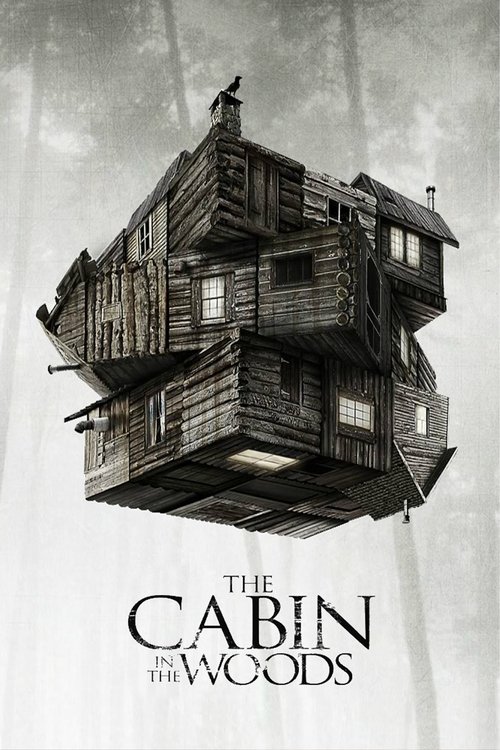
The Cabin in the Woods
Five friends set out for a weekend at a remote cabin in the woods, expecting nothing more than fun and relaxation. As night falls, they discover that something far more unsettling is at work and that nothing about their getaway is what it seems.
Despite a mid-range budget of $30.0M, The Cabin in the Woods became a commercial success, earning $71.0M worldwide—a 137% return.
20 wins & 34 nominations


Plot Structure
Story beats plotted across runtime


Narrative Arc
Emotional journey through the story's key moments
Story Circle
Blueprint 15-beat structure
Arcplot Score Breakdown
Weighted: Precision (70%) + Arc (15%) + Theme (15%)
The Cabin in the Woods (2012) exemplifies precise dramatic framework, characteristic of Drew Goddard's storytelling approach. This structural analysis examines how the film's 15-point plot structure maps to proven narrative frameworks across 1 hour and 35 minutes. With an Arcplot score of 6.4, the film takes an unconventional approach to traditional narrative frameworks.
Characters
Cast & narrative archetypes

Dana Polk
Marty Mikalski
Curt Vaughan
Jules Louden
Holden McCrea
Gary Sitterson
Steve Hadley
The Director
Main Cast & Characters
Dana Polk
Played by Kristen Connolly
A college student and the group's 'virgin' who becomes the final survivor and challenges the ritual.
Marty Mikalski
Played by Fran Kranz
The stoner friend who sees through the manipulation and becomes Dana's ally in survival.
Curt Vaughan
Played by Chris Hemsworth
The athletic 'jock' whose personality is chemically altered to fit the ritual sacrifice archetype.
Jules Louden
Played by Anna Hutchison
Curt's girlfriend, the 'whore' archetype whose behavior is manipulated for the ritual.
Holden McCrea
Played by Jesse Williams
The scholarly 'scholar' who befriends Dana and becomes an early victim of the ritual.
Gary Sitterson
Played by Richard Jenkins
A technician in the control room orchestrating the ritual sacrifice with dark humor.
Steve Hadley
Played by Bradley Whitford
Sitterson's partner in the control room, showing occasional moral conflict about their work.
The Director
Played by Sigourney Weaver
The mysterious leader of the facility who explains the true purpose of the ancient ritual.
Structural Analysis
The Status Quo at 1 minutes (1% through the runtime) establishes Sitterson and Hadley walk through the sterile underground facility discussing mundane work matters and an upcoming operation, establishing the hidden bureaucratic machinery behind horror while the title card shocks with its juxtaposition.. Significantly, this early placement immediately immerses viewers in the story world.
The inciting incident occurs at 11 minutes when The group encounters the creepy gas station attendant Mordecai who calls them "lambs to the slaughter" and warns them not to go to the cabin, establishing the first overt sign that dark forces are manipulating their journey.. At 12% through the film, this Disruption aligns precisely with traditional story structure. This beat shifts the emotional landscape, launching the protagonist into the central conflict.
The First Threshold at 24 minutes marks the transition into Act II, occurring at 25% of the runtime. This indicates the protagonist's commitment to In the cabin's cellar, the friends discover a collection of disturbing artifacts. Dana reads aloud from Patience Buckner's diary, unwittingly choosing the Zombie Redneck Torture Family as their monster and sealing their fate as sacrificial victims., moving from reaction to action.
At 48 minutes, the Midpoint arrives at 50% of the runtime—precisely centered, creating perfect narrative symmetry. The analysis reveals that this crucial beat Marty discovers the hidden camera and realizes they're being watched and controlled. Before he can warn the others, a Buckner attacks him and he's presumed dead. The facility declares the Fool eliminated, believing the ritual is proceeding perfectly., fundamentally raising what's at risk. The emotional intensity shifts, dividing the narrative into clear before-and-after phases.
The Collapse moment at 71 minutes (75% through) represents the emotional nadir. Here, Dana is dragged toward death by a Buckner while the facility celebrates their apparent success. All her friends are dead, she's completely alone, and the ritual seems complete. The Director announces the Virgin's optional death will conclude the ceremony., reveals the protagonist at their lowest point. This beat's placement in the final quarter sets up the climactic reversal.
The Second Threshold at 76 minutes initiates the final act resolution at 80% of the runtime. Dana and Marty descend into the facility via the elevator, discovering the vast underground complex filled with every nightmare creature imaginable. They realize the full scope of the conspiracy and choose to fight back against their manipulators., demonstrating the transformation achieved throughout the journey.
Emotional Journey
The Cabin in the Woods's emotional architecture traces a deliberate progression across 15 carefully calibrated beats.
Narrative Framework
This structural analysis employs a 15-point narrative structure framework that maps key story moments. By mapping The Cabin in the Woods against these established plot points, we can identify how Drew Goddard utilizes or subverts traditional narrative conventions. The plot point approach reveals not only adherence to structural principles but also creative choices that distinguish The Cabin in the Woods within the horror genre.
Drew Goddard's Structural Approach
Among the 2 Drew Goddard films analyzed on Arcplot, the average structural score is 6.7, demonstrating varied approaches to story architecture. The Cabin in the Woods takes a more unconventional approach compared to the director's typical style. For comparative analysis, explore the complete Drew Goddard filmography.
Comparative Analysis
Additional horror films include Thinner, A Nightmare on Elm Street and Mary Reilly. For more Drew Goddard analyses, see Bad Times at the El Royale.
Plot Points by Act
Act I
SetupStatus Quo
Sitterson and Hadley walk through the sterile underground facility discussing mundane work matters and an upcoming operation, establishing the hidden bureaucratic machinery behind horror while the title card shocks with its juxtaposition.
Theme
Marty questions whether they should trust Curt's cousin who owns the cabin, stating "Society needs to crumble. We're all just too chickenshit to let it." This foreshadows the film's central question about sacrificing individuals to preserve a corrupt system.
Worldbuilding
We meet the five friends preparing for their weekend getaway: Dana the virgin scholar, Curt the athlete, Jules the whore, Holden the scholar, and Marty the fool. Parallel scenes show the facility technicians preparing their operation and taking bets on which monsters will be chosen.
Disruption
The group encounters the creepy gas station attendant Mordecai who calls them "lambs to the slaughter" and warns them not to go to the cabin, establishing the first overt sign that dark forces are manipulating their journey.
Resistance
The friends drive through a tunnel that cuts off their GPS and cell signals as they enter the facility's controlled zone. They arrive at the remote cabin and explore its unsettling features while technicians monitor their every move and begin releasing pheromones to alter their behavior.
Act II
ConfrontationFirst Threshold
In the cabin's cellar, the friends discover a collection of disturbing artifacts. Dana reads aloud from Patience Buckner's diary, unwittingly choosing the Zombie Redneck Torture Family as their monster and sealing their fate as sacrificial victims.
Mirror World
The control room celebrates as Dana triggers the Buckners, revealing the global betting pool and the ritualistic nature of the operation. This parallel storyline embodies the theme by showing the dehumanizing bureaucracy that treats death as entertainment and necessity.
Premise
The horror movie within a horror movie plays out as the Buckner zombies attack. Jules is killed first after being manipulated into sexual behavior. The group's attempts to escape are thwarted by the facility's invisible barriers and manipulations while technicians celebrate each death.
Midpoint
Marty discovers the hidden camera and realizes they're being watched and controlled. Before he can warn the others, a Buckner attacks him and he's presumed dead. The facility declares the Fool eliminated, believing the ritual is proceeding perfectly.
Opposition
Dana, Holden, and Curt fight for survival as the facility manipulates every escape attempt. Curt dies attempting to jump the ravine on his motorcycle. Holden is killed while driving. Dana is left alone, beaten and terrorized, as the technicians prepare to complete the ritual.
Collapse
Dana is dragged toward death by a Buckner while the facility celebrates their apparent success. All her friends are dead, she's completely alone, and the ritual seems complete. The Director announces the Virgin's optional death will conclude the ceremony.
Crisis
As Dana faces certain death, Marty suddenly appears alive, having survived and discovered the facility's elevator system. The technicians realize in horror that the Fool still lives—the ritual has failed. Panic spreads through the control room.
Act III
ResolutionSecond Threshold
Dana and Marty descend into the facility via the elevator, discovering the vast underground complex filled with every nightmare creature imaginable. They realize the full scope of the conspiracy and choose to fight back against their manipulators.
Synthesis
Dana and Marty unleash every monster in the facility, causing apocalyptic chaos. They confront the Director who explains the Ancient Ones require their sacrifice to stay dormant. Given the choice to kill Marty and save humanity, Dana hesitates as a werewolf attacks.
Transformation
Dana and Marty sit together as dawn breaks, sharing a joint while a giant Ancient One's hand bursts through the earth. They choose to let humanity end rather than perpetuate a system built on ritual murder, accepting oblivion with quiet defiance.