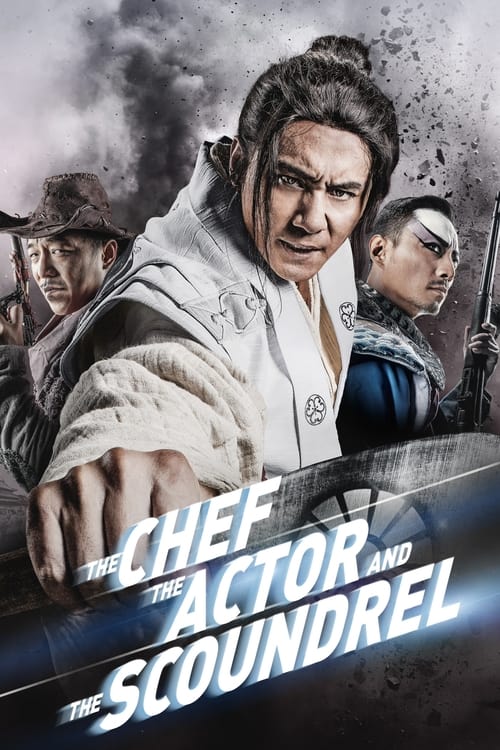
The Chef, The Actor, The Scoundrel
World War II: a cholera epidemic ravages the streets of Beijing. A crack team of Chinese intelligence agents kidnap a Japanese general and biochemist who may hold the antidote.
The film earned $44.4M at the global box office.


Plot Structure
Story beats plotted across runtime


Narrative Arc
Emotional journey through the story's key moments
Story Circle
Blueprint 15-beat structure
Arcplot Score Breakdown
Weighted: Precision (70%) + Arc (15%) + Theme (15%)
The Chef, The Actor, The Scoundrel (2013) showcases precise narrative architecture, characteristic of Guan Hu's storytelling approach. This structural analysis examines how the film's 15-point plot structure maps to proven narrative frameworks across 1 hour and 48 minutes. With an Arcplot score of 7.6, the film showcases strong structural fundamentals.
Structural Analysis
The Status Quo at 1 minutes (1% through the runtime) establishes Japanese-occupied Beijing, 1942. Three strangers arrive at a hotel: a chef seeking work, an actor performing propaganda, and a scoundrel running cons. Each operates independently in their survival routines.. Notably, this early placement immediately immerses viewers in the story world.
The inciting incident occurs at 13 minutes when Japanese forces seal off the hotel unexpectedly, trapping everyone inside. A biological weapon has been hidden somewhere in the building, and no one can leave until it's found.. At 12% through the film, this Disruption aligns precisely with traditional story structure. This beat shifts the emotional landscape, launching the protagonist into the central conflict.
The First Threshold at 26 minutes marks the transition into Act II, occurring at 25% of the runtime. This reveals the protagonist's commitment to The chef, actor, and scoundrel realize they must work together to survive. They make the active choice to collaborate, forming an unlikely alliance to find the weapon before the Japanese do., moving from reaction to action.
At 53 minutes, the Midpoint arrives at 50% of the runtime—precisely centered, creating perfect narrative symmetry. Notably, this crucial beat False victory: The trio believes they've located the biological weapon and have a plan to secure it. They feel in control, but the stakes are raised when they discover the Japanese commander suspects their alliance., fundamentally raising what's at risk. The emotional intensity shifts, dividing the narrative into clear before-and-after phases.
The Collapse moment at 80 minutes (74% through) represents the emotional nadir. Here, One of the trio is captured and tortured. Their plan falls apart, the weapon's location remains unknown, and innocent people are executed. The "whiff of death" is literal as hope seems lost., demonstrates the protagonist at their lowest point. This beat's placement in the final quarter sets up the climactic reversal.
The Second Threshold at 86 minutes initiates the final act resolution at 79% of the runtime. New information reveals the true location of the weapon. The trio synthesizes their skills one final time, combining the chef's precision, the actor's performance, and the scoundrel's cunning into a unified plan., demonstrating the transformation achieved throughout the journey.
Emotional Journey
The Chef, The Actor, The Scoundrel's emotional architecture traces a deliberate progression across 15 carefully calibrated beats.
Narrative Framework
This structural analysis employs proven narrative structure principles that track dramatic progression. By mapping The Chef, The Actor, The Scoundrel against these established plot points, we can identify how Guan Hu utilizes or subverts traditional narrative conventions. The plot point approach reveals not only adherence to structural principles but also creative choices that distinguish The Chef, The Actor, The Scoundrel within the comedy genre.
Guan Hu's Structural Approach
Among the 3 Guan Hu films analyzed on Arcplot, the average structural score is 7.5, reflecting strong command of classical structure. The Chef, The Actor, The Scoundrel represents one of the director's most structurally precise works. For comparative analysis, explore the complete Guan Hu filmography.
Comparative Analysis
Additional comedy films include The Bad Guys, Ella Enchanted and The Evening Star. For more Guan Hu analyses, see The Eight Hundred, Black Dog.
Plot Points by Act
Act I
SetupStatus Quo
Japanese-occupied Beijing, 1942. Three strangers arrive at a hotel: a chef seeking work, an actor performing propaganda, and a scoundrel running cons. Each operates independently in their survival routines.
Theme
A character remarks that "in times like these, everyone wears a mask" - establishing the theme of hidden identities and the performance required for survival under occupation.
Worldbuilding
Introduction to Japanese-occupied Beijing and the hotel setting. We meet the three protagonists and understand their individual schemes, the power dynamics of the occupation, and the danger everyone lives under.
Disruption
Japanese forces seal off the hotel unexpectedly, trapping everyone inside. A biological weapon has been hidden somewhere in the building, and no one can leave until it's found.
Resistance
The three protagonists separately assess the crisis. Initial attempts to maintain their covers and avoid suspicion. Tension builds as Japanese officers interrogate guests and the threat of discovery looms.
Act II
ConfrontationFirst Threshold
The chef, actor, and scoundrel realize they must work together to survive. They make the active choice to collaborate, forming an unlikely alliance to find the weapon before the Japanese do.
Mirror World
The trio discovers they share a common enemy and hidden patriotic purpose. Their relationship transforms from competition to cooperation, mirroring the theme of unity against oppression.
Premise
The "fun and games" of the unlikely trio using their unique skills - cooking, acting, and conning - to outwit the Japanese forces. Creative schemes, narrow escapes, and the chemistry between the three protagonists takes center stage.
Midpoint
False victory: The trio believes they've located the biological weapon and have a plan to secure it. They feel in control, but the stakes are raised when they discover the Japanese commander suspects their alliance.
Opposition
The Japanese tighten their grip. Interrogations intensify, allies are exposed, and the trio's schemes begin to unravel. Their individual weaknesses emerge under pressure, and betrayal becomes a constant threat.
Collapse
One of the trio is captured and tortured. Their plan falls apart, the weapon's location remains unknown, and innocent people are executed. The "whiff of death" is literal as hope seems lost.
Crisis
The surviving members face despair and doubt. They must decide whether to abandon their mission and save themselves or risk everything for a greater cause. Dark night of questioning their purpose.
Act III
ResolutionSecond Threshold
New information reveals the true location of the weapon. The trio synthesizes their skills one final time, combining the chef's precision, the actor's performance, and the scoundrel's cunning into a unified plan.
Synthesis
The finale unfolds as the trio executes their final gambit. Confrontation with the Japanese forces, the weapon is secured or destroyed, and each character faces their moment of truth, sacrificing personal safety for the greater good.
Transformation
Closing image mirrors the opening but transformed: the three men who arrived as isolated survivors have become united patriots. Their masks have fallen away, revealing their true heroic nature forged through sacrifice.