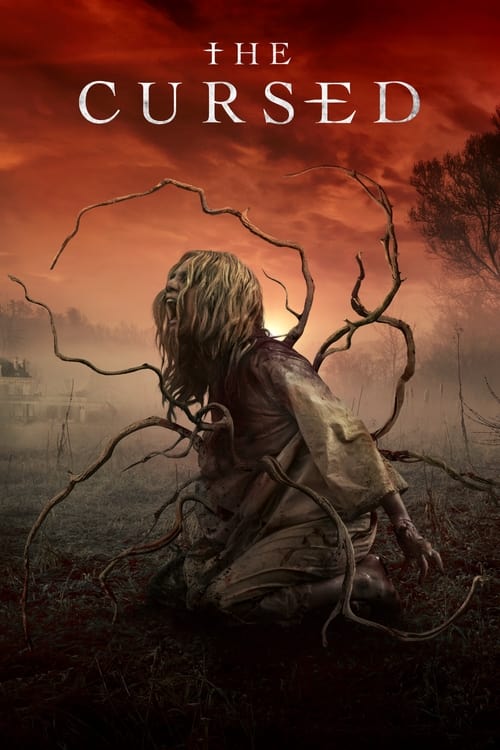
The Cursed
In the late 19th century, a brutal land baron slaughters a Roma clan, unleashing a curse on his family and village. In the days that follow, the townspeople are plagued by nightmares, the baron's son goes missing, and a boy is found murdered. The locals suspect a wild animal, but a visiting pathologist warns of a more sinister presence lurking in the woods.
The film earned $4.6M at the global box office.


Plot Structure
Story beats plotted across runtime


Narrative Arc
Emotional journey through the story's key moments
Story Circle
Blueprint 15-beat structure
Arcplot Score Breakdown
Weighted: Precision (70%) + Arc (15%) + Theme (15%)
The Cursed (2021) reveals deliberately positioned narrative architecture, characteristic of Sean Ellis's storytelling approach. This structural analysis examines how the film's 15-point plot structure maps to proven narrative frameworks across 1 hour and 51 minutes. With an Arcplot score of 7.1, the film balances conventional beats with creative variation.
Characters
Cast & narrative archetypes

John McBride
Seamus Laurent
Isabelle Laurent
Charlotte Laurent
Edward Laurent
Anais
Main Cast & Characters
John McBride
Played by Boyd Holbrook
A pathologist investigating mysterious deaths in a rural French community, haunted by his own traumatic past with the supernatural.
Seamus Laurent
Played by Alistair Petrie
The patriarch of the Laurent family and landowner whose actions set the curse in motion.
Isabelle Laurent
Played by Kelly Reilly
Seamus's wife and mother to Charlotte and Edward, trying to hold her family together amid the horror.
Charlotte Laurent
Played by Amelia Crouch
The young daughter of the Laurent family who becomes afflicted by the curse.
Edward Laurent
Played by Max Mackintosh
The son of the Laurent family who goes missing after a traumatic encounter.
Anais
Played by Roxane Duran
A member of the Roma community whose people were murdered, triggering the supernatural curse.
Structural Analysis
The Status Quo at 1 minutes (1% through the runtime) establishes WWI trenches: a soldier is brought in with a silver bullet lodged near his heart. The surgeon extracts it, and we flashback to 1880s France - establishing a world where violence and its consequences span generations.. The analysis reveals that this early placement immediately immerses viewers in the story world.
The inciting incident occurs at 13 minutes when The Laurent children discover the buried scarecrow with silver teeth in the woods. That night, young Edward Laurent is drawn to dig it up, becoming infected by the curse through a nightmare. The sin of the father begins claiming the children.. At 12% through the film, this Disruption aligns precisely with traditional story structure. This beat shifts the emotional landscape, launching the protagonist into the central conflict.
The First Threshold at 28 minutes marks the transition into Act II, occurring at 25% of the runtime. This demonstrates the protagonist's commitment to John McBride, a pathologist haunted by his own family's death, arrives at the Laurent estate. He chooses to investigate despite warnings, performing an autopsy on a victim and discovering evidence of something beyond natural explanation - committing himself to uncovering the truth., moving from reaction to action.
At 56 minutes, the Midpoint arrives at 50% of the runtime—precisely centered, creating perfect narrative symmetry. The analysis reveals that this crucial beat The creature is revealed to be the transformed Edward Laurent - the landowner's own son has become the monster. The false hope that this was an external threat is shattered; the curse comes from within the family. The stakes shift from hunting a monster to confronting inherited sin., fundamentally raising what's at risk. The emotional intensity shifts, dividing the narrative into clear before-and-after phases.
The Collapse moment at 83 minutes (75% through) represents the emotional nadir. Here, Seamus Laurent is killed by his own cursed children. The patriarch who ordered the massacre dies at the hands of his offspring - poetic justice, but also the complete collapse of the family. McBride realizes simply killing the creatures won't end the curse; the silver teeth must be destroyed., demonstrates the protagonist at their lowest point. This beat's placement in the final quarter sets up the climactic reversal.
The Second Threshold at 89 minutes initiates the final act resolution at 80% of the runtime. McBride realizes the curse can only end by destroying the silver teeth at the source and confronting the creatures directly. He synthesizes his pathologist's knowledge with supernatural understanding. He chooses to face the monsters not for revenge but to break the cycle of violence., demonstrating the transformation achieved throughout the journey.
Emotional Journey
The Cursed's emotional architecture traces a deliberate progression across 15 carefully calibrated beats.
Narrative Framework
This structural analysis employs proven narrative structure principles that track dramatic progression. By mapping The Cursed against these established plot points, we can identify how Sean Ellis utilizes or subverts traditional narrative conventions. The plot point approach reveals not only adherence to structural principles but also creative choices that distinguish The Cursed within the horror genre.
Sean Ellis's Structural Approach
Among the 2 Sean Ellis films analyzed on Arcplot, the average structural score is 6.9, demonstrating varied approaches to story architecture. The Cursed represents one of the director's most structurally precise works. For comparative analysis, explore the complete Sean Ellis filmography.
Comparative Analysis
Additional horror films include Thinner, A Nightmare on Elm Street and Mary Reilly. For more Sean Ellis analyses, see Anthropoid.
Plot Points by Act
Act I
SetupStatus Quo
WWI trenches: a soldier is brought in with a silver bullet lodged near his heart. The surgeon extracts it, and we flashback to 1880s France - establishing a world where violence and its consequences span generations.
Theme
The Roma elder warns Seamus Laurent and his men: "What you take from us will be taken from you. Your children will pay for your sins." The theme of inherited guilt and cyclical violence is stated directly by the victim.
Worldbuilding
The Laurent family's privileged estate life is established alongside the brutal massacre of the Roma camp. We meet the Laurent children, the servants, and witness the Roma woman's dying curse as silver teeth are sewn into a scarecrow buried in unholy ground.
Disruption
The Laurent children discover the buried scarecrow with silver teeth in the woods. That night, young Edward Laurent is drawn to dig it up, becoming infected by the curse through a nightmare. The sin of the father begins claiming the children.
Resistance
Children across the village share nightmares and fall ill. Edward disappears into the woods. Search parties find mutilated animals. The villagers debate causes - disease, wolves, madness - refusing to acknowledge the supernatural. The community is paralyzed by denial of their collective guilt.
Act II
ConfrontationFirst Threshold
John McBride, a pathologist haunted by his own family's death, arrives at the Laurent estate. He chooses to investigate despite warnings, performing an autopsy on a victim and discovering evidence of something beyond natural explanation - committing himself to uncovering the truth.
Mirror World
McBride confides in Isabelle Laurent about his past - his wife and son were killed by a similar creature, which is why he hunts these monsters. This reveals his deeper wound and establishes their bond as two people who have lost children to this curse.
Premise
McBride investigates the curse's origin, examining victims, tracking the creature, and piecing together what happened to the Roma. We see the horror unfold as more villagers are attacked. The Laurent daughter Charlotte becomes infected. The period horror atmosphere delivers on its premise of gothic werewolf terror.
Midpoint
The creature is revealed to be the transformed Edward Laurent - the landowner's own son has become the monster. The false hope that this was an external threat is shattered; the curse comes from within the family. The stakes shift from hunting a monster to confronting inherited sin.
Opposition
The infected spread. Charlotte fully transforms. Seamus Laurent desperately tries to cover up his crime while the creature claims more victims. McBride races to find a way to break the curse while the villagers turn on each other in paranoia. The sins compound as the father refuses accountability.
Collapse
Seamus Laurent is killed by his own cursed children. The patriarch who ordered the massacre dies at the hands of his offspring - poetic justice, but also the complete collapse of the family. McBride realizes simply killing the creatures won't end the curse; the silver teeth must be destroyed.
Crisis
With the Laurent patriarch dead and children transformed into monsters, all seems lost. McBride and Isabelle face the horror of what must be done. The weight of generational trauma seems insurmountable. McBride confronts his own survivor's guilt and failure to save his family.
Act III
ResolutionSecond Threshold
McBride realizes the curse can only end by destroying the silver teeth at the source and confronting the creatures directly. He synthesizes his pathologist's knowledge with supernatural understanding. He chooses to face the monsters not for revenge but to break the cycle of violence.
Synthesis
McBride tracks the creatures to their lair, confronts the transformed children, and destroys the cursed silver. The final battle is violent and costly. The curse is broken, but not without sacrifice. The cycle of violence that began with colonial murder finally ends.
Transformation
Return to WWI: the soldier with the silver bullet survives - it's the same silver, the same curse echoing through time. McBride's sacrifice broke one cycle, but violence continues to beget violence. The closing image mirrors the opening, suggesting trauma reverberates across generations.