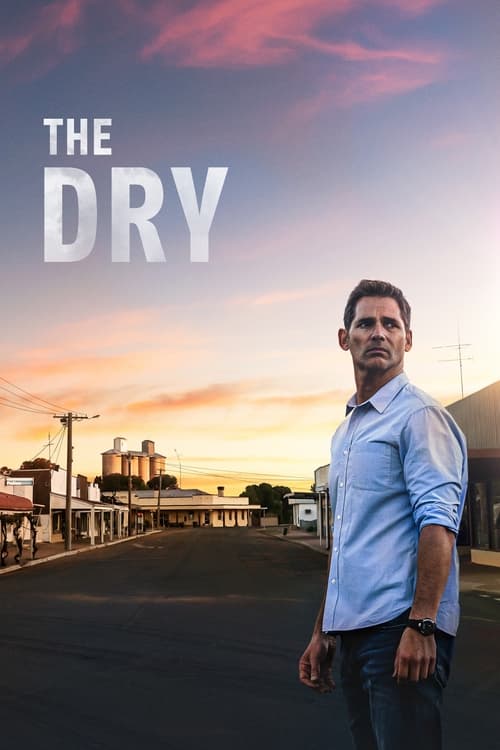
The Dry
N/A
The film earned $15.6M at the global box office.
Plot Structure
Story beats plotted across runtime


Narrative Arc
Emotional journey through the story's key moments
Story Circle
Blueprint 15-beat structure
Arcplot Score Breakdown
Weighted: Precision (70%) + Arc (15%) + Theme (15%)
The Dry (2021) demonstrates strategically placed dramatic framework, characteristic of Robert Connolly's storytelling approach. This structural analysis examines how the film's 11-point plot structure maps to proven narrative frameworks across 1 hour and 57 minutes. With an Arcplot score of 6.6, the film balances conventional beats with creative variation.
Structural Analysis
The Status Quo at 1 minutes (1% through the runtime) establishes Aaron Falk drives through drought-stricken countryside toward Kiewarra, his face heavy with dread. He's a federal agent who has avoided this town for twenty years, and the parched land reflects his internal desolation.. Significantly, this early placement immediately immerses viewers in the story world.
The inciting incident occurs at 14 minutes when Gerry Hadler privately asks Aaron to stay and investigate, convinced his son Luke didn't kill his family. The note Luke sent Aaron—"Luke Hadler needs your help"—suddenly takes on new meaning. Aaron realizes he must confront both mysteries: the Hadler murders and Ellie's death.. At 12% through the film, this Disruption aligns precisely with traditional story structure. This beat shifts the emotional landscape, launching the protagonist into the central conflict.
At 59 minutes, the Midpoint arrives at 50% of the runtime—precisely centered, creating perfect narrative symmetry. Of particular interest, this crucial beat Aaron discovers that Luke couldn't have killed his family—the ballistics and evidence don't match. This "false defeat" raises the stakes: there's a murderer still in town, and Aaron's investigation has made him a target. The comfortable theory collapses., fundamentally raising what's at risk. The emotional intensity shifts, dividing the narrative into clear before-and-after phases.
The Collapse moment at 88 minutes (76% through) represents the emotional nadir. Here, Aaron is brutally attacked and nearly killed by Grant Dow and others who want him gone. Beaten and bloodied, he's told to leave town or die. This is his lowest point—physically broken, seemingly no closer to justice for the Hadlers, and the truth about Ellie still buried., indicates the protagonist at their lowest point. This beat's placement in the final quarter sets up the climactic reversal.
The Synthesis at 94 minutes initiates the final act resolution at 81% of the runtime. Aaron confronts the killer: Scott Whitlam murdered the Hadlers when Luke discovered Scott was sexually abusing a student. In the climax, Aaron traps Scott into a confession. Simultaneously, Aaron reveals the truth about Ellie—she killed herself after learning she was pregnant, and the town's principal (who was having an affair with her) discovered the body. Aaron and Luke's lie protected everyone but destroyed Aaron's life., demonstrating the transformation achieved throughout the journey.
Emotional Journey
The Dry's emotional architecture traces a deliberate progression across 11 carefully calibrated beats.
Narrative Framework
This structural analysis employs proven narrative structure principles that track dramatic progression. By mapping The Dry against these established plot points, we can identify how Robert Connolly utilizes or subverts traditional narrative conventions. The plot point approach reveals not only adherence to structural principles but also creative choices that distinguish The Dry within the comedy genre.
Robert Connolly's Structural Approach
Among the 3 Robert Connolly films analyzed on Arcplot, the average structural score is 7.0, reflecting strong command of classical structure. The Dry takes a more unconventional approach compared to the director's typical style. For comparative analysis, explore the complete Robert Connolly filmography.
Comparative Analysis
Additional comedy films include The Ministry of Ungentlemanly Warfare, The Bad Guys and Lake Placid. For more Robert Connolly analyses, see Paper Planes, Force of Nature: The Dry 2.
Plot Points by Act
Act I
SetupStatus Quo
Aaron Falk drives through drought-stricken countryside toward Kiewarra, his face heavy with dread. He's a federal agent who has avoided this town for twenty years, and the parched land reflects his internal desolation.
Theme
At Luke Hadler's funeral, Gerry Hadler tells Aaron: "It's easy to blame someone when they're not here to defend themselves." This statement captures the film's central theme about truth, accusation, and the corrosive nature of unresolved secrets in a community.
Worldbuilding
Establishment of Kiewarra as a dying farming town devastated by drought. Aaron returns for Luke Hadler's funeral—his childhood friend allegedly murdered his wife and son before killing himself. Flashbacks introduce young Aaron, Luke, and Ellie Deacon. The town's hostility toward Aaron becomes clear, rooted in Ellie's unsolved murder twenty years ago when Aaron and Luke provided each other alibis.
Disruption
Gerry Hadler privately asks Aaron to stay and investigate, convinced his son Luke didn't kill his family. The note Luke sent Aaron—"Luke Hadler needs your help"—suddenly takes on new meaning. Aaron realizes he must confront both mysteries: the Hadler murders and Ellie's death.
Resistance
Aaron debates staying, knowing the town despises him. He partners with local sergeant Greg Raco, who has doubts about the murder-suicide verdict. They examine evidence at the Hadler farm. Aaron faces hostility from townspeople, particularly Grant Dow. More flashbacks reveal the teenage friendship between Aaron, Luke, and Ellie, and the emerging love triangle.
Act II
ConfrontationPremise
Aaron and Raco investigate the Hadler killings, interviewing townspeople and uncovering financial troubles, water rights disputes, and hidden relationships. Parallel investigation of Ellie's old case through flashbacks. Aaron discovers Luke was involved in a debt scheme with Scott Whitlam. The two timelines begin to connect as Aaron uncovers that both cases involve protecting secrets.
Midpoint
Aaron discovers that Luke couldn't have killed his family—the ballistics and evidence don't match. This "false defeat" raises the stakes: there's a murderer still in town, and Aaron's investigation has made him a target. The comfortable theory collapses.
Opposition
Pressure intensifies as Aaron closes in on the truth. Grant Dow becomes increasingly threatening. Aaron and Gretchen grow closer, but the past weighs on them. Flashbacks reveal more about Ellie's final day. Aaron realizes the alibi he and Luke gave each other was false—Luke wasn't with him when Ellie died. The town's hostility escalates with violent confrontations.
Collapse
Aaron is brutally attacked and nearly killed by Grant Dow and others who want him gone. Beaten and bloodied, he's told to leave town or die. This is his lowest point—physically broken, seemingly no closer to justice for the Hadlers, and the truth about Ellie still buried.
Crisis
Aaron recovers from the beating and contemplates leaving. Gretchen tends to his wounds, and they share the emotional toll of carrying lies for twenty years. Aaron processes that solving these cases means destroying the alibi that protected him, potentially exposing himself to murder charges for Ellie's death.
Act III
ResolutionSynthesis
Aaron confronts the killer: Scott Whitlam murdered the Hadlers when Luke discovered Scott was sexually abusing a student. In the climax, Aaron traps Scott into a confession. Simultaneously, Aaron reveals the truth about Ellie—she killed herself after learning she was pregnant, and the town's principal (who was having an affair with her) discovered the body. Aaron and Luke's lie protected everyone but destroyed Aaron's life.


