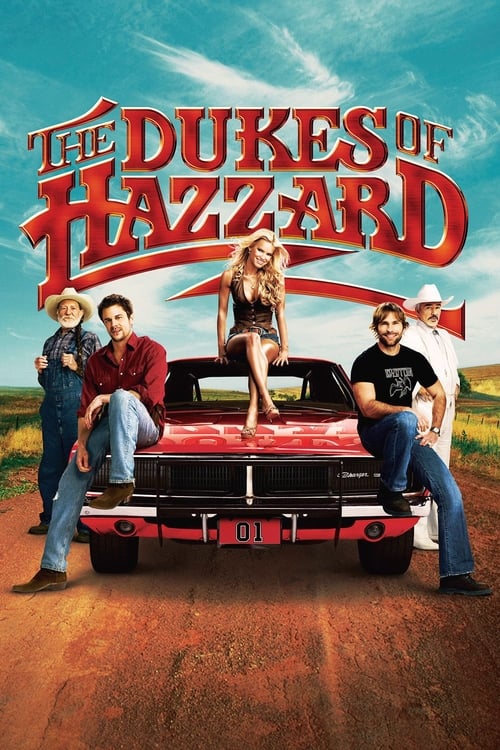
The Dukes of Hazzard
Cousins, Bo and Luke Duke, with the help of their eye-catching cousin, Daisy and moonshine-running Uncle Jesse, try and save the family farm from being destroyed by Hazzard County's corrupt commissioner, Boss Hogg. Their efforts constantly find the 'Duke Boys' eluding authorities in 'The General Lee', their 1969 orange Dodge Charger that keeps them one step ahead of the dimwitted antics of the small southern town's Sheriff, Roscoe P. Coltrane.
Despite a respectable budget of $50.0M, The Dukes of Hazzard became a solid performer, earning $110.8M worldwide—a 122% return.
5 wins & 14 nominations


Plot Structure
Story beats plotted across runtime


Narrative Arc
Emotional journey through the story's key moments
Story Circle
Blueprint 15-beat structure
Arcplot Score Breakdown
Weighted: Precision (70%) + Arc (15%) + Theme (15%)
The Dukes of Hazzard (2005) exhibits precise dramatic framework, characteristic of Jay Chandrasekhar's storytelling approach. This structural analysis examines how the film's 15-point plot structure maps to proven narrative frameworks across 1 hour and 44 minutes. With an Arcplot score of 7.4, the film balances conventional beats with creative variation.
Characters
Cast & narrative archetypes

Bo Duke
Luke Duke
Daisy Duke
Boss Hogg
Rosco P. Coltrane
Uncle Jesse
Main Cast & Characters
Bo Duke
Played by Seann William Scott
Charismatic and impulsive Duke cousin who drives the General Lee and constantly challenges authority in Hazzard County.
Luke Duke
Played by Johnny Knoxville
The more level-headed Duke cousin who balances Bo's recklessness while fighting against Boss Hogg's corruption.
Daisy Duke
Played by Jessica Simpson
Smart and resourceful cousin of Bo and Luke who uses her charm and intelligence to help the Dukes outsmart their enemies.
Boss Hogg
Played by Burt Reynolds
Corrupt Hazzard County commissioner who schemes to steal land and maintains control through intimidation and bribery.
Rosco P. Coltrane
Played by M.C. Gainey
Bumbling sheriff and reluctant accomplice to Boss Hogg who constantly pursues the Duke boys with little success.
Uncle Jesse
Played by Willie Nelson
Wise patriarch of the Duke family who runs the farm and provides moral guidance to his nephews and niece.
Structural Analysis
The Status Quo at 1 minutes (1% through the runtime) establishes Bo and Luke Duke race through Hazzard County in the General Lee, establishing their carefree, reckless lifestyle as moonshiners and rebels living on Uncle Jesse's farm in rural Georgia.. Notably, this early placement immediately immerses viewers in the story world.
The inciting incident occurs at 12 minutes when Boss Hogg announces plans to strip-mine Hazzard County, which would destroy the land and force families like the Dukes off their property. This threatens the very existence of their way of life.. At 12% through the film, this Disruption aligns precisely with traditional story structure. This beat shifts the emotional landscape, launching the protagonist into the central conflict.
The First Threshold at 26 minutes marks the transition into Act II, occurring at 25% of the runtime. This shows the protagonist's commitment to The Duke boys actively decide to sabotage Boss Hogg's plans by entering the Hazzard County road rally to expose his corruption and save the county. They commit to being heroes rather than just outlaws., moving from reaction to action.
At 52 minutes, the Midpoint arrives at 50% of the runtime—precisely centered, creating perfect narrative symmetry. Notably, this crucial beat False victory: The Dukes discover evidence of Boss Hogg's illegal plans and believe they have enough to stop him. They're winning the rally and think they're about to be heroes. But Boss Hogg is already planning his countermove., fundamentally raising what's at risk. The emotional intensity shifts, dividing the narrative into clear before-and-after phases.
The Collapse moment at 78 minutes (75% through) represents the emotional nadir. Here, The General Lee is destroyed in a massive crash/explosion orchestrated by Boss Hogg. Without their iconic car, the symbol of their freedom and identity is gone. They're also arrested and facing serious jail time., reveals the protagonist at their lowest point. This beat's placement in the final quarter sets up the climactic reversal.
The Second Threshold at 83 minutes initiates the final act resolution at 80% of the runtime. Uncle Jesse and the community rally to break them out and reveal they've rebuilt the General Lee together. The boys realize fighting corruption isn't about them alone—it's about community standing together. New plan: expose Boss Hogg publicly at the rally finale., demonstrating the transformation achieved throughout the journey.
Emotional Journey
The Dukes of Hazzard's emotional architecture traces a deliberate progression across 15 carefully calibrated beats.
Narrative Framework
This structural analysis employs structural analysis methodology used to understand storytelling architecture. By mapping The Dukes of Hazzard against these established plot points, we can identify how Jay Chandrasekhar utilizes or subverts traditional narrative conventions. The plot point approach reveals not only adherence to structural principles but also creative choices that distinguish The Dukes of Hazzard within the comedy genre.
Jay Chandrasekhar's Structural Approach
Among the 5 Jay Chandrasekhar films analyzed on Arcplot, the average structural score is 7.5, reflecting strong command of classical structure. The Dukes of Hazzard takes a more unconventional approach compared to the director's typical style. For comparative analysis, explore the complete Jay Chandrasekhar filmography.
Comparative Analysis
Additional comedy films include The Bad Guys, Ella Enchanted and The Evening Star. For more Jay Chandrasekhar analyses, see Super Troopers, Easter Sunday and Super Troopers 2.
Plot Points by Act
Act I
SetupStatus Quo
Bo and Luke Duke race through Hazzard County in the General Lee, establishing their carefree, reckless lifestyle as moonshiners and rebels living on Uncle Jesse's farm in rural Georgia.
Theme
Uncle Jesse tells the boys about loyalty, family, and standing up for what's right even when the law is corrupt. "Sometimes you gotta do what's right, not what's legal."
Worldbuilding
Introduction to Hazzard County: corrupt Boss Hogg controls everything, Sheriff Rosco is his bumbling enforcer, the Duke boys run moonshine, Daisy works at the Boar's Nest, and Cooter runs the garage. The world operates on car chases and defying corrupt authority.
Disruption
Boss Hogg announces plans to strip-mine Hazzard County, which would destroy the land and force families like the Dukes off their property. This threatens the very existence of their way of life.
Resistance
The Duke boys debate how to fight Boss Hogg. They initially want to just keep running moonshine and avoiding trouble, but Uncle Jesse and Daisy push them to take a stand. They investigate Boss Hogg's scheme and recruit allies.
Act II
ConfrontationFirst Threshold
The Duke boys actively decide to sabotage Boss Hogg's plans by entering the Hazzard County road rally to expose his corruption and save the county. They commit to being heroes rather than just outlaws.
Mirror World
Bo develops a romantic connection with Daisy's friend Laurie, who represents the "normal" life he could have if he gave up the outlaw lifestyle. She challenges him to think about his future beyond car chases.
Premise
The fun the audience came for: spectacular car chases, comic run-ins with Rosco, flirtations with Daisy at the Boar's Nest, preparing the General Lee for the rally, and outwitting Boss Hogg's various schemes with Southern charm and driving skills.
Midpoint
False victory: The Dukes discover evidence of Boss Hogg's illegal plans and believe they have enough to stop him. They're winning the rally and think they're about to be heroes. But Boss Hogg is already planning his countermove.
Opposition
Boss Hogg frames the Duke boys for crimes they didn't commit, turns the town against them, sends more dangerous enforcers after them, and accelerates his strip-mining plans. The law closes in and their reputation is destroyed.
Collapse
The General Lee is destroyed in a massive crash/explosion orchestrated by Boss Hogg. Without their iconic car, the symbol of their freedom and identity is gone. They're also arrested and facing serious jail time.
Crisis
In jail, the Duke boys face their darkest moment. They feel they've failed Uncle Jesse, lost everything, and can't stop Boss Hogg. They question whether their rebellious lifestyle was worth it.
Act III
ResolutionSecond Threshold
Uncle Jesse and the community rally to break them out and reveal they've rebuilt the General Lee together. The boys realize fighting corruption isn't about them alone—it's about community standing together. New plan: expose Boss Hogg publicly at the rally finale.
Synthesis
The climactic rally finale: massive car chase through Hazzard, the Dukes use everything they've learned, publicly expose Boss Hogg's corruption to the governor and media, save the county from strip-mining, and clear their names in an epic showdown.
Transformation
The Duke boys race through Hazzard in the General Lee again, but now as celebrated heroes rather than outlaws. They've kept their rebel spirit but earned the community's respect. They've grown from selfish troublemakers to defenders of their home.