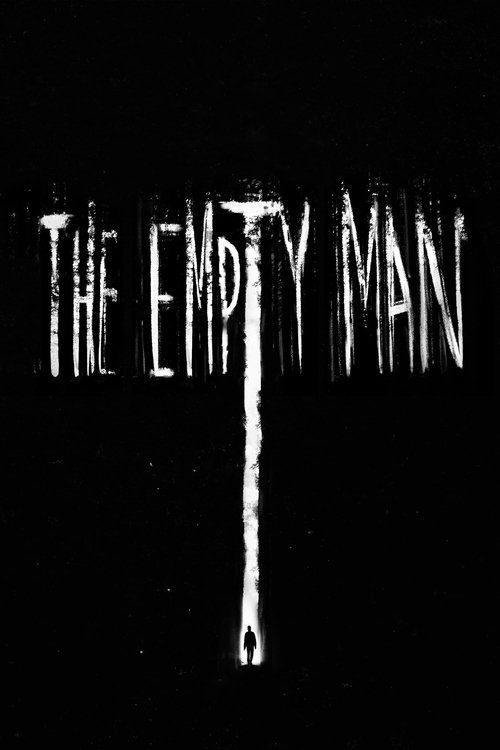
The Empty Man
On the trail of a missing girl, an ex-cop comes across a secretive group attempting to summon a terrifying supernatural entity.
The film box office disappointment against its mid-range budget of $16.0M, earning $4.8M globally (-70% loss). While initial box office returns were modest, the film has gained appreciation for its distinctive approach within the horror genre.


Plot Structure
Story beats plotted across runtime


Narrative Arc
Emotional journey through the story's key moments
Story Circle
Blueprint 15-beat structure
Arcplot Score Breakdown
Weighted: Precision (70%) + Arc (15%) + Theme (15%)
The Empty Man (2020) reveals deliberately positioned story structure, characteristic of David Prior's storytelling approach. This structural analysis examines how the film's 15-point plot structure maps to proven narrative frameworks across 2 hours and 17 minutes. With an Arcplot score of 6.9, the film balances conventional beats with creative variation.
Characters
Cast & narrative archetypes

James Lasombra
Nora Quail
Paul Dunn
Garrett Brooke
Detective Villiers
Ruthie
Main Cast & Characters
James Lasombra
Played by James Badge Dale
A former detective investigating the disappearance of his friend's daughter while uncovering a disturbing urban legend cult.
Nora Quail
Played by Sasha Frolova
A teenager who vanishes after encountering the Empty Man legend, daughter of James' friend.
Paul Dunn
Played by Stephen Root
Mysterious figure connected to the Pontifex Institute and the Empty Man mythology.
Garrett Brooke
Played by Marin Ireland
James' friend whose daughter disappears, setting the investigation in motion.
Detective Villiers
Played by Ron Canada
Police detective investigating the missing persons cases alongside James.
Ruthie
Played by Virginia Kull
Paul's daughter and member of the Pontifex Institute with deeper knowledge of the truth.
Structural Analysis
The Status Quo at 1 minutes (1% through the runtime) establishes Opening in Bhutan, 1995: Four friends on a hiking trip discover a mysterious cave with a skeleton on a bridge. Paul hears a deep resonating sound. This cold open establishes the ancient evil that will drive the entire narrative.. Structural examination shows that this early placement immediately immerses viewers in the story world.
The inciting incident occurs at 22 minutes when Amanda is found dead on the first night of James's investigation, having jumped from a hospital roof. The case James thought would be routine becomes something darker when he learns she was part of a group obsessed with "The Empty Man" urban legend.. At 16% through the film, this Disruption is delayed, allowing extended setup of the story world. This beat shifts the emotional landscape, launching the protagonist into the central conflict.
The First Threshold at 37 minutes marks the transition into Act II, occurring at 27% of the runtime. This demonstrates the protagonist's commitment to James decides to fully commit to the investigation when Amanda's friend Brandon goes missing. He actively chooses to pursue the cult angle, entering the world of the Pontifex Institute, a secretive organization connected to the disappearances., moving from reaction to action.
At 70 minutes, the Midpoint arrives at 51% of the runtime—precisely centered, creating perfect narrative symmetry. Of particular interest, this crucial beat James discovers a connection between the Bhutan incident and the current murders. He finds evidence linking Paul from the prologue to the Pontifex Institute. Stakes raise as James realizes he's been exposed to the Empty Man entity and may be running out of time., fundamentally raising what's at risk. The emotional intensity shifts, dividing the narrative into clear before-and-after phases.
The Collapse moment at 102 minutes (74% through) represents the emotional nadir. Here, James discovers the devastating truth: he is not a real person. He is a tulpa, a thought-form created by the Pontifex Institute to serve as a vessel for the Empty Man entity. His memories, his dead son, his entire life - all implanted. His identity dies., illustrates the protagonist at their lowest point. This beat's placement in the final quarter sets up the climactic reversal.
The Second Threshold at 110 minutes initiates the final act resolution at 80% of the runtime. James accepts what he is and realizes he can still act. Whether real or tulpa, he has consciousness now. He understands the cult's plan: they created him as a vessel, but he can choose what to do with that existence. He embraces his role as the Empty Man., demonstrating the transformation achieved throughout the journey.
Emotional Journey
The Empty Man's emotional architecture traces a deliberate progression across 15 carefully calibrated beats.
Narrative Framework
This structural analysis employs systematic plot point analysis that identifies crucial turning points. By mapping The Empty Man against these established plot points, we can identify how David Prior utilizes or subverts traditional narrative conventions. The plot point approach reveals not only adherence to structural principles but also creative choices that distinguish The Empty Man within the horror genre.
Comparative Analysis
Additional horror films include Thinner, A Nightmare on Elm Street and Mary Reilly.
Plot Points by Act
Act I
SetupStatus Quo
Opening in Bhutan, 1995: Four friends on a hiking trip discover a mysterious cave with a skeleton on a bridge. Paul hears a deep resonating sound. This cold open establishes the ancient evil that will drive the entire narrative.
Theme
During the prologue, one character says "There's nothing there" when investigating the cave, establishing the theme of belief, perception, and the question of what is real versus what we create through thought.
Worldbuilding
The 20-minute Bhutan prologue shows the four friends' descent into madness after the cave encounter. Three days later, Paul kills his friends and vanishes. Jump to present day: Ex-cop James Lasombra, grieving his dead son and ex-wife, is asked by his friend Nora to find her missing daughter Amanda.
Disruption
Amanda is found dead on the first night of James's investigation, having jumped from a hospital roof. The case James thought would be routine becomes something darker when he learns she was part of a group obsessed with "The Empty Man" urban legend.
Resistance
James investigates Amanda's friends and discovers the legend: blow into a bottle on a bridge at night, the Empty Man comes. First night: whispers. Second night: visions. Third night: he takes you. James is skeptical but curious, finding connections to missing teens.
Act II
ConfrontationFirst Threshold
James decides to fully commit to the investigation when Amanda's friend Brandon goes missing. He actively chooses to pursue the cult angle, entering the world of the Pontifex Institute, a secretive organization connected to the disappearances.
Mirror World
James meets with members of the Pontifex Institute and begins experiencing strange visions and hearing whispers himself. The thematic mirror shows him that belief creates reality - the very thing he's investigating is infecting him.
Premise
James investigates deeper into the Pontifex Institute while experiencing increasing hallucinations and temporal distortions. He discovers the cult's philosophy about tulpas - thought-forms brought into existence through belief. The horror premise unfolds as reality becomes unstable.
Midpoint
James discovers a connection between the Bhutan incident and the current murders. He finds evidence linking Paul from the prologue to the Pontifex Institute. Stakes raise as James realizes he's been exposed to the Empty Man entity and may be running out of time.
Opposition
James's investigation intensifies as more teens die. The Pontifex Institute members close in, and his grip on reality deteriorates. He experiences vivid hallucinations of his dead son and ex-wife. The cult's true purpose begins to emerge - they're trying to birth a physical manifestation of the Empty Man.
Collapse
James discovers the devastating truth: he is not a real person. He is a tulpa, a thought-form created by the Pontifex Institute to serve as a vessel for the Empty Man entity. His memories, his dead son, his entire life - all implanted. His identity dies.
Crisis
James grapples with the revelation of his non-existence. In his darkest moment, he reviews "memories" that were manufactured, sees evidence of his "creation" four days ago, and confronts the reality that everything he believed about himself was a lie.
Act III
ResolutionSecond Threshold
James accepts what he is and realizes he can still act. Whether real or tulpa, he has consciousness now. He understands the cult's plan: they created him as a vessel, but he can choose what to do with that existence. He embraces his role as the Empty Man.
Synthesis
James confronts the Pontifex Institute leaders. The entity fully manifests through him. Reality warps completely. The cult's plan succeeds - they have created a god through collective belief. James, now the Empty Man, fulfills the dark prophecy as the tulpa becomes autonomous and unstoppable.
Transformation
Final image mirrors the opening: James/Empty Man walks away as the cult celebrates their success. The film ends with the suggestion that the Empty Man will spread, with new believers creating new manifestations. The detective who sought truth became the lie made real.