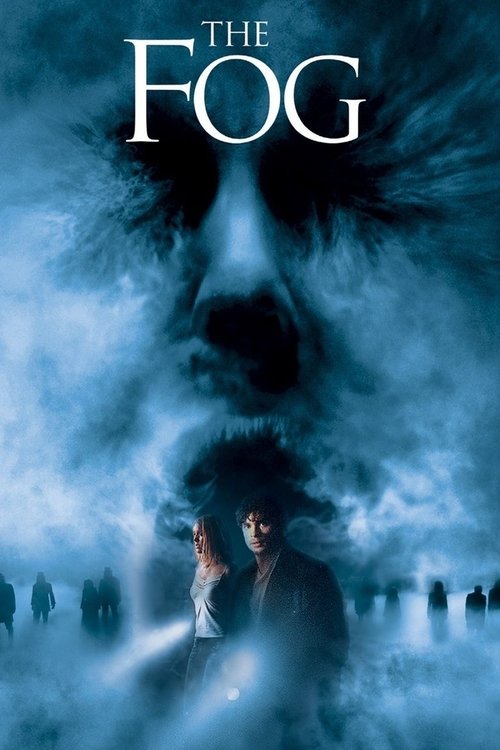
The Fog
Trapped within an eerie mist, the residents of Antonio Bay have become the unwitting victims of a horrifying vengeance. One hundred years earlier, a ship carrying lepers was purposely lured onto the rocky coastline and sank, drowning all aboard. Now they're back – long-dead mariners who've waited a century for their revenge.
Despite a mid-range budget of $18.0M, The Fog became a solid performer, earning $46.2M worldwide—a 157% return.


Plot Structure
Story beats plotted across runtime


Narrative Arc
Emotional journey through the story's key moments
Story Circle
Blueprint 15-beat structure
Arcplot Score Breakdown
Weighted: Precision (70%) + Arc (15%) + Theme (15%)
The Fog (2005) exemplifies carefully calibrated narrative architecture, characteristic of Rupert Wainwright's storytelling approach. This structural analysis examines how the film's 15-point plot structure maps to proven narrative frameworks across 1 hour and 40 minutes. With an Arcplot score of 7.3, the film balances conventional beats with creative variation.
Characters
Cast & narrative archetypes

Nick Castle
Elizabeth Williams
Stevie Wayne
Kathy Williams
Spooner
Father Malone
Blake
Main Cast & Characters
Nick Castle
Played by Tom Welling
A fishing boat operator who returns to Antonio Bay and becomes central to fighting the supernatural threat from the fog.
Elizabeth Williams
Played by Maggie Grace
A young woman who hitchhikes to Antonio Bay and discovers a supernatural connection to the town's dark past.
Stevie Wayne
Played by Selma Blair
The local radio DJ who broadcasts from the lighthouse and becomes a key voice warning the town about the fog.
Kathy Williams
Played by Sara Botsford
Elizabeth's aunt and the town's mayor, who knows the truth about Antonio Bay's founding and the curse.
Spooner
Played by DeRay Davis
Nick's friend and fishing boat crew member who encounters the fog early in the film.
Father Malone
Played by Kenneth Welsh
The local priest who discovers his ancestor's journal revealing the town's dark secret and the reason for the supernatural revenge.
Blake
Played by Rade Serbedzija
The ghostly leader of the cursed sailors seeking revenge on Antonio Bay for the betrayal that killed them.
Structural Analysis
The Status Quo at 1 minutes (1% through the runtime) establishes The town of Antonio Bay prepares for its 100th anniversary celebration. Elizabeth returns to town after time away, establishing the peaceful coastal community before the supernatural disruption.. Of particular interest, this early placement immediately immerses viewers in the story world.
The inciting incident occurs at 13 minutes when A mysterious fog bank appears offshore at exactly midnight. Strange supernatural phenomena begin: electronics malfunction, windows shatter, and an ominous presence makes itself known. The fog defies natural behavior, moving against the wind.. At 13% through the film, this Disruption is delayed, allowing extended setup of the story world. This beat shifts the emotional landscape, launching the protagonist into the central conflict.
The First Threshold at 25 minutes marks the transition into Act II, occurring at 25% of the runtime. This reveals the protagonist's commitment to The first murders occur as the ghostly mariners emerge from the fog and kill members of the fishing crew. Nick and Elizabeth actively choose to investigate what's happening rather than flee, crossing into a world of supernatural danger., moving from reaction to action.
At 51 minutes, the Midpoint arrives at 51% of the runtime—precisely centered, creating perfect narrative symmetry. Notably, this crucial beat Elizabeth discovers she is the reincarnation of Blake's wife from the murdered ship. The stakes become personal - she's not just a random victim but connected to the curse. The ghosts specifically want the descendants of the founding fathers, raising the danger for everyone., fundamentally raising what's at risk. The emotional intensity shifts, dividing the narrative into clear before-and-after phases.
The Collapse moment at 75 minutes (75% through) represents the emotional nadir. Here, The fog engulfs the entire town during the anniversary celebration. Mass casualties occur as the ghosts attack indiscriminately. Key characters are killed, and it appears there's no escape. The town's century of denial has led to this moment of reckoning and death., illustrates the protagonist at their lowest point. This beat's placement in the final quarter sets up the climactic reversal.
The Second Threshold at 80 minutes initiates the final act resolution at 80% of the runtime. Elizabeth realizes the only way to stop the curse is to acknowledge the truth and return what was stolen. She discovers the location of Blake's gold and understands she must confront the ghost of her former husband, combining her past-life memories with her present courage., demonstrating the transformation achieved throughout the journey.
Emotional Journey
The Fog's emotional architecture traces a deliberate progression across 15 carefully calibrated beats.
Narrative Framework
This structural analysis employs systematic plot point analysis that identifies crucial turning points. By mapping The Fog against these established plot points, we can identify how Rupert Wainwright utilizes or subverts traditional narrative conventions. The plot point approach reveals not only adherence to structural principles but also creative choices that distinguish The Fog within the horror genre.
Rupert Wainwright's Structural Approach
Among the 3 Rupert Wainwright films analyzed on Arcplot, the average structural score is 7.3, reflecting strong command of classical structure. The Fog takes a more unconventional approach compared to the director's typical style. For comparative analysis, explore the complete Rupert Wainwright filmography.
Comparative Analysis
Additional horror films include Thinner, A Nightmare on Elm Street and Mary Reilly. For more Rupert Wainwright analyses, see Blank Check, Stigmata.
Plot Points by Act
Act I
SetupStatus Quo
The town of Antonio Bay prepares for its 100th anniversary celebration. Elizabeth returns to town after time away, establishing the peaceful coastal community before the supernatural disruption.
Theme
An old resident tells the story of the town's founding, hinting that "what you don't know can't hurt you" - establishing the theme that hidden sins and buried truths will eventually surface.
Worldbuilding
Introduction to the town of Antonio Bay, its anniversary preparations, the main characters including Elizabeth, Nick, and Stevie. The fishing community and its routines are established, along with the lighthouse radio station and the island setting.
Disruption
A mysterious fog bank appears offshore at exactly midnight. Strange supernatural phenomena begin: electronics malfunction, windows shatter, and an ominous presence makes itself known. The fog defies natural behavior, moving against the wind.
Resistance
The characters debate and investigate the strange occurrences. Nick and his crew encounter the fog on the water. Stevie witnesses odd events from the lighthouse. Elizabeth experiences disturbing visions and dreams about the past, but resists their meaning.
Act II
ConfrontationFirst Threshold
The first murders occur as the ghostly mariners emerge from the fog and kill members of the fishing crew. Nick and Elizabeth actively choose to investigate what's happening rather than flee, crossing into a world of supernatural danger.
Mirror World
Elizabeth and Nick's relationship deepens as they work together. Nick represents connection to the present and the town's future, while Elizabeth is increasingly pulled toward the past - this relationship will carry the thematic question of confronting vs. avoiding truth.
Premise
The horror premise unfolds: the fog returns, more people die, and the characters discover the truth about the town's founding. They learn the town was built on murder - the founding fathers lured a ship full of lepers to their deaths to steal their gold. The vengeful ghosts seek justice.
Midpoint
Elizabeth discovers she is the reincarnation of Blake's wife from the murdered ship. The stakes become personal - she's not just a random victim but connected to the curse. The ghosts specifically want the descendants of the founding fathers, raising the danger for everyone.
Opposition
The fog intensifies and spreads throughout the town. The body count rises. Town leaders try to hide the truth even as people die. Elizabeth experiences more violent visions. The survivors are trapped as the fog surrounds them, and the ghosts grow stronger.
Collapse
The fog engulfs the entire town during the anniversary celebration. Mass casualties occur as the ghosts attack indiscriminately. Key characters are killed, and it appears there's no escape. The town's century of denial has led to this moment of reckoning and death.
Crisis
Elizabeth confronts her darkest fear - that she must surrender herself to the ghosts. The survivors huddle in terror, facing the reality that their ancestors' sins demand payment. The question becomes: who will pay the price for past crimes?
Act III
ResolutionSecond Threshold
Elizabeth realizes the only way to stop the curse is to acknowledge the truth and return what was stolen. She discovers the location of Blake's gold and understands she must confront the ghost of her former husband, combining her past-life memories with her present courage.
Synthesis
Elizabeth confronts Blake, returns the stolen gold to the sea, and publicly acknowledges the town's crime. The truth is finally spoken. She sacrifices her connection to her past life to save the present. The fog dissipates as justice is served and the dead are acknowledged.
Transformation
The fog clears and Antonio Bay is peaceful again, but fundamentally changed. The survivors understand their history now. Elizabeth, freed from her visions, can move forward with Nick. The town must rebuild with truth rather than lies - a darker, wiser version of the opening image.