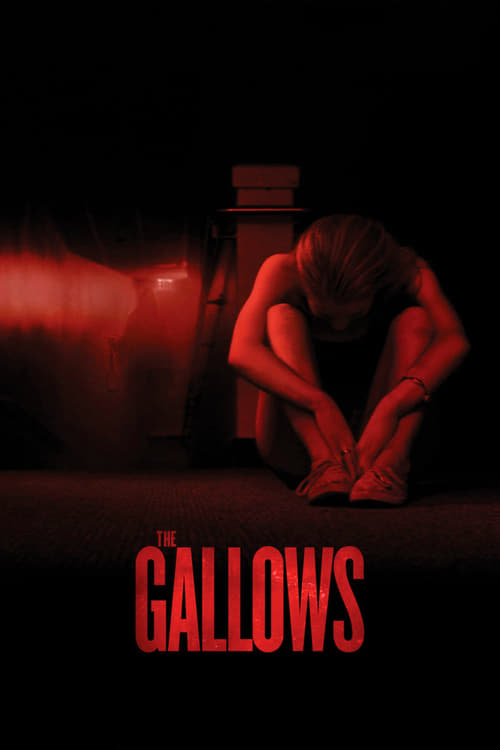
The Gallows
20 years after a horrific accident during a small town school play, students at the school resurrect the failed show in a misguided attempt to honor the anniversary of the tragedy - but soon discover that some things are better left alone.
Despite its microbudget of $100K, The Gallows became a massive hit, earning $43.0M worldwide—a remarkable 42864% return. The film's bold vision connected with viewers, demonstrating that strong storytelling can transcend budget limitations.


Plot Structure
Story beats plotted across runtime


Narrative Arc
Emotional journey through the story's key moments
Story Circle
Blueprint 15-beat structure
Arcplot Score Breakdown
Weighted: Precision (70%) + Arc (15%) + Theme (15%)
The Gallows (2015) reveals deliberately positioned plot construction, characteristic of Travis Cluff's storytelling approach. This structural analysis examines how the film's 15-point plot structure maps to proven narrative frameworks across 1 hour and 21 minutes. With an Arcplot score of 7.3, the film balances conventional beats with creative variation.
Characters
Cast & narrative archetypes

Reese Houser
Pfeifer Ross
Ryan Shoos
Cassidy Spilker
Charlie Grimille
Main Cast & Characters
Reese Houser
Played by Reese Mishler
A jock reluctantly cast in the school play who becomes the primary protagonist investigating the supernatural events surrounding Charlie's death.
Pfeifer Ross
Played by Pfeifer Brown
Reese's ex-girlfriend and lead actress in the play who tries to help him overcome his stage fright while caught in the haunting.
Ryan Shoos
Played by Ryan Shoos
Reese's best friend and cameraman who documents their break-in to sabotage the play, providing comic relief before the horror unfolds.
Cassidy Spilker
Played by Cassidy Gifford
Ryan's girlfriend and a member of the drama club who joins the group in breaking into the school.
Charlie Grimille
Played by Jesse Cross
The deceased student who died in a stage accident 20 years prior, whose vengeful spirit haunts the school and the play's production.
Structural Analysis
The Status Quo at 1 minutes (1% through the runtime) establishes 1993 footage shows Charlie Grimille's tragic death during a school play "The Gallows" when a prop malfunction hangs him on stage. Establishes the cursed history of the production.. Structural examination shows that this early placement immediately immerses viewers in the story world.
The inciting incident occurs at 10 minutes when Ryan convinces Reese to sabotage the play set overnight to save him from embarrassment and win Cassidy's attention. The decision to break into the school disrupts normal teenage life.. At 12% through the film, this Disruption aligns precisely with traditional story structure. This beat shifts the emotional landscape, launching the protagonist into the central conflict.
The First Threshold at 19 minutes marks the transition into Act II, occurring at 24% of the runtime. This reveals the protagonist's commitment to The four teens enter the locked high school at night. They cross the threshold into the haunted space where Charlie died, committing to the trespass., moving from reaction to action.
At 39 minutes, the Midpoint arrives at 49% of the runtime—precisely centered, creating perfect narrative symmetry. Of particular interest, this crucial beat They discover they are completely locked in with no exit. All doors are chained from the outside. The stakes raise from prank to survival as Charlie's ghost appears to be real., fundamentally raising what's at risk. The emotional intensity shifts, dividing the narrative into clear before-and-after phases.
The Collapse moment at 59 minutes (72% through) represents the emotional nadir. Here, Ryan discovers Reese's dead body hanging from the gallows, recreating Charlie's original death. The "whiff of death" is literal - his best friend is murdered by the ghost., reveals the protagonist at their lowest point. This beat's placement in the final quarter sets up the climactic reversal.
The Second Threshold at 64 minutes initiates the final act resolution at 79% of the runtime. Ryan realizes Pfeifer has been manipulating events - she is Charlie's sister seeking revenge. The supernatural and human threats merge as the truth is revealed., demonstrating the transformation achieved throughout the journey.
Emotional Journey
The Gallows's emotional architecture traces a deliberate progression across 15 carefully calibrated beats.
Narrative Framework
This structural analysis employs a 15-point narrative structure framework that maps key story moments. By mapping The Gallows against these established plot points, we can identify how Travis Cluff utilizes or subverts traditional narrative conventions. The plot point approach reveals not only adherence to structural principles but also creative choices that distinguish The Gallows within the horror genre.
Comparative Analysis
Additional horror films include Thinner, A Nightmare on Elm Street and Mary Reilly.
Plot Points by Act
Act I
SetupStatus Quo
1993 footage shows Charlie Grimille's tragic death during a school play "The Gallows" when a prop malfunction hangs him on stage. Establishes the cursed history of the production.
Theme
Reese films Ryan mocking the upcoming play revival, saying "some things are better left dead." The theme of disturbing the past and facing consequences is stated.
Worldbuilding
Present day: Jock Ryan documents his friend Reese starring in the school's revival of "The Gallows" 20 years after Charlie's death. Ryan pursues cheerleader Cassidy who's involved in the play. Establishes high school social dynamics and Ryan's crush as motivation.
Disruption
Ryan convinces Reese to sabotage the play set overnight to save him from embarrassment and win Cassidy's attention. The decision to break into the school disrupts normal teenage life.
Resistance
Ryan plans the break-in with Reese and his girlfriend Cassidy. They debate the morality and risk. Cassidy unexpectedly joins them at the school, complicating the plan.
Act II
ConfrontationFirst Threshold
The four teens enter the locked high school at night. They cross the threshold into the haunted space where Charlie died, committing to the trespass.
Mirror World
They discover Pfeifer, the stage manager, already in the theater. She represents the thematic mirror: someone who respects the play's history versus those who mock it.
Premise
The group explores the dark school and begins vandalizing the set. Supernatural events escalate: doors lock, lights malfunction, they hear strange sounds. Classic found-footage horror "fun" as they realize they're trapped and something is hunting them.
Midpoint
They discover they are completely locked in with no exit. All doors are chained from the outside. The stakes raise from prank to survival as Charlie's ghost appears to be real.
Opposition
Charlie's vengeful spirit actively stalks them through the school. They split up and are picked off one by one. Reese is hanged by the noose. The entity grows stronger as they desperately search for escape.
Collapse
Ryan discovers Reese's dead body hanging from the gallows, recreating Charlie's original death. The "whiff of death" is literal - his best friend is murdered by the ghost.
Crisis
Ryan and Cassidy experience dark night of the soul, trapped in the theater with a vengeful spirit. They process the horror and their guilt for disturbing Charlie's resting place.
Act III
ResolutionSecond Threshold
Ryan realizes Pfeifer has been manipulating events - she is Charlie's sister seeking revenge. The supernatural and human threats merge as the truth is revealed.
Synthesis
Final confrontation with both Pfeifer and Charlie's ghost on the stage. Cassidy is forced to perform "The Gallows" while Ryan is hanged. The curse completes its cycle through the finale sequence.
Transformation
Found footage reveals Ryan hanged on stage, mirroring the opening image of Charlie's death. The curse is perpetuated, not broken. The transformation is tragic: from cocky jock to victim of the very history he mocked.