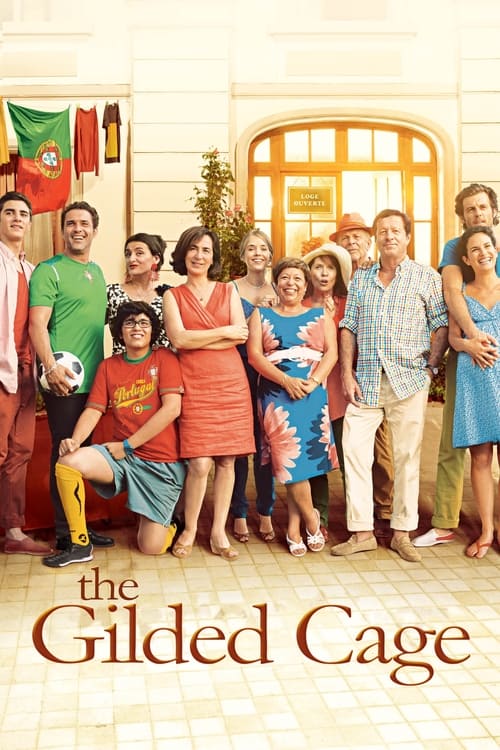
The Gilded Cage
In the beautiful area of Paris, Maria and José Ribeiro lived for almost thirty years on the ground floor of a Haussmann building, in their dear little lodge.
Working with a tight budget of $7.0M, the film achieved a modest success with $11.3M in global revenue (+62% profit margin).



Plot Structure
Story beats plotted across runtime


Narrative Arc
Emotional journey through the story's key moments
Story Circle
Blueprint 15-beat structure
Arcplot Score Breakdown
Weighted: Precision (70%) + Arc (15%) + Theme (15%)
The Gilded Cage (2013) reveals strategically placed narrative design, characteristic of Ruben Alves's storytelling approach. This structural analysis examines how the film's 15-point plot structure maps to proven narrative frameworks across 1 hour and 30 minutes. With an Arcplot score of 7.3, the film balances conventional beats with creative variation.
Structural Analysis
The Status Quo at 1 minutes (1% through the runtime) establishes Maria and José live their comfortable immigrant life in Paris. Maria works as a concierge in a luxurious building, José as a construction foreman. They're established, respected, and have built a life over 30 years in France.. Notably, this early placement immediately immerses viewers in the story world.
The inciting incident occurs at 11 minutes when Maria and José announce to their wealthy employers that they're retiring and returning to Portugal permanently. Their employers are devastated and refuse to accept it, setting in motion a scheme to keep them in Paris.. At 12% through the film, this Disruption aligns precisely with traditional story structure. This beat shifts the emotional landscape, launching the protagonist into the central conflict.
The First Threshold at 23 minutes marks the transition into Act II, occurring at 25% of the runtime. This reveals the protagonist's commitment to Despite all obstacles and pressure, Maria and José make the firm decision to return to Portugal. They commit to leaving their Parisian life behind, sell or give away possessions, and actively prepare for departure. The journey home begins., moving from reaction to action.
At 45 minutes, the Midpoint arrives at 51% of the runtime—precisely centered, creating perfect narrative symmetry. Notably, this crucial beat A major sabotage attempt succeeds or a significant revelation occurs: perhaps the couple discovers the extent of the scheming, or they face a bureaucratic nightmare that truly threatens their departure. The stakes raise dramatically. What seemed like a simple return home becomes genuinely complicated., fundamentally raising what's at risk. The emotional intensity shifts, dividing the narrative into clear before-and-after phases.
The Collapse moment at 68 minutes (76% through) represents the emotional nadir. Here, The dream of returning home dies. Either the final obstacle proves insurmountable, or Maria and José have a devastating fight about what they truly want, or they realize that "home" no longer exists as they remembered it. Their identity crisis reaches its peak., shows the protagonist at their lowest point. This beat's placement in the final quarter sets up the climactic reversal.
The Second Threshold at 72 minutes initiates the final act resolution at 80% of the runtime. A moment of clarity arrives. Maria and José realize that home isn't a place—it's the life they've built together, the people who love them, and the community they've created. They understand that they can honor both their Portuguese heritage and their French reality., demonstrating the transformation achieved throughout the journey.
Emotional Journey
The Gilded Cage's emotional architecture traces a deliberate progression across 15 carefully calibrated beats.
Narrative Framework
This structural analysis employs structural analysis methodology used to understand storytelling architecture. By mapping The Gilded Cage against these established plot points, we can identify how Ruben Alves utilizes or subverts traditional narrative conventions. The plot point approach reveals not only adherence to structural principles but also creative choices that distinguish The Gilded Cage within the comedy genre.
Comparative Analysis
Additional comedy films include The Ministry of Ungentlemanly Warfare, The Bad Guys and Lake Placid.
Plot Points by Act
Act I
SetupStatus Quo
Maria and José live their comfortable immigrant life in Paris. Maria works as a concierge in a luxurious building, José as a construction foreman. They're established, respected, and have built a life over 30 years in France.
Theme
A neighbor or family member mentions something about home and belonging: "You can leave Portugal, but Portugal never leaves you." The question of identity and what defines home is planted.
Worldbuilding
Establishing the couple's daily routines in Paris, their relationship with their French employers and neighbors, their adult children who are fully assimilated into French culture, and their tight-knit Portuguese immigrant community. The life they've built is solid but detached from their homeland.
Disruption
Maria and José announce to their wealthy employers that they're retiring and returning to Portugal permanently. Their employers are devastated and refuse to accept it, setting in motion a scheme to keep them in Paris.
Resistance
The couple begins preparing for their return while their employers and the Portuguese community debate and discuss what this means. Maria and José face resistance from their children who are fully French and don't want to leave Paris. They wrestle with the decision.
Act II
ConfrontationFirst Threshold
Despite all obstacles and pressure, Maria and José make the firm decision to return to Portugal. They commit to leaving their Parisian life behind, sell or give away possessions, and actively prepare for departure. The journey home begins.
Mirror World
The employers and neighbors, representing the French world that has become dependent on them, begin actively scheming to sabotage the departure. This subplot reveals how much the couple means to their community and raises questions about where they truly belong.
Premise
The comedy of the situation unfolds as the employers create increasingly absurd obstacles: hiding passports, inventing emergencies, enlisting the Portuguese community, and fabricating reasons for the couple to stay. Meanwhile, Maria and José navigate their own doubts and the reality of leaving.
Midpoint
A major sabotage attempt succeeds or a significant revelation occurs: perhaps the couple discovers the extent of the scheming, or they face a bureaucratic nightmare that truly threatens their departure. The stakes raise dramatically. What seemed like a simple return home becomes genuinely complicated.
Opposition
Pressure mounts from all sides. The employers escalate their schemes, the children emotional pleas intensify, bureaucratic hurdles multiply, and Maria and José begin to truly question their decision. Their relationship strains under the weight of conflicting desires and loyalties.
Collapse
The dream of returning home dies. Either the final obstacle proves insurmountable, or Maria and José have a devastating fight about what they truly want, or they realize that "home" no longer exists as they remembered it. Their identity crisis reaches its peak.
Crisis
In the emotional aftermath, Maria and José separately reflect on their lives, their choices, and what home really means. They process the loss of their idealized vision and confront the truth about their identity: are they Portuguese, French, or something in between?
Act III
ResolutionSecond Threshold
A moment of clarity arrives. Maria and José realize that home isn't a place—it's the life they've built together, the people who love them, and the community they've created. They understand that they can honor both their Portuguese heritage and their French reality.
Synthesis
Armed with this new understanding, Maria and José confront their employers, their children, and their community. They make their final decision about where to live, but now it comes from a place of wisdom rather than nostalgia or obligation. Relationships are reconciled, and a new equilibrium is found.
Transformation
The closing image mirrors the opening but shows transformation. Whether in Paris or Portugal, Maria and José are now at peace with their hybrid identity. They've learned that you can belong to multiple places, and that home is where your heart and people are, not just where you were born.