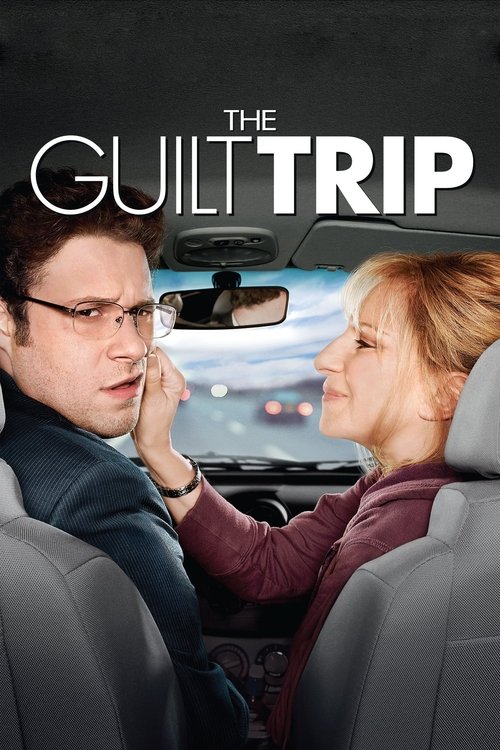
The Guilt Trip
An inventor and his mom hit the road together so he can sell his latest invention.
Working with a respectable budget of $40.0M, the film achieved a respectable showing with $41.9M in global revenue (+5% profit margin).


Plot Structure
Story beats plotted across runtime


Narrative Arc
Emotional journey through the story's key moments
Story Circle
Blueprint 15-beat structure
Arcplot Score Breakdown
Weighted: Precision (70%) + Arc (15%) + Theme (15%)
The Guilt Trip (2012) exemplifies strategically placed dramatic framework, characteristic of Anne Fletcher's storytelling approach. This structural analysis examines how the film's 15-point plot structure maps to proven narrative frameworks across 1 hour and 35 minutes. With an Arcplot score of 6.8, the film balances conventional beats with creative variation.
Characters
Cast & narrative archetypes

Andy Brewster
Joyce Brewster
Main Cast & Characters
Andy Brewster
Played by Seth Rogen
An inventor embarking on a cross-country road trip to pitch his organic cleaning product, who reluctantly brings his overbearing mother along.
Joyce Brewster
Played by Barbra Streisand
Andy's widowed mother, a chatty and loving woman who seizes the road trip as a chance to reconnect with her son and revisit her past.
Structural Analysis
The Status Quo at 1 minutes (1% through the runtime) establishes Andy arrives at his mother Joyce's house in New Jersey, showing their familiar but strained dynamic. He's a struggling inventor who keeps his mother at emotional distance while she constantly meddles in his life.. Structural examination shows that this early placement immediately immerses viewers in the story world.
The inciting incident occurs at 11 minutes when Andy learns his mother's first love was named Andrew Margolis and he's still alive in San Francisco. This information coincides with Andy's cross-country sales trip, creating the opportunity for the journey together.. At 12% through the film, this Disruption aligns precisely with traditional story structure. This beat shifts the emotional landscape, launching the protagonist into the central conflict.
The First Threshold at 23 minutes marks the transition into Act II, occurring at 24% of the runtime. This shows the protagonist's commitment to Andy invites Joyce on the cross-country road trip to San Francisco. Joyce excitedly accepts. They leave New Jersey together, beginning their journey into Act 2 where their relationship will be tested and transformed., moving from reaction to action.
At 48 minutes, the Midpoint arrives at 50% of the runtime—precisely centered, creating perfect narrative symmetry. Of particular interest, this crucial beat At a steakhouse challenge, Joyce attempts to help Andy's confidence by eating a massive steak, but becomes sick. The moment represents false victory (bonding attempt) turning to defeat. Andy realizes the trip isn't going as planned and his sales pitches are failing., fundamentally raising what's at risk. The emotional intensity shifts, dividing the narrative into clear before-and-after phases.
The Collapse moment at 71 minutes (75% through) represents the emotional nadir. Here, Andy cruelly lashes out at Joyce, telling her she's annoying and that he only invited her to reunite her with Andrew Margolis, not because he wanted her company. Joyce is devastated. Their relationship "dies" - the emotional core of their connection seems destroyed., reveals the protagonist at their lowest point. This beat's placement in the final quarter sets up the climactic reversal.
The Second Threshold at 75 minutes initiates the final act resolution at 79% of the runtime. Andy realizes he needs to make things right with his mother and that he actually values her presence and support. He understands that her annoying qualities come from love. He chooses to prioritize their relationship over his ego., demonstrating the transformation achieved throughout the journey.
Emotional Journey
The Guilt Trip's emotional architecture traces a deliberate progression across 15 carefully calibrated beats.
Narrative Framework
This structural analysis employs structural analysis methodology used to understand storytelling architecture. By mapping The Guilt Trip against these established plot points, we can identify how Anne Fletcher utilizes or subverts traditional narrative conventions. The plot point approach reveals not only adherence to structural principles but also creative choices that distinguish The Guilt Trip within the comedy genre.
Anne Fletcher's Structural Approach
Among the 3 Anne Fletcher films analyzed on Arcplot, the average structural score is 6.9, demonstrating varied approaches to story architecture. The Guilt Trip takes a more unconventional approach compared to the director's typical style. For comparative analysis, explore the complete Anne Fletcher filmography.
Comparative Analysis
Additional comedy films include The Bad Guys, Ella Enchanted and The Evening Star. For more Anne Fletcher analyses, see Hot Pursuit, The Proposal.
Plot Points by Act
Act I
SetupStatus Quo
Andy arrives at his mother Joyce's house in New Jersey, showing their familiar but strained dynamic. He's a struggling inventor who keeps his mother at emotional distance while she constantly meddles in his life.
Theme
Joyce tells Andy about his father's first love before her, revealing that sometimes people need second chances and that love can be found in unexpected places. This plants the theme of accepting imperfect relationships.
Worldbuilding
Establishing Andy's struggling business (organic cleaning product "ScieoClean"), his awkward relationship with his overbearing mother Joyce, his upcoming sales pitch trip across country, and Joyce's lonely life as a widow who overshares and interferes.
Disruption
Andy learns his mother's first love was named Andrew Margolis and he's still alive in San Francisco. This information coincides with Andy's cross-country sales trip, creating the opportunity for the journey together.
Resistance
Andy debates inviting his mother on the trip. He rationalizes it as doing something nice for her (reuniting her with Andrew Margolis) while avoiding admitting he wants company and support for his sales pitch journey.
Act II
ConfrontationFirst Threshold
Andy invites Joyce on the cross-country road trip to San Francisco. Joyce excitedly accepts. They leave New Jersey together, beginning their journey into Act 2 where their relationship will be tested and transformed.
Mirror World
Early road trip moments show Joyce's enthusiasm and Andy's irritation, establishing the mother-son dynamic that will carry the thematic journey. Joyce represents unconditional love and acceptance that Andy needs to learn.
Premise
The "fun and games" of the road trip: awkward sales pitches that fail, Joyce's embarrassing behaviors (singing loudly, oversharing), bonding moments, comedy from their personality clash, and Joyce's attempts to help that backfire. Andy grows increasingly frustrated.
Midpoint
At a steakhouse challenge, Joyce attempts to help Andy's confidence by eating a massive steak, but becomes sick. The moment represents false victory (bonding attempt) turning to defeat. Andy realizes the trip isn't going as planned and his sales pitches are failing.
Opposition
Tension escalates as sales pitches continue to fail. Andy becomes more irritable and short with Joyce. Joyce's behaviors increasingly annoy him. Their personality conflicts intensify, leading toward inevitable confrontation. Andy's emotional walls grow higher.
Collapse
Andy cruelly lashes out at Joyce, telling her she's annoying and that he only invited her to reunite her with Andrew Margolis, not because he wanted her company. Joyce is devastated. Their relationship "dies" - the emotional core of their connection seems destroyed.
Crisis
Andy reflects on his cruelty while Joyce processes her hurt in silence. The painful quiet between them forces Andy to confront what he's done and what he really wants from their relationship. Joyce withdraws emotionally.
Act III
ResolutionSecond Threshold
Andy realizes he needs to make things right with his mother and that he actually values her presence and support. He understands that her annoying qualities come from love. He chooses to prioritize their relationship over his ego.
Synthesis
Andy apologizes sincerely to Joyce. They visit Andrew Margolis together, but Joyce realizes she doesn't need that reunion - she has a good life. Andy gives his final, successful sales pitch with newfound confidence from accepting his mother's love. They reconcile fully.
Transformation
Andy and Joyce drive together in comfortable companionship, both transformed. Andy has learned to accept and appreciate his mother's love despite her flaws. Joyce has learned boundaries. Their relationship is authentic and loving rather than obligatory and strained.