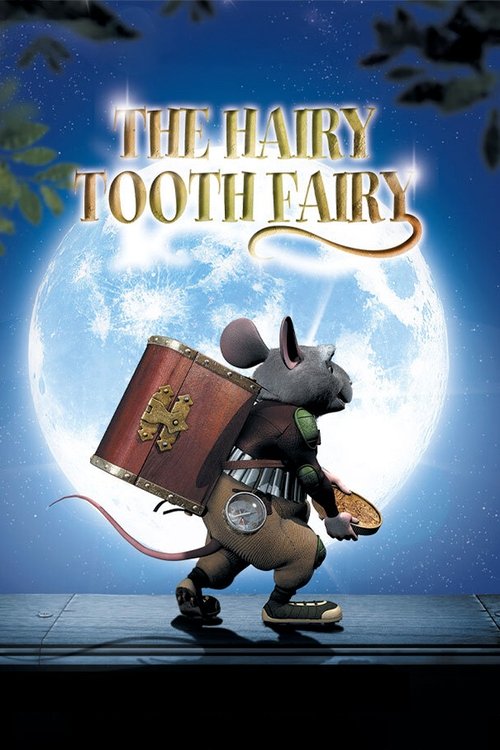
The Hairy Tooth Fairy
Lucía, an active little girl, looses a tooth. Santiago, her father, is an out-of-work boss, and her mother, Pilar, is a successful but overworked architect, reassure Lucía, by telling her that the Hairy Tooth Fairy (a mouse named Pérez) will come to her bedroom to collect her tooth, leaving some money in its place. A mouse who had been monitoring the situation tells another mouse, who in turn tells another mouse until finally the news reaches Pérez, The Hairy Tooth Fairy, who lives in a boat in the port along with hundreds of other mice. They receive the teeth that he collects, and then clean, shape and polish them so that they can be transformed into shiny round pearls. These pearls are then carried through the citys sewers until finally they reach the jewellers owned by Morientes, where an old friend exchanges them for their weight in gold.
The film earned $10.6M at the global box office.






Plot Structure
Story beats plotted across runtime


Narrative Arc
Emotional journey through the story's key moments
Story Circle
Blueprint 15-beat structure
Arcplot Score Breakdown
Weighted: Precision (70%) + Arc (15%) + Theme (15%)
The Hairy Tooth Fairy (2006) reveals carefully calibrated narrative architecture, characteristic of Juan Pablo Buscarini's storytelling approach. This structural analysis examines how the film's 15-point plot structure maps to proven narrative frameworks across 1 hour and 30 minutes. With an Arcplot score of 7.4, the film balances conventional beats with creative variation.
Structural Analysis
The Status Quo at 1 minutes (1% through the runtime) establishes Pérez is shown as a successful tooth fairy, living his ordinary life collecting children's teeth and leaving coins, working within the magical tooth fairy world system.. The analysis reveals that this early placement immediately immerses viewers in the story world.
The inciting incident occurs at 10 minutes when A threat emerges to the tooth fairy world - either an evil force threatens to destroy the magic or a child stops believing, creating a crisis that disrupts Pérez's comfortable routine.. At 11% through the film, this Disruption aligns precisely with traditional story structure. This beat shifts the emotional landscape, launching the protagonist into the central conflict.
The First Threshold at 21 minutes marks the transition into Act II, occurring at 23% of the runtime. This illustrates the protagonist's commitment to Pérez makes the active choice to accept the quest and leave the safety of the tooth fairy world to venture into the human world or confront the antagonist, committing to the adventure., moving from reaction to action.
At 44 minutes, the Midpoint arrives at 49% of the runtime—precisely centered, creating perfect narrative symmetry. Structural examination shows that this crucial beat A false victory where Pérez seems to have succeeded in his mission or gained an important advantage against the antagonist. Stakes are raised as the true challenge becomes clear., fundamentally raising what's at risk. The emotional intensity shifts, dividing the narrative into clear before-and-after phases.
The Collapse moment at 66 minutes (73% through) represents the emotional nadir. Here, Pérez's lowest point - he fails a crucial task, loses his magical powers, his companion is captured or endangered, or the tooth fairy world begins to disappear. The mission appears lost., demonstrates the protagonist at their lowest point. This beat's placement in the final quarter sets up the climactic reversal.
The Second Threshold at 71 minutes initiates the final act resolution at 79% of the runtime. Pérez discovers the key insight - that true magic comes from within, from believing in himself. He synthesizes what his companion taught him about courage with his tooth fairy abilities to find a new solution., demonstrating the transformation achieved throughout the journey.
Emotional Journey
The Hairy Tooth Fairy's emotional architecture traces a deliberate progression across 15 carefully calibrated beats.
Narrative Framework
This structural analysis employs proven narrative structure principles that track dramatic progression. By mapping The Hairy Tooth Fairy against these established plot points, we can identify how Juan Pablo Buscarini utilizes or subverts traditional narrative conventions. The plot point approach reveals not only adherence to structural principles but also creative choices that distinguish The Hairy Tooth Fairy within the family genre.
Juan Pablo Buscarini's Structural Approach
Among the 3 Juan Pablo Buscarini films analyzed on Arcplot, the average structural score is 7.3, reflecting strong command of classical structure. The Hairy Tooth Fairy represents one of the director's most structurally precise works. For comparative analysis, explore the complete Juan Pablo Buscarini filmography.
Comparative Analysis
Additional family films include The Bad Guys, Like A Rolling Stone and Cats Don't Dance. For more Juan Pablo Buscarini analyses, see Tini: The New Life of Violetta, Noah's Ark.
Plot Points by Act
Act I
SetupStatus Quo
Pérez is shown as a successful tooth fairy, living his ordinary life collecting children's teeth and leaving coins, working within the magical tooth fairy world system.
Theme
A character mentions that "true magic comes from believing in yourself and helping others," establishing the film's thematic core about courage and selflessness.
Worldbuilding
Introduction to the tooth fairy world, Pérez's routine, his relationships with other magical creatures, and the established order of how tooth collection works. We meet supporting characters and understand the rules of this magical realm.
Disruption
A threat emerges to the tooth fairy world - either an evil force threatens to destroy the magic or a child stops believing, creating a crisis that disrupts Pérez's comfortable routine.
Resistance
Pérez debates whether to take on the dangerous mission. He consults with mentors and friends, expressing doubt about his abilities. He gathers information and reluctantly prepares for the adventure ahead.
Act II
ConfrontationFirst Threshold
Pérez makes the active choice to accept the quest and leave the safety of the tooth fairy world to venture into the human world or confront the antagonist, committing to the adventure.
Mirror World
Pérez meets a human child or companion who will teach him about courage and belief. This relationship becomes the emotional core that mirrors the theme of believing in oneself.
Premise
The fun adventure section where Pérez explores the new world, has comedic mishaps, uses his tooth fairy abilities in creative ways, and bonds with his new companion. The promise of a magical adventure delivers.
Midpoint
A false victory where Pérez seems to have succeeded in his mission or gained an important advantage against the antagonist. Stakes are raised as the true challenge becomes clear.
Opposition
The antagonist fights back harder. Pérez's fears and insecurities surface. His companion may doubt him. The magical world faces increasing danger and time runs out. Everything gets progressively worse.
Collapse
Pérez's lowest point - he fails a crucial task, loses his magical powers, his companion is captured or endangered, or the tooth fairy world begins to disappear. The mission appears lost.
Crisis
Pérez processes his failure and contemplates giving up. Dark night where he must confront his deepest fears and inadequacies before finding new resolve.
Act III
ResolutionSecond Threshold
Pérez discovers the key insight - that true magic comes from within, from believing in himself. He synthesizes what his companion taught him about courage with his tooth fairy abilities to find a new solution.
Synthesis
The finale where Pérez confronts the antagonist with his newfound confidence, saves the tooth fairy world, rescues his companion, and restores belief and magic. He proves his courage and growth.
Transformation
Closing image showing Pérez as a changed character - more confident, brave, and connected. He returns to his tooth fairy duties but is transformed, now truly understanding the magic of belief and courage.