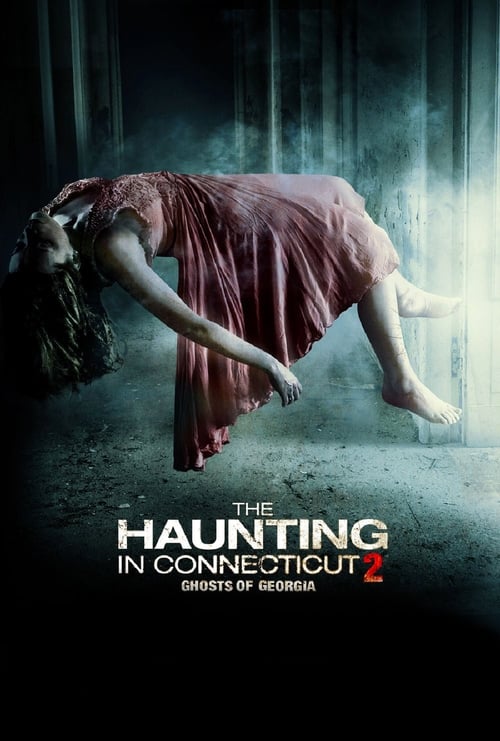
The Haunting in Connecticut 2: Ghosts of Georgia
A young family moves into a historic home in Georgia, only to learn they are not the house's only inhabitants. Soon they find themselves in the presence of a secret rising from underground and threatening to bring down anyone in its path.
The film struggled financially against its modest budget of $8.0M, earning $5.1M globally (-36% loss). While initial box office returns were modest, the film has gained appreciation for its distinctive approach within the horror genre.


Plot Structure
Story beats plotted across runtime


Narrative Arc
Emotional journey through the story's key moments
Story Circle
Blueprint 15-beat structure
Arcplot Score Breakdown
Weighted: Precision (70%) + Arc (15%) + Theme (15%)
The Haunting in Connecticut 2: Ghosts of Georgia (2013) showcases deliberately positioned story structure, characteristic of Tom Elkins's storytelling approach. This structural analysis examines how the film's 15-point plot structure maps to proven narrative frameworks across 1 hour and 41 minutes. With an Arcplot score of 7.0, the film balances conventional beats with creative variation.
Structural Analysis
The Status Quo at 1 minutes (1% through the runtime) establishes The Wyrick family - Lisa, Andy, and young daughter Heidi - arrives at their new rural Georgia home, excited for a fresh start. Lisa takes medication to suppress her psychic abilities, keeping her family's supernatural heritage hidden.. Significantly, this early placement immediately immerses viewers in the story world.
The inciting incident occurs at 12 minutes when Heidi reveals to her parents that she has been seeing and talking to a ghost named Mr. Gordy who lives on the property. Lisa realizes with horror that her daughter has inherited "the sight" - the very gift she has been trying to escape.. At 12% through the film, this Disruption aligns precisely with traditional story structure. This beat shifts the emotional landscape, launching the protagonist into the central conflict.
The First Threshold at 25 minutes marks the transition into Act II, occurring at 25% of the runtime. This reveals the protagonist's commitment to After witnessing undeniable supernatural activity and seeing her daughter in potential danger, Lisa makes the choice to investigate the property's history rather than flee or deny what's happening. She commits to understanding the haunting to protect Heidi., moving from reaction to action.
At 51 minutes, the Midpoint arrives at 50% of the runtime—precisely centered, creating perfect narrative symmetry. Notably, this crucial beat The family discovers a hidden underground chamber containing the remains of murdered slaves. The malevolent spirit of the station master fully manifests, revealing himself as the true threat. What seemed like a manageable haunting becomes a fight against genuine evil., fundamentally raising what's at risk. The emotional intensity shifts, dividing the narrative into clear before-and-after phases.
The Collapse moment at 76 minutes (75% through) represents the emotional nadir. Here, The malevolent spirit abducts Heidi, pulling her into the supernatural realm. Joyce is severely attacked trying to save her niece. Lisa faces her worst nightmare - her daughter lost to the very forces she spent her life trying to deny and escape., shows the protagonist at their lowest point. This beat's placement in the final quarter sets up the climactic reversal.
The Second Threshold at 81 minutes initiates the final act resolution at 80% of the runtime. Lisa stops taking her medication and fully embraces her psychic abilities for the first time. She opens herself to the spirit world completely, allowing Mr. Gordy and the murdered slaves' spirits to guide her to Heidi. She finally accepts who she truly is., demonstrating the transformation achieved throughout the journey.
Emotional Journey
The Haunting in Connecticut 2: Ghosts of Georgia's emotional architecture traces a deliberate progression across 15 carefully calibrated beats.
Narrative Framework
This structural analysis employs structural analysis methodology used to understand storytelling architecture. By mapping The Haunting in Connecticut 2: Ghosts of Georgia against these established plot points, we can identify how Tom Elkins utilizes or subverts traditional narrative conventions. The plot point approach reveals not only adherence to structural principles but also creative choices that distinguish The Haunting in Connecticut 2: Ghosts of Georgia within the horror genre.
Comparative Analysis
Additional horror films include Thinner, A Nightmare on Elm Street and Mary Reilly.
Plot Points by Act
Act I
SetupStatus Quo
The Wyrick family - Lisa, Andy, and young daughter Heidi - arrives at their new rural Georgia home, excited for a fresh start. Lisa takes medication to suppress her psychic abilities, keeping her family's supernatural heritage hidden.
Theme
Joyce, Lisa's sister who also possesses "the sight," tells Lisa that suppressing her gift with pills won't make it go away - "You can't run from who you are." This establishes the theme of accepting one's true nature rather than hiding from it.
Worldbuilding
The family settles into their new home. Heidi explores the property and encounters a friendly apparition she calls "Mr. Gordy." Lisa's dependence on medication and denial of her abilities is established, as is the close bond between Heidi and her aunt Joyce.
Disruption
Heidi reveals to her parents that she has been seeing and talking to a ghost named Mr. Gordy who lives on the property. Lisa realizes with horror that her daughter has inherited "the sight" - the very gift she has been trying to escape.
Resistance
Lisa struggles with whether to acknowledge Heidi's abilities or suppress them as she does her own. Joyce serves as a guide, encouraging Lisa to accept the family gift. Strange occurrences escalate around the property, and the family discovers old artifacts hinting at the land's dark history.
Act II
ConfrontationFirst Threshold
After witnessing undeniable supernatural activity and seeing her daughter in potential danger, Lisa makes the choice to investigate the property's history rather than flee or deny what's happening. She commits to understanding the haunting to protect Heidi.
Mirror World
Heidi's innocent relationship with Mr. Gordy - a benevolent spirit - mirrors Lisa's fearful rejection of her own gift. Through her daughter's eyes, Lisa begins to see that supernatural connection isn't inherently evil, offering hope for reconciliation with her abilities.
Premise
The family uncovers the property's history as an Underground Railroad station. They learn about the station master who betrayed and murdered escaped slaves. Paranormal encounters intensify as both benevolent and malevolent spirits make their presence known.
Midpoint
The family discovers a hidden underground chamber containing the remains of murdered slaves. The malevolent spirit of the station master fully manifests, revealing himself as the true threat. What seemed like a manageable haunting becomes a fight against genuine evil.
Opposition
The station master's spirit grows more powerful and aggressive, targeting Heidi specifically. Lisa's medication fails to block increasingly violent visions. The family attempts various methods to combat the entity, but each attempt makes things worse. Andy is injured during an attack.
Collapse
The malevolent spirit abducts Heidi, pulling her into the supernatural realm. Joyce is severely attacked trying to save her niece. Lisa faces her worst nightmare - her daughter lost to the very forces she spent her life trying to deny and escape.
Crisis
Lisa confronts her lifetime of denial and fear. With Joyce injured and Heidi taken, she realizes that suppressing her gift has left her powerless when her family needed protection most. She must choose between her fear and her daughter's life.
Act III
ResolutionSecond Threshold
Lisa stops taking her medication and fully embraces her psychic abilities for the first time. She opens herself to the spirit world completely, allowing Mr. Gordy and the murdered slaves' spirits to guide her to Heidi. She finally accepts who she truly is.
Synthesis
Using her fully awakened abilities, Lisa enters the spiritual realm to rescue Heidi. The benevolent spirits of the murdered slaves, finally acknowledged and empowered, help the family confront the station master. Together they defeat the malevolent entity, freeing both the living and the dead.
Transformation
The Wyrick family remains in their home, now at peace. Lisa no longer takes medication, openly sharing her gift with Heidi rather than teaching her to fear it. Mother and daughter see Mr. Gordy together, their abilities now a source of connection rather than shame.