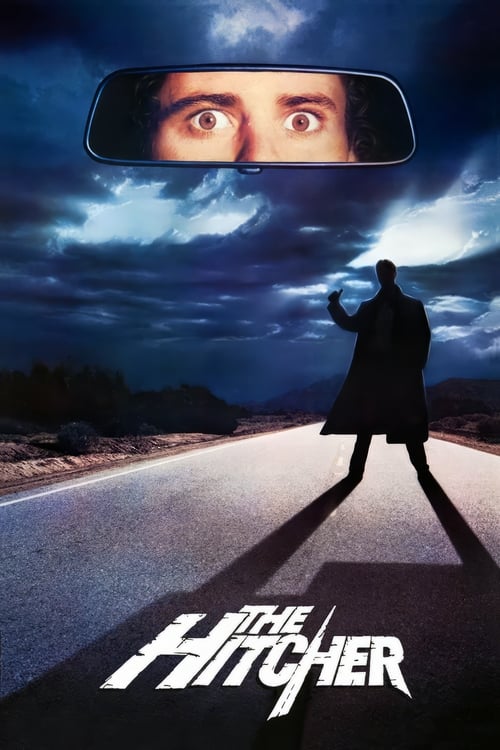
The Hitcher
On a stormy night, young Jim, who transports a luxury car from Chicago to California to deliver it to its owner, feeling tired and sleepy, picks up a mysterious hitchhiker, who has appeared out of nowhere, thinking that a good conversation will help him not to fall asleep. He will have enough time to deeply regret such an unmeditated decision.
The film underperformed commercially against its tight budget of $6.0M, earning $5.8M globally (-3% loss).
3 wins & 1 nomination


Plot Structure
Story beats plotted across runtime


Narrative Arc
Emotional journey through the story's key moments
Story Circle
Blueprint 15-beat structure
Arcplot Score Breakdown
Weighted: Precision (70%) + Arc (15%) + Theme (15%)
The Hitcher (1986) showcases meticulously timed narrative design, characteristic of Robert Harmon's storytelling approach. This structural analysis examines how the film's 15-point plot structure maps to proven narrative frameworks across 1 hour and 38 minutes. With an Arcplot score of 7.6, the film showcases strong structural fundamentals.
Structural Analysis
The Status Quo at 1 minutes (1% through the runtime) establishes Jim Halsey drives alone through the desert night, fighting exhaustion. He's just a young man delivering a car cross-country—isolated, vulnerable, and struggling to stay awake on an empty highway.. Structural examination shows that this early placement immediately immerses viewers in the story world.
The inciting incident occurs at 12 minutes when John Ryder reveals his murderous intent: "I'm gonna cut off your legs and arms and your head." Jim kicks Ryder out of the moving car. The innocent road trip becomes a fight for survival.. At 12% through the film, this Disruption aligns precisely with traditional story structure. This beat shifts the emotional landscape, launching the protagonist into the central conflict.
The First Threshold at 24 minutes marks the transition into Act II, occurring at 25% of the runtime. This demonstrates the protagonist's commitment to Jim is arrested by police who believe HE committed the murders Ryder has orchestrated. He makes the choice to escape police custody and actively pursue clearing his name, entering a nightmare world where he's hunted by both Ryder and the law., moving from reaction to action.
At 48 minutes, the Midpoint arrives at 49% of the runtime—precisely centered, creating perfect narrative symmetry. Significantly, this crucial beat Jim shoots and appears to kill Ryder during a confrontation. False victory—he thinks the nightmare is over. The stakes raise when Ryder's "death" proves to be another manipulation, and Jim realizes he can't win by conventional means., fundamentally raising what's at risk. The emotional intensity shifts, dividing the narrative into clear before-and-after phases.
The Collapse moment at 72 minutes (73% through) represents the emotional nadir. Here, Nash is tied between two trucks. Ryder forces Jim to watch as she's torn apart when the trucks separate. The "whiff of death"—the only person who believed in Jim is brutally murdered, and he's helpless to prevent it. All hope dies., demonstrates the protagonist at their lowest point. This beat's placement in the final quarter sets up the climactic reversal.
The Second Threshold at 79 minutes initiates the final act resolution at 81% of the runtime. Ryder orchestrates Jim's escape and leaves him a gun. Jim realizes Ryder wants him to become a killer—the final test. Jim accepts that he must confront Ryder directly and embrace violence to end the nightmare. He crosses into Ryder's world completely., demonstrating the transformation achieved throughout the journey.
Emotional Journey
The Hitcher's emotional architecture traces a deliberate progression across 15 carefully calibrated beats.
Narrative Framework
This structural analysis employs a 15-point narrative structure framework that maps key story moments. By mapping The Hitcher against these established plot points, we can identify how Robert Harmon utilizes or subverts traditional narrative conventions. The plot point approach reveals not only adherence to structural principles but also creative choices that distinguish The Hitcher within the horror genre.
Robert Harmon's Structural Approach
Among the 3 Robert Harmon films analyzed on Arcplot, the average structural score is 7.4, reflecting strong command of classical structure. The Hitcher represents one of the director's most structurally precise works. For comparative analysis, explore the complete Robert Harmon filmography.
Comparative Analysis
Additional horror films include Thinner, A Nightmare on Elm Street and Mary Reilly. For more Robert Harmon analyses, see Nowhere to Run, They.
Plot Points by Act
Act I
SetupStatus Quo
Jim Halsey drives alone through the desert night, fighting exhaustion. He's just a young man delivering a car cross-country—isolated, vulnerable, and struggling to stay awake on an empty highway.
Theme
John Ryder in the car: "My mother told me never to do this." The theme of dangerous choices, trust, and the moment innocent decisions lead to irreversible consequences is established through the hitchhiker's ominous statement.
Worldbuilding
Establishment of Jim's isolation and naivety. He picks up the mysterious John Ryder to stay awake. Early tension builds as Ryder reveals disturbing details and implies he murdered the previous driver who picked him up.
Disruption
John Ryder reveals his murderous intent: "I'm gonna cut off your legs and arms and your head." Jim kicks Ryder out of the moving car. The innocent road trip becomes a fight for survival.
Resistance
Jim debates whether he's safe, tries to convince himself it's over. He encounters a family in a station wagon (who Ryder has already killed). Jim discovers Ryder's pattern of violence and realizes escape won't be easy. Police become involved but don't believe Jim's story.
Act II
ConfrontationFirst Threshold
Jim is arrested by police who believe HE committed the murders Ryder has orchestrated. He makes the choice to escape police custody and actively pursue clearing his name, entering a nightmare world where he's hunted by both Ryder and the law.
Mirror World
Jim meets Nash at the roadside diner. She represents normalcy, humanity, and belief in his innocence. This relationship subplot carries the theme of trust—she chooses to believe him when no one else will.
Premise
The cat-and-mouse game intensifies. Jim navigates being hunted by both Ryder and police. Ryder stages murders to frame Jim. The premise delivers on its promise: a relentless psychological thriller where the protagonist can't escape or prove his innocence.
Midpoint
Jim shoots and appears to kill Ryder during a confrontation. False victory—he thinks the nightmare is over. The stakes raise when Ryder's "death" proves to be another manipulation, and Jim realizes he can't win by conventional means.
Opposition
Ryder escalates his terror campaign. He systematically destroys any chance Jim has of escape or redemption. Nash is captured. Police close in on Jim with lethal intent. The net tightens from all sides as Ryder demonstrates complete control.
Collapse
Nash is tied between two trucks. Ryder forces Jim to watch as she's torn apart when the trucks separate. The "whiff of death"—the only person who believed in Jim is brutally murdered, and he's helpless to prevent it. All hope dies.
Crisis
Jim is captured by police in shock and grief. He processes the loss of Nash and confronts the darkness within himself. The question shifts from "Can I survive?" to "What am I willing to become to end this?"
Act III
ResolutionSecond Threshold
Ryder orchestrates Jim's escape and leaves him a gun. Jim realizes Ryder wants him to become a killer—the final test. Jim accepts that he must confront Ryder directly and embrace violence to end the nightmare. He crosses into Ryder's world completely.
Synthesis
Jim tracks Ryder to a final confrontation. He uses everything he's learned—Ryder's patterns, his own survival instincts, and his transformation into someone capable of violence. The finale synthesizes Jim's lost innocence with his newfound lethal capability.
Transformation
Jim stands alone by the roadside, having killed Ryder. Where once an innocent young man fought sleep on an empty highway, now a traumatized survivor stares into nothing—transformed by violence, hollowed by loss. The final image mirrors the opening but shows complete corruption of innocence.